West Asia on the Brink: Iran-Israel Tensions Surge as Lebanon Conflict Deepens
Iran-Israel tensions escalate over Lebanon | Timeline
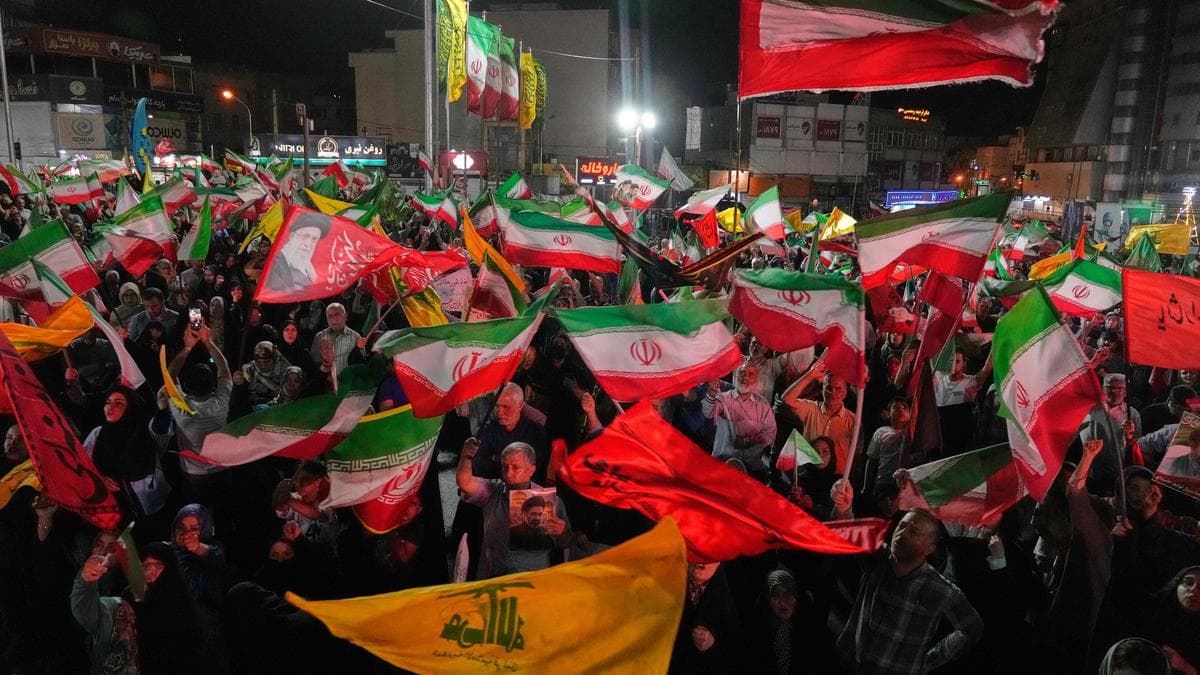
The fragile ceasefire from April has effectively collapsed, with Iran launching missiles at Israel following intense Israeli ground operations and airstrikes across Lebanon.
The smoke rising from Beirut’s southern suburbs this Sunday marks a grim turning point in the regional order. For two months, the world had pinned its hopes on the April 7 ceasefire, an agreement that sought to contain the war that erupted between Iran and Israel on February 28. But as of June 7, that hope has vanished. Iran’s direct missile bombardment of Israel—the first in months—signals that the shadow war being fought on Lebanese soil has spilled over, effectively shredding the diplomatic safety net that kept the two powers from direct confrontation.
A Timeline of Escalation
The conflict has been a relentless cycle of strikes and counter-strikes. After the February 28 initiation of hostilities, Hezbollah entered the fray on March 2, drawing Israel into a two-front pressure cooker. While Washington and Tehran attempted to find a way out, the situation on the ground remained volatile. The April 8 bombardment of Beirut, which claimed over 300 lives in just ten minutes, set a violent precedent that neither side could escape. Even as direct diplomatic talks flickered to life in Washington on April 14, they were quickly overshadowed by military reality.
By late May, the intensity shifted. Israel’s ground invasion, its deepest incursion into Lebanese territory in a quarter-century, signaled that the conflict was no longer just about border skirmishes. Despite Prime Minister Benjamin Netanyahu’s warnings and U.S.-led efforts to broker a renewed truce earlier this June, the ground reality held firm. Hezbollah’s rejection of security zones on June 4, followed by the deaths of three Lebanese military personnel in Israeli strikes on June 6, pushed the region to the breaking point.
Why it matters
The collapse of the latest ceasefire is not merely a military failure; it is an economic and geopolitical alarm bell. For global markets, the instability in West Asia threatens the critical energy corridors and shipping lanes that underpin the world economy. The fact that Iran has now resumed direct missile strikes against Israel suggests that the "proxy" nature of the conflict is eroding. We are witnessing a shift where the regional powers are increasingly willing to risk total war over the fate of Lebanon, regardless of the diplomatic costs being paid in Washington or elsewhere.
The pattern here is clear: both sides are locked in a "wait-and-see" game of brinkmanship. Israel views its northern security as an existential requirement, citing Hezbollah’s rocket fire as the driver for its ground operations. Conversely, Tehran and its allies view these same operations as a violation of sovereignty and a breach of the April truce. Until there is a consensus on the status of Hezbollah within the proposed security zones, the escalation is likely to continue in a volatile loop, leaving little room for a sustained peace.
Business Desk at PoliticalPedia covers economy & markets for an Indian audience in English and Hindi.