Israel strikes military targets in Iran after missile barrage pushes region to the brink
Israel says it has struck Iran after taking fire
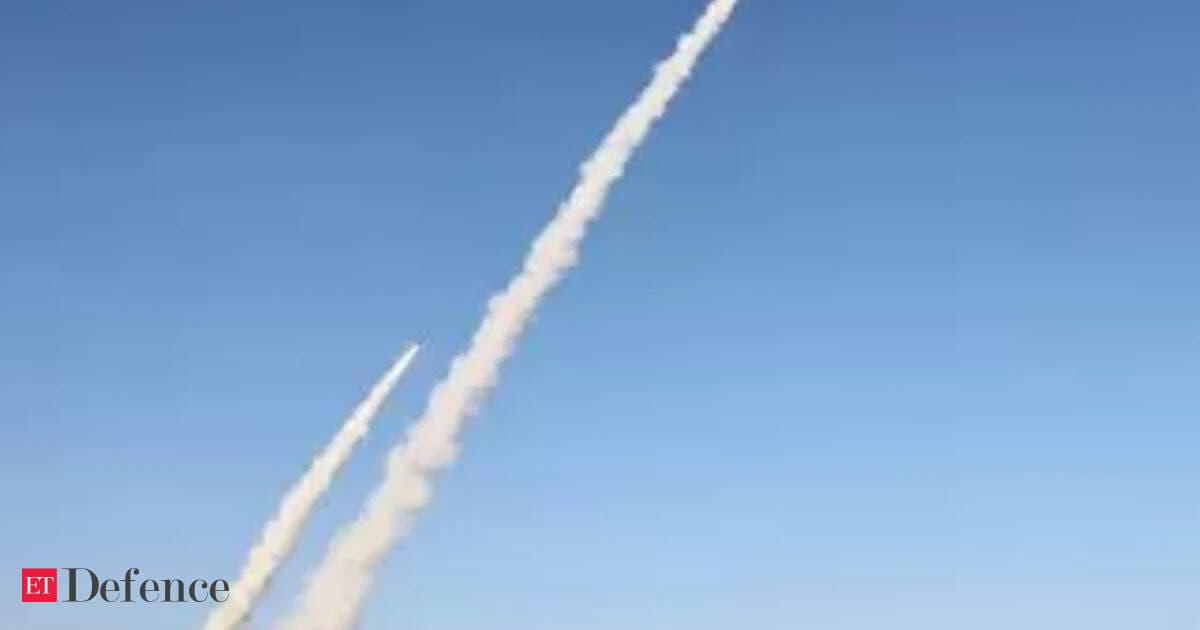
Tensions in the Middle East have spiralled into a direct conflict as Israeli forces launch retaliatory strikes against military sites across Iran.
The early hours of Monday morning brought a sharp escalation to the Middle East’s volatile security landscape. Explosions rocked Tehran, Isfahan, Karaj, and Tabriz as Israel confirmed it had struck military targets within Iran. The operation was launched in direct response to a missile fire originating from Tehran, marking a dangerous departure from the shadow war the two nations have engaged in for years.
The Israeli military issued a brief, stark statement at dawn, confirming the Air Force had targeted locations linked to what it termed the "Iranian terror regime." While Iranian state media acknowledged the explosions, details regarding the scale of damage or casualties remain tightly under wraps. Following the attack, authorities moved to close the airspace around Tehran’s Imam Khomeini International Airport, grounding operations at the country's primary aviation hub.
A fragile peace shattered
This exchange of fire follows days of intense, stalled negotiations regarding a ceasefire, complicated significantly by Israel’s ongoing campaign against Hezbollah in Lebanon. Having expanded its ground operations into southern Lebanon—territory it hasn't occupied in a quarter-century—Israel’s military posture has become increasingly aggressive. The situation reached a breaking point after Sunday’s Israeli airstrikes on Beirut’s southern suburbs, which prompted the retaliatory Iranian missile barrage that preceded Monday's strikes.
Behind the scenes, diplomatic efforts to temper the response appear to have faltered. Reports indicate that U.S. officials, including Donald Trump, had been in contact with Israeli leadership to urge restraint. Sources suggest Trump believed he had successfully convinced Prime Minister Benjamin Netanyahu to hold off on an immediate retaliation, yet the events of Monday morning indicate that the pressure to act militarily ultimately outweighed these diplomatic entreaties.
The bigger picture
For global markets and regional stability, this development is a worrying inflection point. The movement from proxy skirmishes to direct, state-on-state fire risks dragging the entire region into a full-scale war. As Israel says it has struck Iran after taking fire, the primary concern for the global economy remains the potential disruption to energy supplies and trade routes. When major regional players trade ballistic strikes, the immediate fallout is almost always felt in market volatility and a spike in risk premiums.
The lack of clarity from both Tehran and Jerusalem regarding the exact nature of the damage suggests a period of high-stakes "wait and see." If Iran chooses to escalate further, the path toward a wider regional conflagration becomes all but certain. If, however, this remains a contained exchange, it may represent a calculated—if dangerous—attempt by both sides to project strength without triggering an uncontrollable collapse into total war.
Business Desk at PoliticalPedia covers economy & markets for an Indian audience in English and Hindi.