Israel strikes back: Regional war fears mount after Tehran comes under fire
Israel says it has struck Iran after taking fire
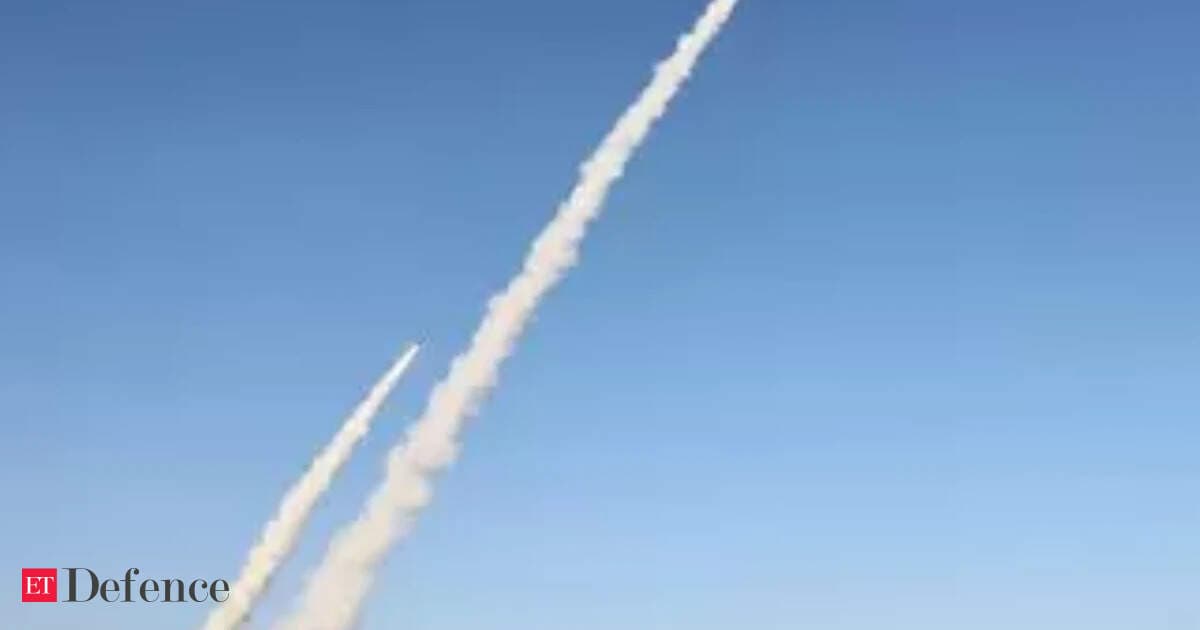
As explosions rattle major Iranian cities, the volatile Middle East teeters on the edge of a wider conflict following a fresh exchange of missile fire.
The dawn sky over Tehran was shattered by the sound of blasts on Monday as Israel confirmed it had struck military targets across Iran. The operation, described by the Israeli military as a direct response to missile fire from the Islamic Republic, marks a dangerous escalation in a region already straining under the weight of the war in Lebanon. Iranian state media confirmed explosions echoed across Isfahan, Karaj, Tabriz, and the capital, Tehran, while the country’s Revolutionary Guard claimed air-launched ballistic missiles were utilised in the assault.
The intensity of the situation was felt immediately on the ground. Authorities moved to close the airspace around Imam Khomeini International Airport, effectively severing Iran’s primary aerial gateway. While Iranian officials have remained tight-lipped regarding the specific nature of the damage or the identity of the sites hit, the silence from Tehran underscores the gravity of this latest direct confrontation.
This retaliatory strike arrives after days of mounting tension. Israel, which has pushed deep into southern Lebanon in a campaign not seen in a quarter-century, had been embroiled in fierce fighting with the Hezbollah militia. The tit-for-tat dynamic hit a breaking point following Sunday’s Israeli airstrikes in Beirut, which prompted the missile bombardment from Tehran that ultimately triggered Monday’s Israeli response.
Behind the scenes of a stalled peace
Diplomatic channels appear to be struggling to keep pace with the battlefield. Reports suggest that behind the scenes, attempts to salvage a fragile ceasefire have been largely stalled. A senior U.S. official, speaking on condition of anonymity, revealed that President Donald had personally urged Prime Minister Benjamin Netanyahu to exercise restraint, allegedly securing a promise to hold off on immediate retaliation. That promise, however, appears to have evaporated as the strategic calculus shifted in the face of Iranian missile fire.
The bigger picture: A volatile market and geopolitical shift
For the global economy and regional stability, this is a moment of extreme precariousness. Energy markets and trade routes often react violently to such direct confrontations between major powers in the Middle East. When Israel says it has struck Iran after taking fire, the message is not just military—it is a signal that the "shadow war" of the past is being replaced by an overt, high-stakes conflict.
Investors and policymakers alike are watching closely, fearing that if the cycle of "taking fire" and "striking back" continues, the spillover will be impossible to contain. The fact that Israel is now engaged on multiple fronts—from the suburbs of Beirut to deep-strike operations inside Iran—suggests that the regional status quo has been fundamentally upended. We are no longer looking at proxy skirmishes; we are looking at a direct, systemic clash that threatens to reorder the geopolitical map of the Middle East.
Business Desk at PoliticalPedia covers economy & markets for an Indian audience in English and Hindi.