Xi Jinping’s Pyongyang Pivot: Reasserting China’s Grip on North Korea
Chinese President Xi heads to North Korea for closely-watched talks with Kim
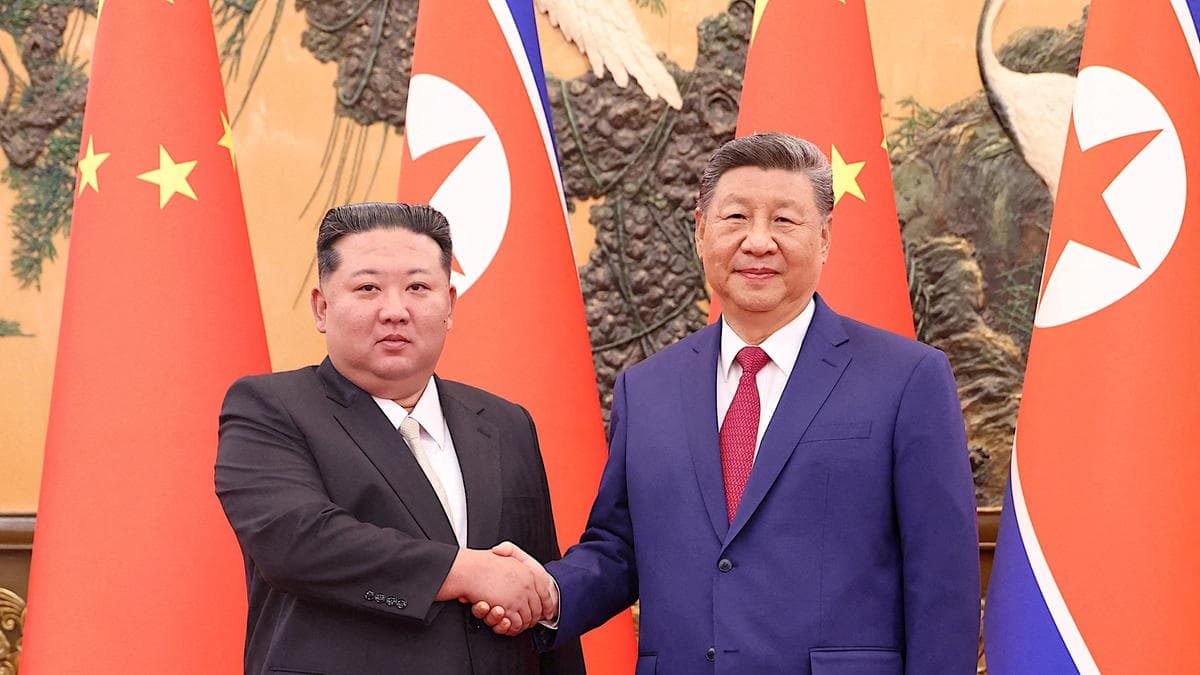
As the Chinese President prepares for a rare visit to North Korea, the summit with Kim Jong Un signals a strategic push to reclaim influence in a shifting geopolitical landscape.
The air in Pyongyang is set to thicken with diplomatic intrigue as Chinese President Xi Jinping touches down on Monday for a two-day visit—his first in seven years. The trip is a calculated move to recalibrate the Beijing-Pyongyang axis. While the official agenda remains shrouded in secrecy, the timing is anything but accidental. Xi’s arrival comes on the heels of high-stakes summits in Beijing, where he sat alongside Vladimir Putin, setting the stage for a broader push to reassert China’s traditional influence over its volatile neighbor.
For years, the China-North Korea relationship has operated under a cloud of uncertainty. While China remains the North’s economic lifeline—often quietly ignoring UN sanctions to keep the regime afloat—the dynamic has frayed recently. Kim Jong Un has pivoted sharply toward Moscow, trading ammunition and troops for Russian military and economic support to bolster his war efforts in Ukraine. This tilt toward the Kremlin has not gone unnoticed in Beijing, and Xi’s visit is widely viewed as an attempt to remind Pyongyang who its primary patron truly is.
A Chessboard of Strategic Competition
The stakes extend far beyond the Korean Peninsula. By tightening his grip on the North, Xi is essentially sharpening his tools for upcoming negotiations with the U.S. Experts believe this visit is a public display of China’s leadership role in Northeast Asia. With a planned meeting with Donald Trump on the horizon this September, Xi needs to demonstrate that he, not Washington, holds the keys to stability in Pyongyang. If Xi can successfully manage the unpredictable Kim, he gains significant leverage in his broader, often combative, dealings with the American administration.
The visit arrives as both nations mark the 65th anniversary of their mutual defense treaty. However, the optics of the trip suggest that this is less about nostalgia and more about modern power projection. Leif-Eric Easley, a professor at Ewha University in Seoul, notes that a leader like Xi doesn’t just make a trip like this for the sake of ceremony. The visit is intended to have real, long-term implications for the regional security architecture, particularly as both Beijing and Pyongyang find themselves in separate, deepening confrontations with the West.
Why it matters
The bigger picture here is one of containment and consolidation. For India, the deepening alliance between China, Russia, and North Korea creates a complicated security environment in the Indo-Pacific. If Beijing successfully steers Pyongyang back into its exclusive sphere of influence, it signals a more cohesive bloc of authoritarian powers willing to bypass international norms. For the international community, the hope for denuclearization or a restart of diplomacy with Kim seems to be slipping further away as these regimes close ranks. Xi isn't just visiting an ally; he is drawing a line in the sand, positioning himself as the essential gatekeeper in a region where the U.S. is increasingly struggling to maintain its sway.
National Affairs Desk at PoliticalPedia covers government & policy for an Indian audience in English and Hindi.