Two Years Into Tenure, CPI(M) Launches Sharp Critique of Andhra Pradesh Coalition Government
CPM criticises Andhra Pradesh Coalition Government on completion of two years
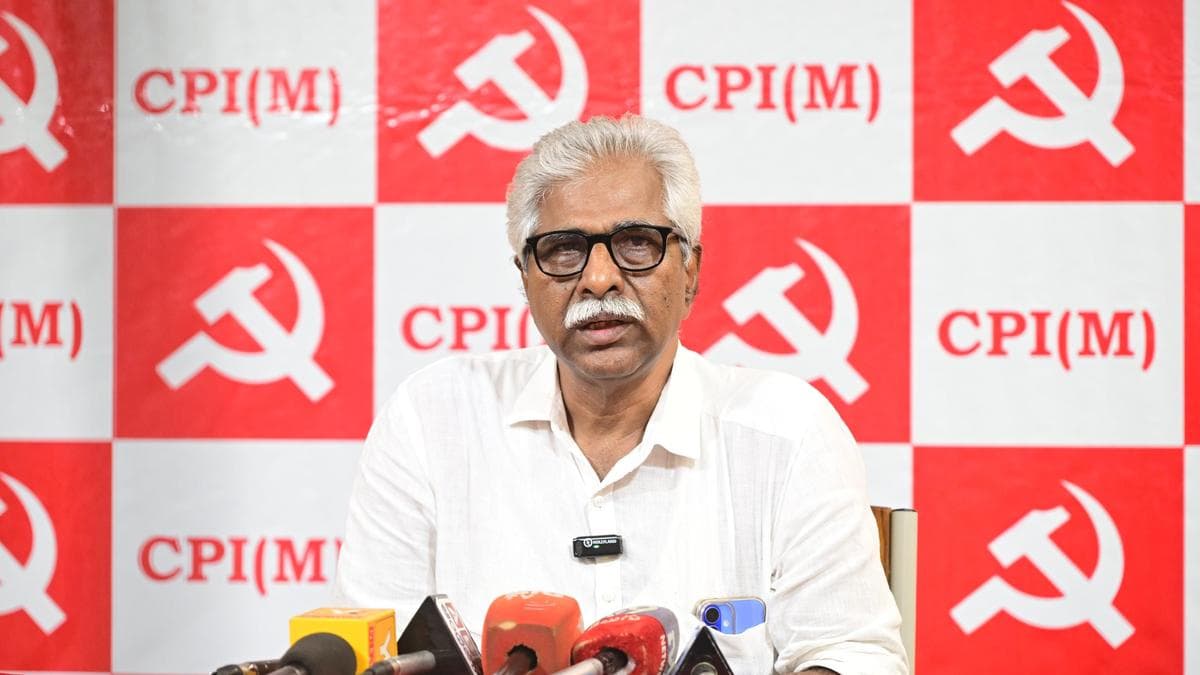
The Communist Party of India (Marxist) has accused the NDA alliance of failing to implement its flagship "Super Six" promises, alleging a systematic neglect of public welfare and an increasing economic burden on the state's residents.
As the Andhra Pradesh coalition government marks its two-year milestone this June, the CPI(M) has intensified its opposition, painting a picture of a state administration that has veered away from its electoral pledges. During a press conference in Vijayawada, CPI(M) State secretary V. Srinivasa Rao and other party leaders argued that the "Super Six" programme—which served as the bedrock of the coalition's 2024 campaign—has largely failed to translate into ground-level relief. The party contends that critical welfare commitments, including monthly financial aid for women, unemployment allowances for youth, and specific pension schemes for marginalized communities, remain either stalled or only partially realized.
Economic Distress and Taxation Concerns
Beyond the unfulfilled "Super Six" assurances, the CPI(M) has sounded an alarm over the state's fiscal direction. Party leaders, including Ch. Babu Rao, have sharply criticized the government for imposing an additional ₹400 crore property tax burden on urban households. They argue that the state has continued the capital value-based taxation system introduced in 2020, despite earlier promises to review or repeal it. Data cited by the party suggests that property taxes in some urban centers have surged by as much as 130% since 2021. This fiscal pressure, combined with rising water charges and sanitation fees, has become a rallying point for the opposition, who claim the government is prioritizing revenue extraction over the welfare of residents.
Land Policy and Capital Development
The administration also faces scrutiny over its handling of the Amaravati capital region and land allocation policies. The CPI(M) has alleged that while the government claims to prioritize development, it has neglected the housing needs of the poor, specifically citing the cancellation of house site allotments in the R-5 zone. The party maintains that land previously allocated to underprivileged families is being diverted to corporate entities at concessional rates, while government-run projects are reportedly charged significantly higher premiums. These allegations of land mismanagement have sparked plans for widespread protests across Guntur and surrounding districts, as local resident groups join the CPI(M) in demanding a transparent policy for land distribution and housing.
Infrastructure and Governance Hurdles
The government’s track record on major infrastructure projects, including the Polavaram irrigation scheme and urban development, remains a point of contention. While government ministers continue to project progress, critics argue that the pace of work is insufficient to meet set deadlines. Furthermore, the absence of heads in several key regulatory bodies, such as the Andhra Pradesh Human Rights Commission (APHRC), has led to concerns regarding administrative accountability. The CPI(M) has also accused the state of misusing funds allocated for cleanliness initiatives like "Swachh Andhra," arguing that urban conditions have failed to improve despite heavy expenditure.
As the government enters its third year, the mounting tension between the coalition and opposition parties signals a shift toward more volatile political discourse. With the CPI(M) calling for a unified action plan to address rising social inequality, the administration is under increasing pressure to reconcile its development-heavy agenda with the immediate, unfulfilled welfare demands of the public. Whether these critiques will force a change in policy or further entrench the current administrative approach remains to be seen in the upcoming municipal and local-level engagements.
The PoliticalPedia Editorial Desk brings verified, sourced political news and analysis from across India.