From Alliance Stability to Political Isolation: Stalin’s Seven-Point Critique of the New Order
TVK’s Rise, Vijay’s Govt To Congress Betrayal: Stalin’s One Big Worry In 7 Statements
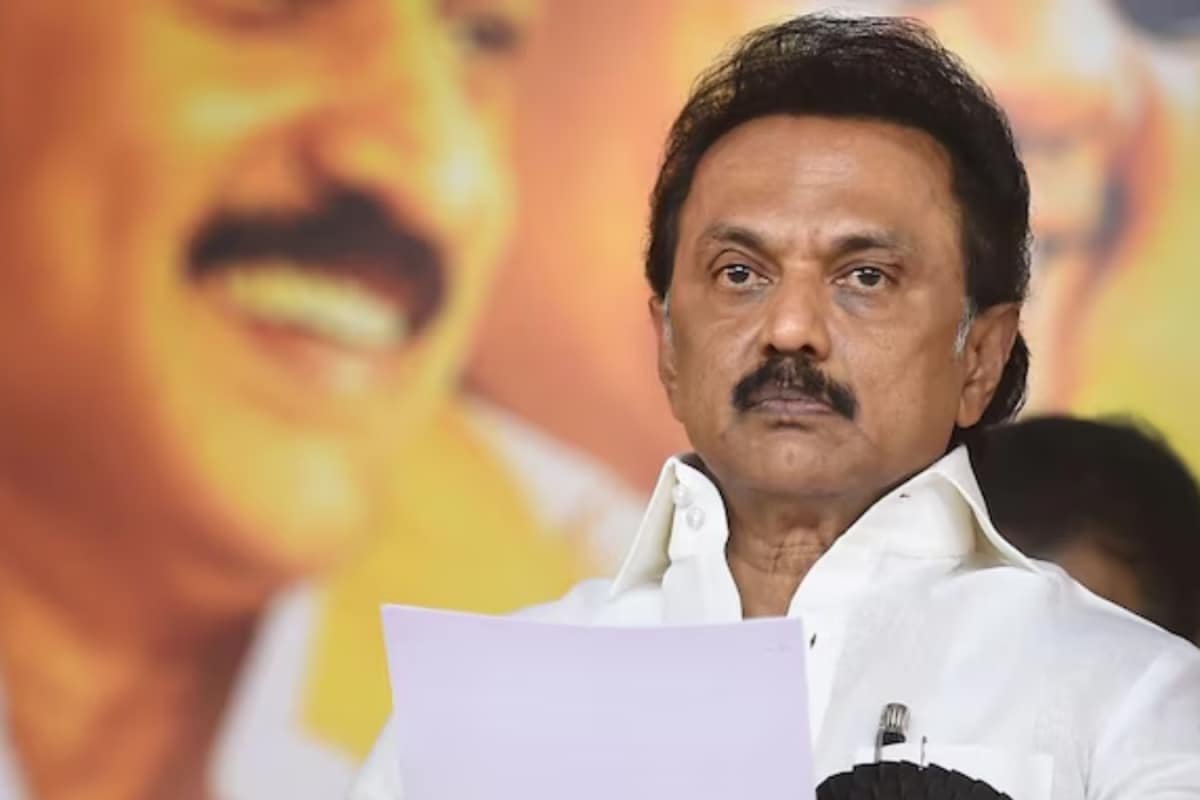
As the DMK finds itself sidelined, MK Stalin’s public rhetoric signals a sharp pivot from initial restraint to an aggressive confrontation with the new political landscape.
The political landscape in Tamil Nadu has undergone a seismic shift following the 2026 Assembly elections. With the rise of the TVK as the single-largest party, the state has entered an era of coalition governance that has left the Dravida Munnetra Kazhagam (DMK) uncharacteristically isolated. While MK Stalin initially committed to a "six-month non-interference" policy to allow the new administration to find its footing, the honeymoon period has effectively ended. The DMK chief has now moved to openly challenge the legitimacy of the current government, framing the recent political realignment as a profound betrayal by his former allies.
A Fractured Partnership
The core of the tension lies in the defection of long-standing partners, specifically the Congress and various Left parties, who abandoned the DMK to facilitate the formation of a Vijay-led administration. For the DMK, this is not merely a tactical loss but a historical rupture. Party leaders, including Udhayanidhi Stalin, have been vocal in their assessment of the move, describing the departure of the Congress as a "backstabbing" of a 50-year-old partnership. Conversely, Congress representatives maintain that their decision was a pragmatic necessity, aimed at respecting the public mandate and securing a path back to state governance after a six-decade hiatus.
Stalin’s "One Big Worry"
The anxiety within the DMK camp is clearly articulated in a series of statements that underscore one big worry in the party's strategic planning: the fragility of the current power structure. While the new administration projects strength through its recent recruitment—including the absorption of four former AIADMK ministers and six former MLAs—Stalin argues that this stability is a facade. In his recent remarks to party cadres, the CM emphasized that the TVK administration lacks independent ideological or legislative weight, describing it instead as a project sustained entirely by the "life-support" of his former partners.
The Weight of Seven Statements
Stalin’s recent rhetoric has been defined by seven key observations that detail his skepticism toward the current order. He has pointedly noted that the TVK government’s survival is contingent upon the very parties that once stood under the DMK umbrella. This critique serves a dual purpose: it questions the durability of the current coalition and signals a hardening of the DMK’s stance against the new regime. By framing the government as a product of political convenience rather than electoral mandate, the DMK is attempting to undermine the narrative of a successful "Vijay-led" transition.
Looking Ahead
The fallout from these developments extends beyond state borders. The decision of the DMK to skip the upcoming "INDIA" bloc meeting in Delhi on June 8—specifically because the Congress is involved—highlights the severity of the rift. As the dust settles on the 2026 results, the state is witnessing a rare period of realignment where the traditional hegemony of the Dravidian majors is being tested by a new actor. Whether this "fragile mandate" holds under the pressure of Stalin’s vocal opposition remains the defining question for Tamil Nadu’s immediate political future.
The PoliticalPedia Editorial Desk brings verified, sourced political news and analysis from across India.