Trump tells Netanyahu to hold fire as Iran-Israel conflict reaches boiling point
Iran war news LIVE: Iran strikes Israel over Lebanon attacks, Trump asks Netanyahu to hold off
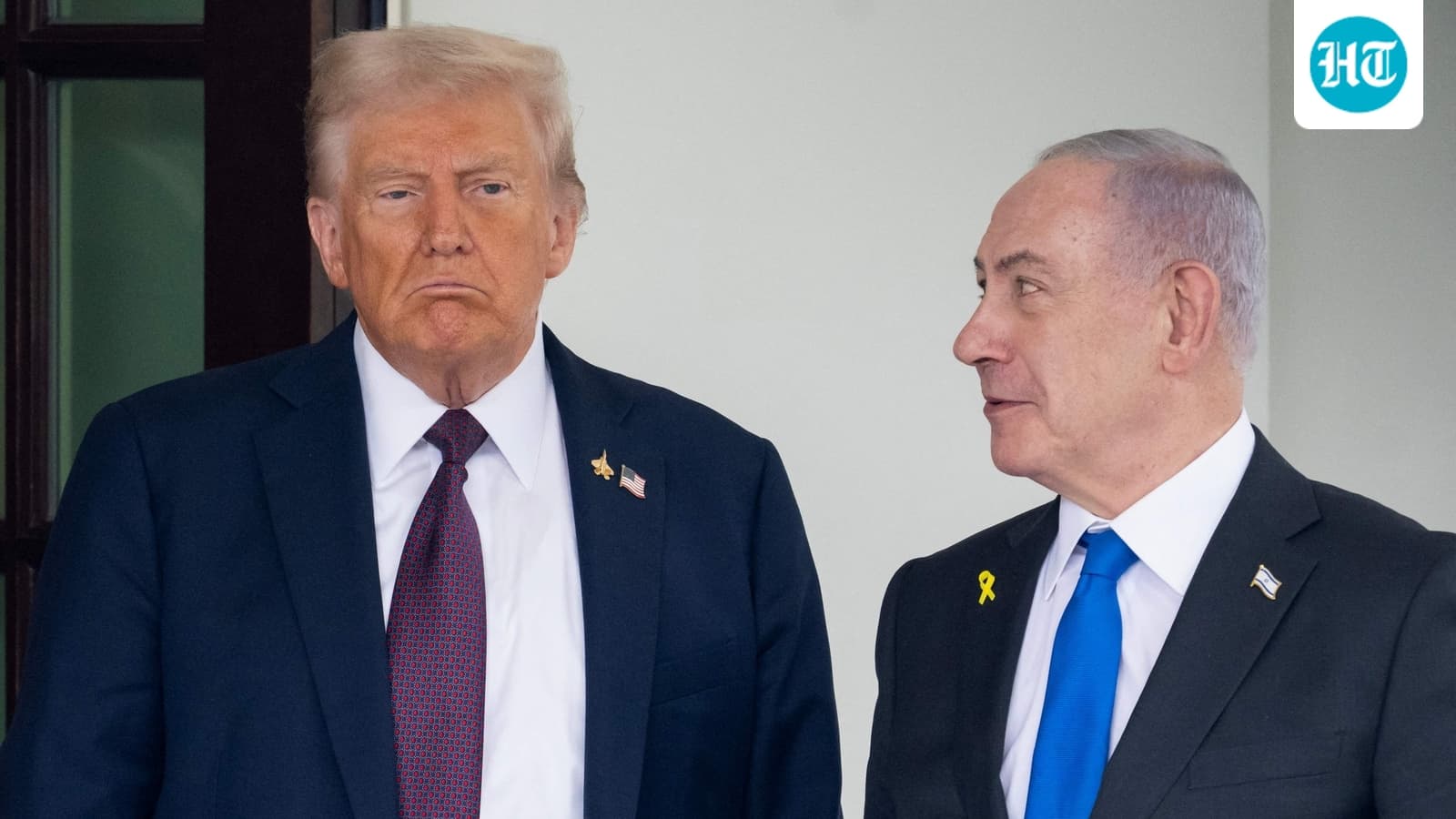
As missiles fly across the Middle East, Washington is attempting to pull back both sides from the brink of a full-scale war through high-stakes backchannel diplomacy.
The West Asia powder keg is once again showing signs of a massive explosion. Late Sunday, the regional security architecture shuddered as Iran launched a direct missile volley at Israel, breaking a fragile ceasefire that had been in place since early April. Tehran framed the offensive as a calculated retaliation for Israel’s surprise strikes on the southern suburbs of Beirut—a move that bypassed US warnings and left the diplomatic community scrambling.
The situation remains volatile, with Iran shuttering its western airspace in anticipation of a counter-strike. However, the narrative shifted rapidly from the battlefield to the telephone lines. Reports indicate that US President Donald Trump intervened directly, urging Israeli Prime Minister Benjamin Netanyahu to refrain from launching a retaliatory offensive. The message from Washington was blunt: hold off, let diplomacy play out, and keep the focus on a potential grand bargain.
The Push for a Deal
According to insiders, the White House believes it is on the verge of "doing something good" regarding a long-term US-Iran agreement. While Netanyahu reportedly resisted the initial request to de-escalate, he eventually offered a "pseudo-agreement" to hold back, buying the administration a narrow window of time. Trump has signaled confidence that, regardless of the current friction, Netanyahu will ultimately have little choice but to align with the US-negotiated path, asserting that he is "calling the shots" in the current peace efforts.
The ambiguity remains, however. While The New York Times and other outlets have highlighted the rapid back-and-forth between mediators, the reality on the ground in Lebanon and Israel is far grimmer. Hezbollah’s involvement, coupled with the IRGC’s warnings of a "broader response" should the attacks on Lebanon persist, suggests that any deal is currently built on a foundation of sand.
Why it matters
The bigger picture here is a contest between traditional military escalation and a high-risk diplomatic gamble. For India and the broader global community, this cycle of violence is not just about border skirmishes; it is about the stability of energy corridors and the containment of a regional war that would have immediate, disastrous consequences for global trade.
The current standoff reveals a significant disconnect: while the US insists it did not greenlight the initial Israeli strikes on Beirut, the inability of Washington to fully restrain its ally—or its adversary—exposes the limits of current influence. If this deal fails, the "rapid pace" of talks mentioned by the White House will likely be replaced by the harsh reality of an uncontained regional conflict, rendering the current ceasefire efforts little more than a temporary pause in a much larger, darker chapter.
National Affairs Desk at PoliticalPedia covers government & policy for an Indian audience in English and Hindi.