Three Decades Later: Madras HC Holds Sun TV Liable in Defamation Case Involving Actor Sukanya
Three decades after Veerappan’s allegation against actor, Madras HC holds Sun TV liable
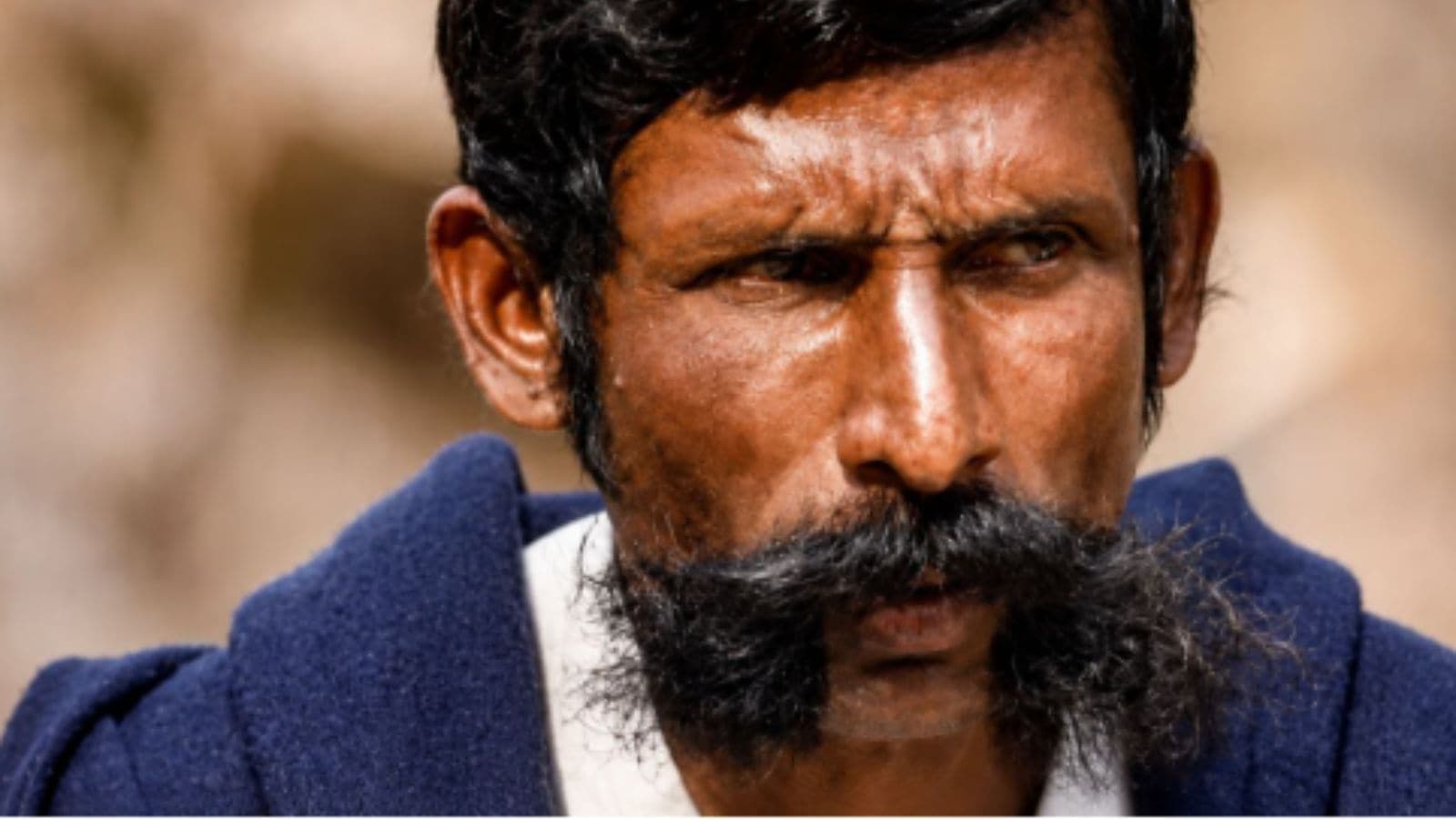
A 1996 interview with forest brigand Veerappan has finally reached a legal end, with the court ordering damages for the actor over defamatory claims.
The year was 1996, a season of high-stakes political churn in Tamil Nadu. Amidst the heat of an impending election, a broadcast aired on Sun TV that would trigger a legal battle lasting nearly three decades. The programme, 'Nerukku Ner', featured an explosive interview between journalist R. Rajagopal—widely known as Nakkheeran Gopal—and the notorious forest brigand Veerappan. For the actor Sukanya, then at the zenith of her career, those minutes of footage would lead to a long, arduous fight in the Madras HC to restore her dignity.
The Cost of a Broadcast
On June 5, Justice K. Kumaresh Babu dismissed an appeal filed by Sun TV Network Ltd., effectively putting a seal of finality on a dispute that began when the media landscape in India was vastly different. The court upheld a trial court’s earlier decree, directing the broadcaster to pay Rs 10,00,500 in damages to the actor.
The crux of the matter was an allegation Veerappan made during the interview, linking Sukanya to a political scandal involving the son of former Prime Minister P.V. Narasimha Rao. Sukanya maintained that these claims were baseless and deeply damaging. What particularly drew the court’s ire was the editorial choice: while the network had exercised caution by muting certain expletives during the broadcast, it had consciously chosen to retain the defamatory comments about the actor.
A Legal Marathon
The case’s journey through the judiciary reflects the slow grind of civil litigation in India. Initially filed in the Madras HC in 1996, the matter was later transferred to a city civil court in Chennai due to shifts in pecuniary jurisdiction. It wasn't until April 2015 that the trial court ruled in the actor’s favour, a decision that Sun TV subsequently challenged. Justice Kumaresh Babu noted in his judgment that the existence of the defamatory statement was never seriously disputed by either the interviewer or the network, leaving little room for ambiguity regarding the injury caused to the actor’s reputation.
Why it matters
This verdict serves as a stark reminder of the long-term liabilities media houses carry for the content they curate. In an era where "breaking news" often prioritized sensationalism, the decision reaffirms that the right to freedom of speech does not shield a broadcaster from the consequences of airing unverified, defamatory allegations. For the media industry, the case acts as a cautionary tale: the digital and physical footprint of a broadcast can outlive the news cycle by decades, and the responsibility to exercise editorial rigour is not a suggestion, but a legal imperative.
Business Desk at PoliticalPedia covers economy & markets for an Indian audience in English and Hindi.