'Pawan Kalyan Has Not Been Crowned A King': Prakash Raj Hits Back At Naga Babu As Ram Gopal Varma Agrees
‘Pawan Kalyan Has Not Been Crowned A King’: Prakash Raj Hits Back At Naga Babu; Ram Gopal Varma Agrees
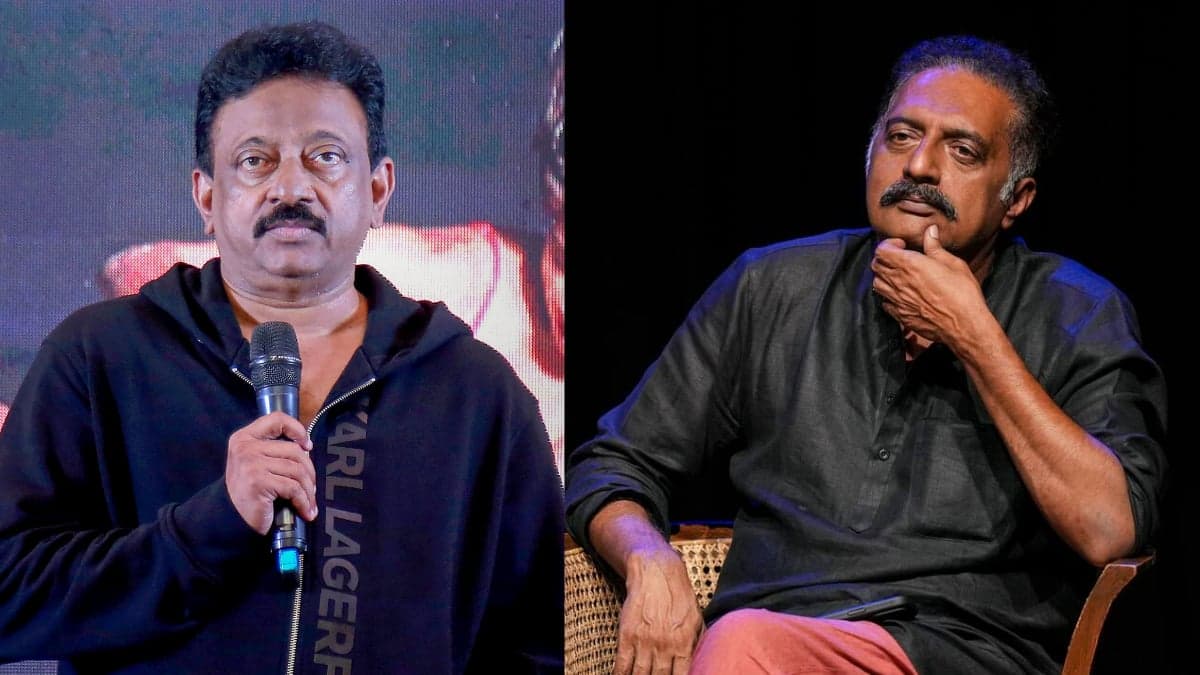
A volatile social media exchange over political obedience has reignited the debate on dissent and democratic accountability in South Indian politics.
The digital battlefield between influential voices in the Telugu film industry has erupted once again. It started with a blunt directive from Jana Sena Party MLC Naga Babu, who took to social media to urge followers to align with Andhra Pradesh Deputy Chief Minister Pawan Kalyan without hesitation. "A leader’s word is final... Shut your doubts, silence your tongue, and follow the leader without questions," Naga Babu posted on X, claiming that the leader alone possesses the vision to navigate the "devils and demons" in his path.
The response from veteran actor-director Prakash Raj was swift and stinging. Dismantling the notion of blind allegiance, Raj retorted that citizens are neither "sheep" nor "slaves." He asserted that in a functioning democracy, questioning is a fundamental right, not an act of defiance. For Raj, any leader—regardless of their stature or the intensity of their supporters' devotion—is inherently accountable to the public they serve.
A Growing Chorus of Dissent
The confrontation quickly moved beyond a two-way spat. Filmmaker Ram Gopal Varma waded into the fray, offering his support to Prakash Raj’s stance. Varma famously remarked that Pawan Kalyan has been elected to a position of responsibility by the people, clarifying that "Pawan Kalyan has not been crowned a king." This sentiment underscored the tension between the traditional cult of personality often seen in regional politics and the modern expectation of democratic transparency.
This isn't the first time the temperature has risen around this issue. Tensions had already been simmering after Pawan Kalyan made remarks about his party's expansion into Telangana, claiming the state was "nobody's property." Prakash Raj had previously questioned the strategy behind these moves, which invited a sharp, personal rebuke from producer Bandla Ganesh, who challenged Raj's right to comment on regional politics given his pan-Indian identity.
Why it matters
This public clash is more than just a war of words between celebrities; it reflects a deeper, uncomfortable intersection of cinema and governance in South India. In a region where film stars frequently transition into powerful political roles, the line between "fan" and "constituent" often blurs. The demand for unquestioning loyalty from political figures—and the subsequent backlash against those who dare to ask "why"—highlights a widening ideological rift. It pits the old-school, patriarchal model of leadership against an increasingly vocal public that views electoral mandates as a contract, not a coronation.
As the Jana Sena Party looks to expand its footprint, these exchanges suggest that the scrutiny of leaders will only intensify. Whether this friction leads to a more robust culture of accountability or further deepens political polarization remains to be seen, but one thing is clear: the era of the "unquestionable leader" is facing a stiff challenge from those who believe the ballot box is only the beginning of the conversation.
Features Desk at PoliticalPedia covers culture, tech & life for an Indian audience in English and Hindi.