The Mirror Test: How Asha Parekh and Jaya Bachchan Drew Boundaries on Set
Asha Parekh rejected a revealing costume by asking a director about his own daughter
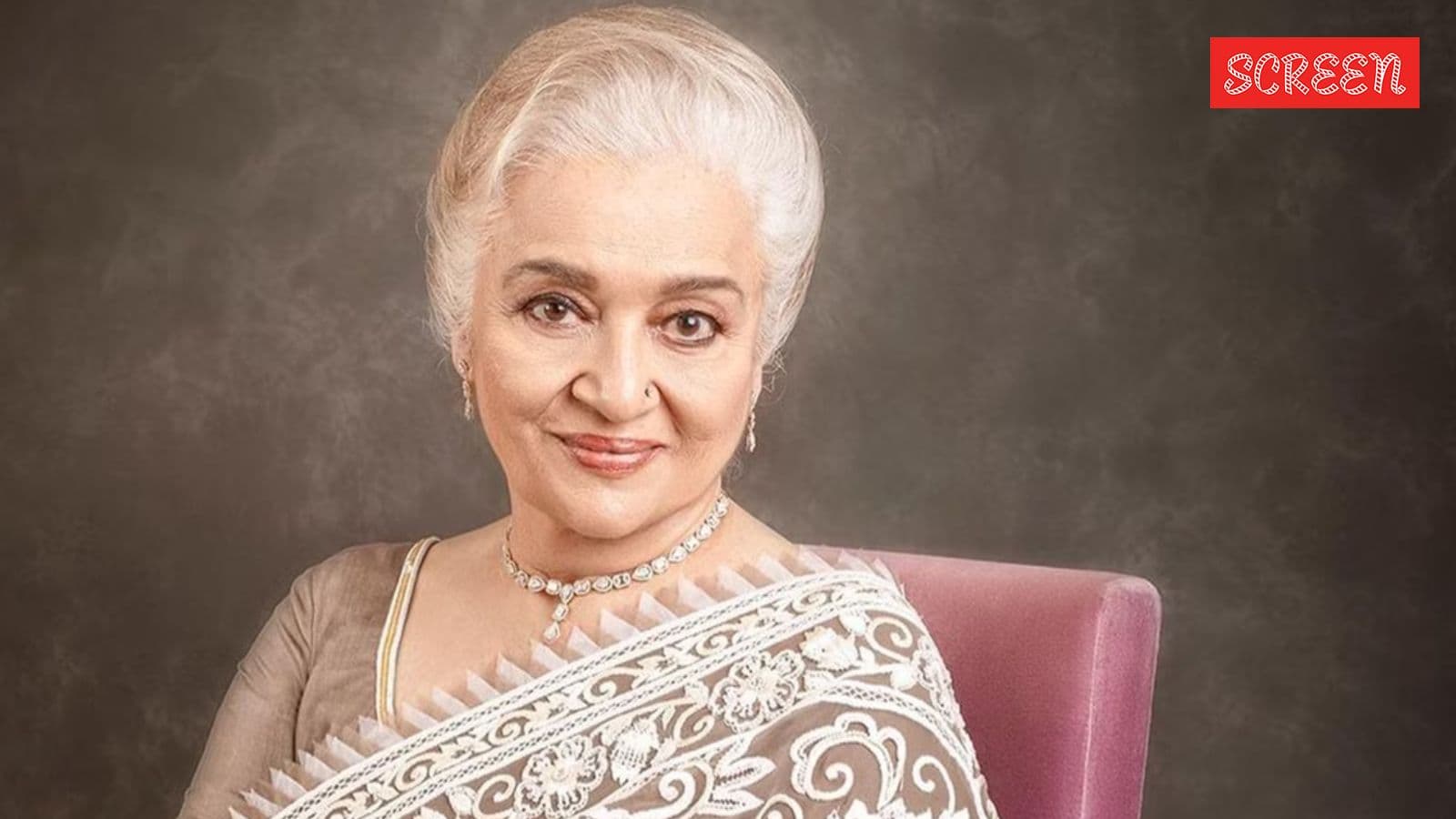
Veteran stars weigh in on the objectification of actresses as modern cinema faces backlash over uncomfortable framing.
The power dynamic on a film set is often tilted, but for Asha Parekh, the remedy was a simple, searing question. Decades ago, when a director pressured the star to don a revealing costume for a dance sequence, she didn’t resort to an argument. Instead, she looked the director in the eye and asked, “Would you be happy if your daughter wore this costume?” The demand for the outfit vanished instantly. This quiet, firm defiance remains a hallmark of an era where actresses like Parekh and Jaya Bachchan navigated the industry by setting rigid personal standards.
The Shift from Aesthetic to Exploitative
In a climate where recent releases like Peddi are facing intense heat for the suggestive framing and close-ups of Janhvi Kapoor, the industry is looking back at the veterans. Asha Parekh notes that while today’s performers are undeniably beautiful, they are often subjected to a lens that prioritizes exploitation over grace. She contrasts this with the work of filmmakers like Sanjay Leela Bhansali, who, in her view, manages to present women with an aesthetic dignity that feels both glamorous and respectful. To her, the problem isn't the glamour itself, but the lack of intention behind how it is captured on screen.
Jaya Bachchan, too, has been vocal about maintaining professional integrity throughout her long career. She recalls that while she rarely encountered the issue, she faced an unpleasant situation during the filming of Shor—a project directed by Manoj Kumar. Rather than compromising her comfort, she chose to draw a line, never working with that director again. For both women, the lesson is clear: the industry’s demand for a specific look or costume is only as powerful as the actress allows it to be.
The Modern Dilemma
The conversation has inevitably turned to the current generation of actresses. Taapsee Pannu, addressing the ongoing debate, suggests that the discomfort often stems from the technical reality of filmmaking. “As long as there is a camera, there will be awkward angles,” she notes, emphasizing that today’s stars must be hyper-aware of their own space and framing. Yet, the pushback against the "sexualisation" of characters in contemporary cinema suggests that the audience, too, is becoming more sensitive to how their favourite stars are being portrayed.
Why it matters
This discourse marks a significant shift in how we perceive the agency of Indian actresses. For years, the "heroine’s burden" was to simply be the glamour quotient, often at the expense of her own agency. The fact that legends like Parekh and Bachchan are speaking out now suggests that the industry’s "casting couch" and "costume culture" conversations are far from over. It highlights a growing intolerance for the casual objectification that was once ignored as a "cost of doing business." As audiences demand more grounded, respectful storytelling, the industry may find that the old-school technique of asking the director the "daughter test" is becoming a standard for the next generation of performers.
World Desk at PoliticalPedia covers global affairs for an Indian audience in English and Hindi.