The 'Daughter Test': Asha Parekh and the pushback against objectification on screen
Asha Parekh rejected a revealing costume by asking a director about his own daughter
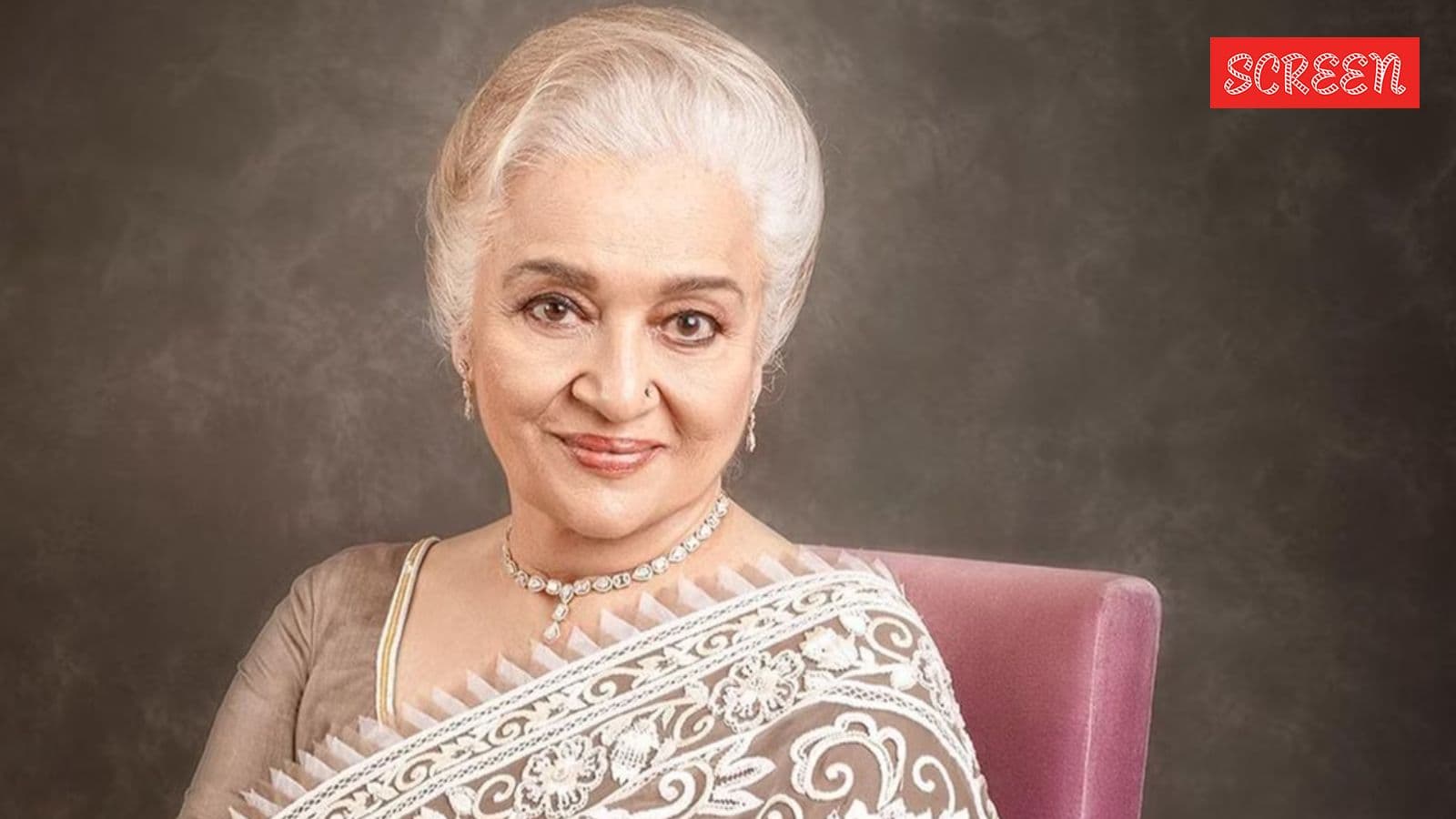
Veteran stars Asha Parekh and Jaya Bachchan are challenging the industry’s trend of hyper-sexualisation, recalling how they drew firm lines against uncomfortable demands.
The glare of the spotlight often hides a darker reality behind the camera. For veteran actor Asha Parekh, the choice to maintain dignity on screen was never a negotiation; it was a non-negotiable standard. During a recent conversation, she revealed that a director once pressured her to wear a revealing costume for a dance sequence. Instead of backing down, she countered with a sharp, moral question: "Would you be happy if your daughter wore this costume?" The impact was immediate, and the outfit was quietly dropped.
This anecdote serves as a searing reminder of a bygone era when glamour did not necessitate excessive skin show. Parekh, alongside Jaya Bachchan, recently weighed in on the shifting landscape of Indian cinema, expressing disappointment over how modern productions often rely on the objectification of women to grab eyeballs.
Setting boundaries on set
Jaya Bachchan, known for her formidable presence, shared a similar perspective on the importance of maintaining professional boundaries. Recalling an unpleasant experience early in her career—believed to be during the filming of Shor—Bachchan noted that she never worked with that specific director again. "Nobody ever dared to cross the line with me," she stated, underscoring that consent and personal comfort were always meant to be prioritised over a director’s vision.
The discourse comes at a time when contemporary cinema is under fire. The recent release of Peddi has sparked intense debate, with critics pointing out that the film’s framing of Janhvi Kapoor feels exploitatively suggestive rather than narrative-driven. While some, like Taapsee Pannu, argue that modern actresses must be "self-aware" given that cameras will inevitably catch "awkward angles," the veteran perspective suggests the issue isn't just about angles—it’s about intent.
Why it matters
The gap between the aesthetic elegance of directors like Sanjay Leela Bhansali and the exploitative framing seen in other commercial projects highlights a growing rift in how female stars are perceived. When veterans like Asha Parekh and Jaya Bachchan speak up, they aren't just reminiscing; they are pointing to a loss of agency. The "daughter test" posed by Parekh is a simple but brutal litmus test for empathy in an industry that often treats its leads as mere ornaments. As audiences become increasingly vocal about the representation of women, this pressure from within the fraternity may finally force a necessary correction in how characters are framed.
World Desk at PoliticalPedia covers global affairs for an Indian audience in English and Hindi.