The Hindu Huddle sparks campus debate on the impact of social media on student well-being
The Hindu Huddle on Campus: ‘Social media protects people from being held accountable for actions’
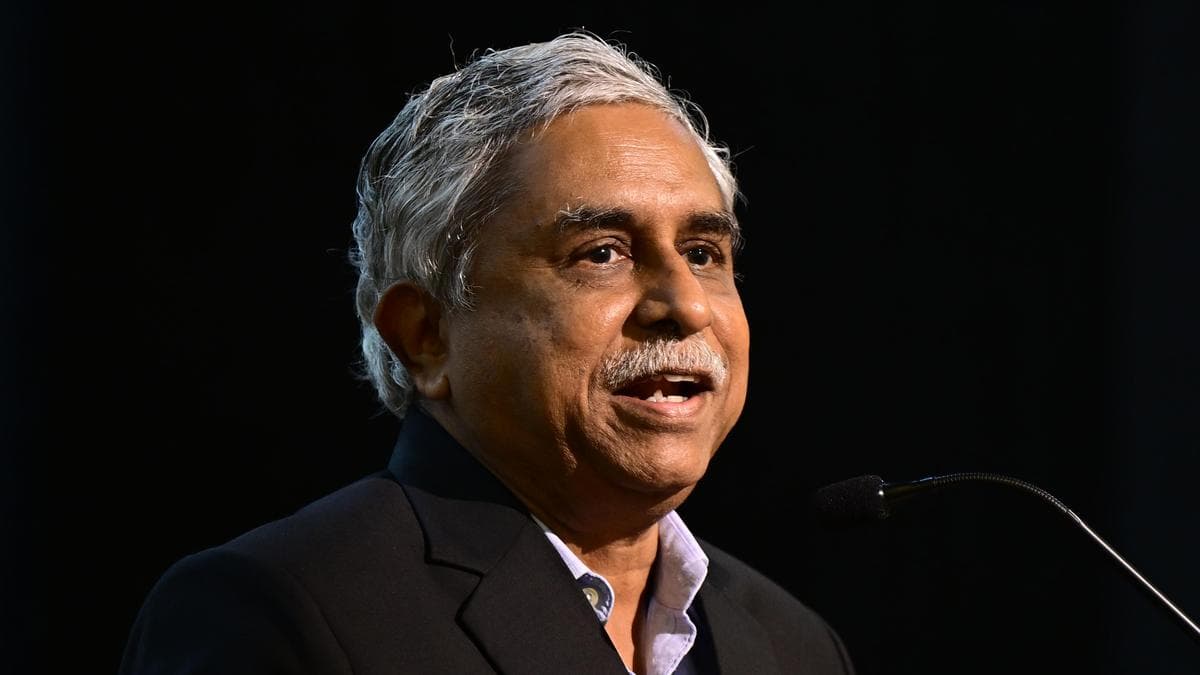
Students at Amity University gathered to weigh the psychological costs and benefits of digital platforms in an interactive session.
The latest edition of The Hindu Huddle on campus brought together a diverse group of students at Amity University to tackle a pressing modern dilemma: whether platforms like Instagram and TikTok serve as tools for growth or catalysts for mental health struggles. The event, which served as a precursor to the larger upcoming conclave, provided a platform for participants from various disciplines, including BTech and management, to voice their concerns in an increasingly digital world.
Balancing innovation and caution
D. Subhakar, Vice-Chancellor of the university, opened the proceedings by highlighting the dual nature of technological progress. He emphasized that while connectivity has expanded exponentially, the constant stimulation from mobile devices often interferes with natural biological cycles. He noted that overexposure to screens can lead to significant sleep disruptions and, in some cases, symptoms of depression. The university administration encouraged a balanced approach, urging the youth to harness the constructive potential of technology while remaining vigilant about its psychological impact.
The debate on digital accountability
The moderated session, led by faculty member Vishu Dev C.H., touched upon the growing prevalence of anxiety and distraction among the youth. During the discourse, participants explored the darker side of online interactions. Student Aaditi Singh raised concerns regarding a pervasive culture of comparison, where individuals are often reduced to their physical appearance and curated lifestyles. Adding to this, Stuti Ranjan pointed out that the veil of anonymity provided by these platforms creates an environment where users often escape accountability for their behavior.
Differing perspectives on online networks
Not all participants viewed these platforms as detrimental. Anishka Chandra offered a counterpoint, suggesting that social media is vital for building networks and fostering communities that can actually bolster mental health. Her perspective was echoed by Shafin Shabeer, who argued that placing the blame on the platform itself is misdirected. He compared the situation to blaming books for poor eyesight or vehicles for traffic accidents, emphasizing that the focus should instead be on structured usage and better supervision.
Towards digital literacy
The event concluded with closing remarks from B.S. Satish Kumar, Deputy Chief of Bureau at The Hindu, who likened digital tools to a "double-edged sword." He suggested that the path forward lies in integrating digital literacy into the education system. With the presence of university leadership and hundreds of attendees, the huddle underscored the importance of creating safe, academic spaces to discuss how technology shapes the lives of the next generation. This exchange of ideas serves as a gateway to the broader The Hindu Huddle conclave, where select students will join policymakers and industry leaders for further dialogue.
The PoliticalPedia Editorial Desk brings verified, sourced political news and analysis from across India.