Engineering Seat Matrix Expands to 1.59 Lakh for 2026-27 Academic Year
This year, 1,59,151 engineering seats available in State’s engineering colleges
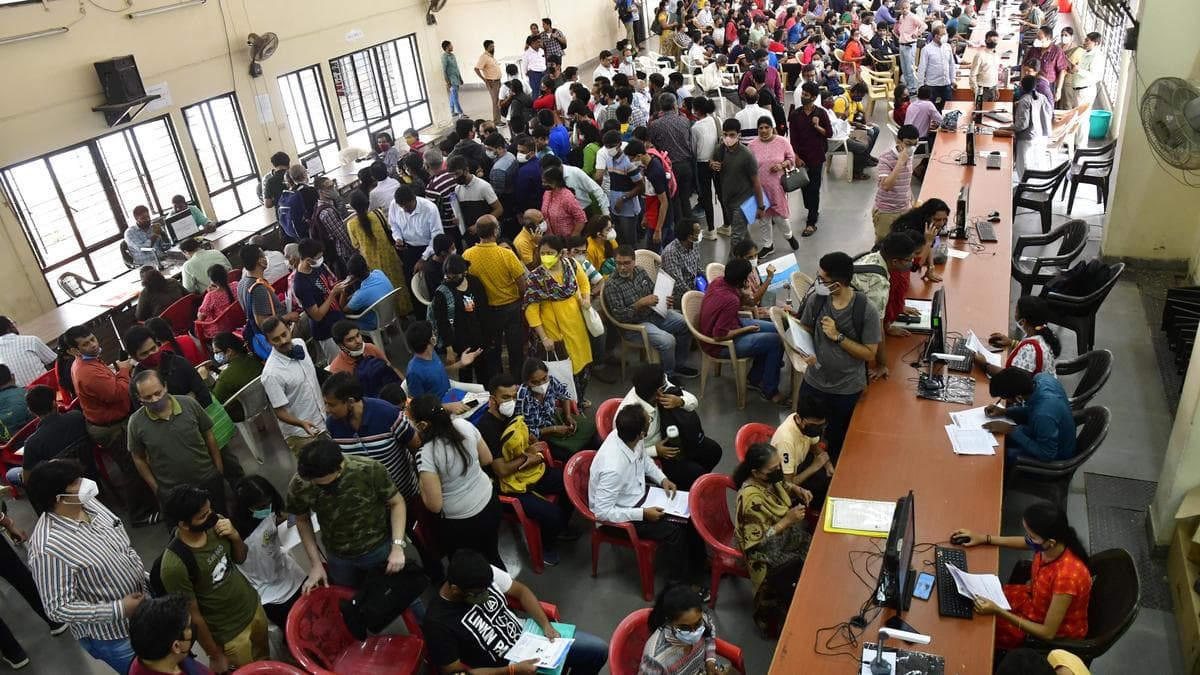
The Higher Education Department has unveiled the draft seat matrix for the upcoming academic cycle, signaling a capacity growth despite stricter accreditation oversight.
The Higher Education Department has officially released the draft seat matrix for engineering and architecture courses for the 2026-27 academic year, showing a total availability of 1,59,151 seats across 227 colleges in the state. This represents a tangible growth compared to the 2025-26 cycle, which offered 1,53,916 seats across 217 institutions. The expansion includes 500 additional seats in government-run colleges, 2,580 in private universities, and 1,695 in private engineering colleges, with a marginal increase in deemed universities.
Breakdown of the Quota System
Of the total seats available this year, 75,041 fall under the government quota, while 32,769 are reserved for COMED-K. The remaining 51,294 seats are categorized under the management quota. This distribution reflects the state’s ongoing effort to balance accessibility through the Karnataka Examination Authority (KEA) with the operational requirements of private and deemed institutions.
Regulatory Hurdles and Accreditation
While the total number of seats has risen, the KEA has clarified that not all potential capacity has been included in this draft. Following recommendations from the Sadagopan Committee, which raised alarms regarding the saturation of Computer Science and allied engineering branches, the government has imposed fresh constraints on institutional intake. Colleges are now restricted to a maximum intake of 60 seats for new programs, and those exceeding this limit—or those surpassing an overall intake of 180—must secure National Board of Accreditation (NBA) certification to have their additional seats officially listed.
The authorities have further tightened the rules for larger institutions. Any college with an approved intake exceeding 900 seats for Computer Science and related streams has had its excess capacity excluded from the current matrix. The KEA maintains that these withheld seats will only be integrated into the final seat matrix once the institutions submit the necessary NBA documentation, ensuring that quality standards keep pace with the increasing volume of technical education infrastructure.
Contextualizing the Growth
This annual release comes at a time when the state is grappling with fluctuating trends in student enrollment and shifting job market demands. While previous years have seen high fill-rates for engineering seats, the current regulatory shift suggests a move toward balancing quantity with academic quality. As students prepare for the upcoming counselling cycles, the inclusion of these seat numbers provides a clearer picture of the landscape, though prospective applicants are advised to track updates closely as NBA-certified seats are appended to the registry in the coming months.
The PoliticalPedia Editorial Desk brings verified, sourced political news and analysis from across India.