The Cooum’s grim harvest: Why Chennai’s river remains a dumping ground
A peek into a riverside garbage hotspot in Chennai
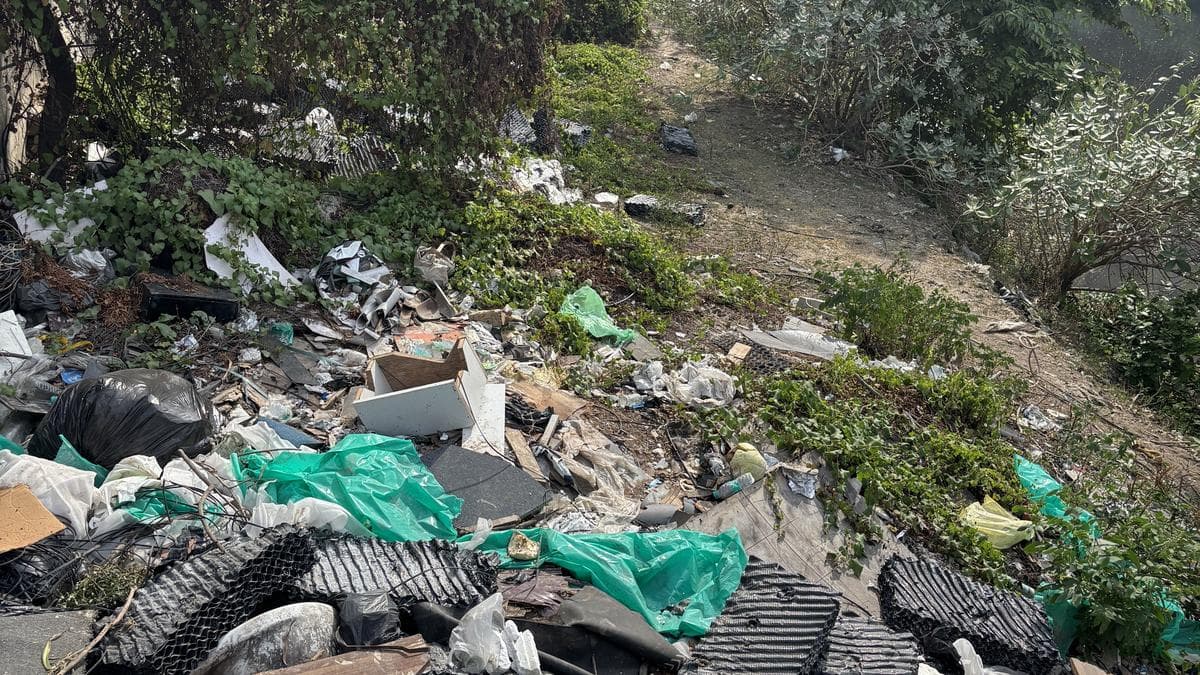
Despite crores spent on restoration, the Cooum continues to struggle under a persistent burden of urban waste and systemic neglect.
The vision of a pristine Cooum reflecting the orange glow of a Chennai sunset remains a distant, almost naive fantasy. Today, the reality is a sluggish, ink-black waterway that acts as a conveyor belt for the city's refuse. From the Valluvarkottam High Road bridge in Nungambakkam to the banks in Nolambur, the river is weighed down by a relentless accumulation of garbage. Whether it is household trash, industrial debris, or untreated sewage, the river has become the path of least resistance for waste disposal.
The geography of neglect
These "vulnerable points"—spots where dumping feels convenient and socially acceptable—are scattered throughout the city. At the Nungambakkam bridge, tossing a bag of trash into the waters below is a seamless act, often carried out by a mix of residents and commercial actors. The packaging debris found at these sites suggests a scale of pollution that goes far beyond local littering. It is a collective failure, reinforced by the belief that because everyone else is dumping here, it is somehow permissible to follow suit.
The situation is equally dire in areas like Nolambur, where the Greater Chennai Corporation’s attempt to transform a riverside stretch into a park has largely faltered. What was meant to be a green space is now a makeshift dumping ground. Reports indicate that a local waste transfer station, struggling to manage 100 to 150 tonnes of waste, has turned the surrounding road and banks into a site where pigs and cattle forage through rotting piles, creating a public health hazard for the thousands of commuters passing through daily.
Why it matters
The broader issue lies in the gap between high-level restoration projects and the ground-level reality of waste management. While the Chennai River Restoration Trust has funneled over Rs 700 crore into the river since 2015, the Central Pollution Control Board still classifies the Cooum as one of the most polluted in the country, marked by critically high biochemical oxygen demand levels.
The pattern is clear: infrastructure investments, like the plugging of sewage inlets, are frequently undermined by the lack of a sustainable, localized waste disposal system. When micro-composting units are shut down and bins are removed without adequate alternatives, the waste doesn't disappear; it simply finds its way into the nearest waterway. Until the city moves beyond reactive cleanup drives toward a model that holds both municipal agencies and the public accountable, the Cooum will remain a shadow of its potential.
Features Desk at PoliticalPedia covers culture, tech & life for an Indian audience in English and Hindi.