The Monsoon Gamble: Why Thousands Choose to Stay in Mumbai’s Crumbling Buildings
Every monsoon, same gamble: Why thousands stay in Mumbai’s crumbling buildings despite the risk of collapse
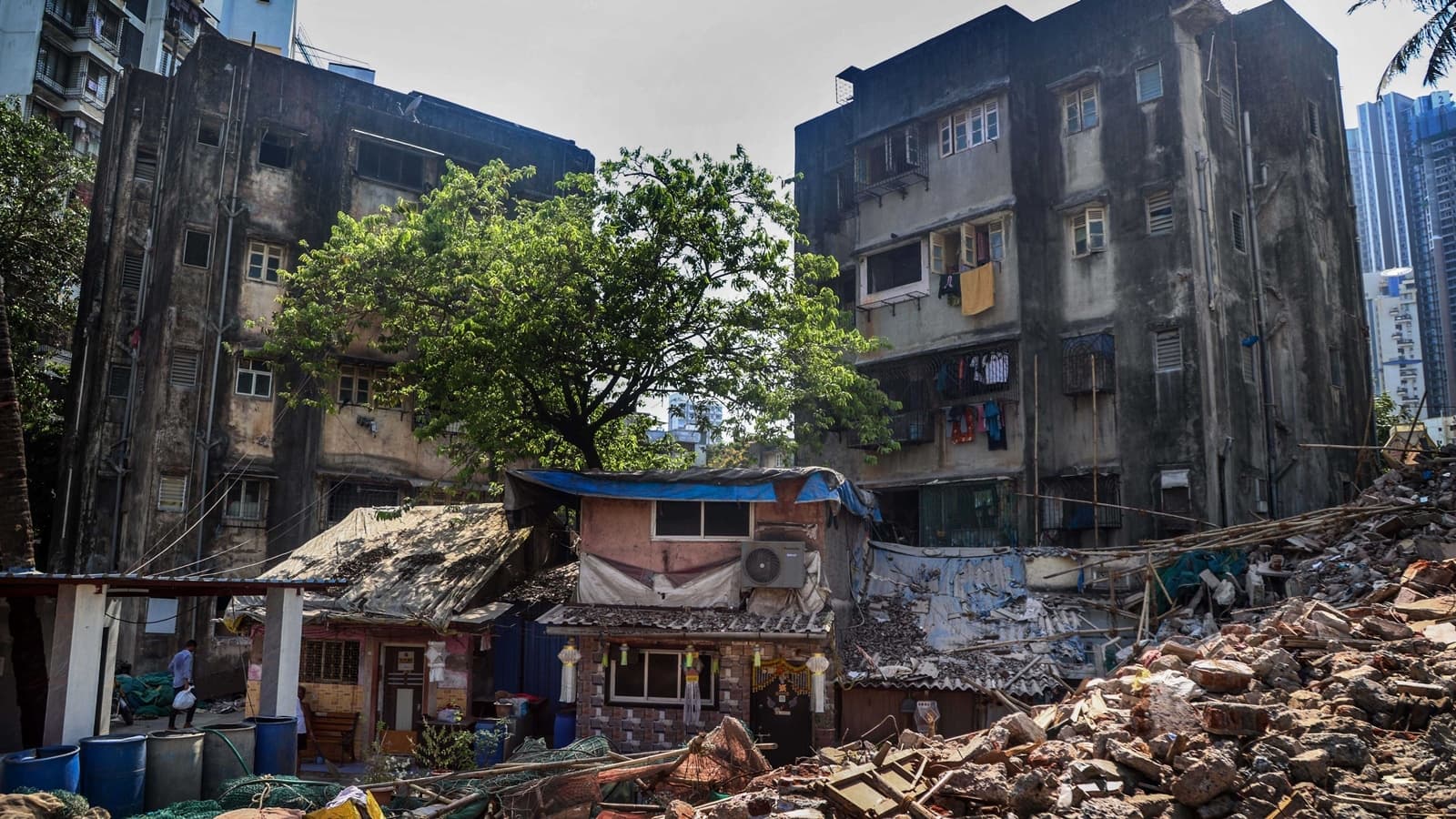
As the rains lash the city, residents of thousands of dilapidated structures face an impossible choice between safety and the permanent loss of their homes.
For Mayur Mistry, the monsoon isn't just about traffic snarls or waterlogged streets; it is a season of existential dread. In his 120-square-foot room at Hathi Baug, the walls are mapped with cracks, and bamboo poles act as makeshift pillars, holding up a ceiling that has seen better decades. Like hundreds of others across the island city, Mistry is living in a structure declared "highly dangerous" by MHADA. Yet, when the eviction notice arrived, he didn't pack his bags. To leave, he explains, is to risk losing his tenancy rights forever—a stake too high for a family that has called these rooms home for generations.
A City Held Up by Bamboo
The scale of this housing crisis is staggering. Across the Mumbai Metropolitan Region, over 800 buildings have been flagged as extremely dangerous, with thousands more categorized as unsafe. From the historic pagadi houses of South Mumbai to the aging chawls in suburbs like Malad and Andheri, the narrative is painfully consistent: leaking roofs, exposed wiring, and crumbling masonry. Authorities have attempted to intervene, with some wards issuing urgent evacuation orders for buildings under the 'C1' category, but the response from tenants remains one of defiance.
The tension between civic safety and individual survival is reaching a breaking point. While the BMC and MHADA periodically cut off water and electricity to force evacuations, residents often find themselves in a stalemate. Many have been trapped in this cycle for years, waiting for redevelopment projects that remain stalled by legal disputes, absentee landlords, or a lack of viable transit accommodation. For these families, the "miracle"—as a high-court-appointed committee once described the survival of these tenants—is simply a daily exercise in resilience.
Why it matters
The persistence of these dangerous structures highlights a fundamental failure in Mumbai’s urban metabolism. The city is caught in a trap where vertical expansion has dramatically outpaced infrastructure maintenance. Because these buildings are often pre-1969 cessed structures or rent-controlled units, the economic incentive for landlords to renovate is virtually non-existent. Meanwhile, the legal framework for redevelopment is so fraught with delays that tenants prefer the immediate, known danger of a leaking roof over the permanent, unknown risk of losing their place in the city's heart. Until the city finds a way to guarantee property rights during the reconstruction process, the monsoon will continue to be a grim lottery for the urban poor.
Ultimately, the buildings are not just bricks and mortar; they are the only link thousands of middle-class families have to a central, affordable existence in one of the world's most expensive property markets. Moving out, even for a few years, often feels like a one-way ticket to the city's fringes. As long as the fear of displacement outweighs the fear of collapse, Mumbai’s crumbling skyline will remain a silent witness to a housing crisis that no amount of pre-monsoon notices can fix.
Features Desk at PoliticalPedia covers culture, tech & life for an Indian audience in English and Hindi.