The Clock is Ticking: Why the India-US Trade Pact hinges on a Section 301 Deadline
Phase 1 of India-US trade pact hinges on Section 301 probe, official says
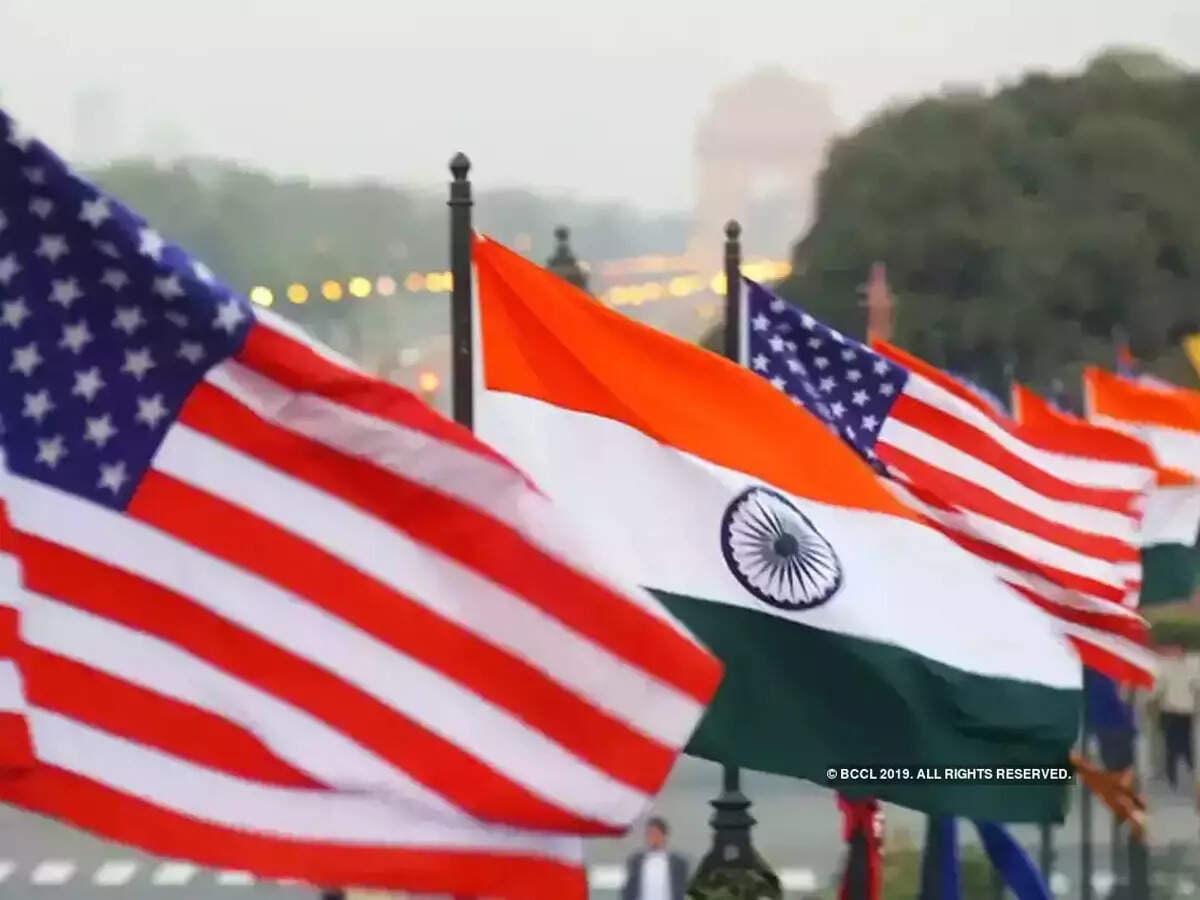
As Delhi and Washington scramble to seal an interim trade deal, a complex US investigation into labor and capacity looms over the final negotiations.
The corner offices in North Block are buzzing with quiet, high-stakes energy. As India prepares for a visit from a high-level US team—likely led by US Trade Representative Jamieson Greer—the narrative surrounding the much-anticipated India-US trade pact has narrowed down to a single, technical bottleneck: the Section 301 probe.
For weeks, commerce and industry minister Piyush Goyal has signaled that both nations are edging toward a "very, very vibrant" first phase of a deal, potentially by mid-July. However, the path to that handshake is complicated by the US administration’s dual-track approach. In March, the USTR initiated investigations into multiple countries, including India, citing concerns over forced labor in supply chains and excess manufacturing capacity.
The stakes are immediate. The US has currently imposed temporary 10% tariffs, which are set to expire on July 24. Beyond that date, the US is expected to revert to Most Favoured Nation (MFN) tariffs unless new terms are codified. If Washington intends to levy additional duties—such as the proposed 12.5% tariff linked to the forced labor probe—the Section 301 process must be wrapped up before that July deadline. An official confirmed that India is pushing for better terms, aiming to secure a competitive edge over regional rivals like Bangladesh and Sri Lanka.
The India-UK Parallel
While the trans-Atlantic trade focus intensifies, the India-UK corridor is moving at its own pace. The Comprehensive Economic and Trade Agreement (CETA), signed in July 2025, remains a work in progress. While one of the three primary sticking points—which remain undisclosed—has been resolved, steel safeguard measures and the UK’s Carbon Border Adjustment Mechanism continue to dominate the boardroom chatter. Officials suggest that while progress is “good,” a ministerial visit to London remains contingent on ironing out these remaining friction points during the upcoming joint economic and trade committee meeting.
The Bigger Picture: Why it matters
The convergence of these two trade negotiations reveals a broader shift in how India approaches global commerce: moving away from sweeping, decade-long frameworks toward agile, phased pacts. The reliance on the Section 301 outcome shows that India is no longer just seeking market access; it is actively navigating the regulatory "red tape" of its largest trading partners. If the India-US phase one pact succeeds, it serves as a blueprint for how New Delhi intends to balance its domestic manufacturing ambitions with the stringent labor and environmental standards now being exported by Western economies. The coming weeks will determine if this pragmatic diplomacy can survive the pressures of domestic election cycles and global protectionist trends.
Features Desk at PoliticalPedia covers culture, tech & life for an Indian audience in English and Hindi.