FIFA World Cup 2026: Why India’s pubs are bracing for a tough kick-off
FIFA kick-off timings pose challenge for bars
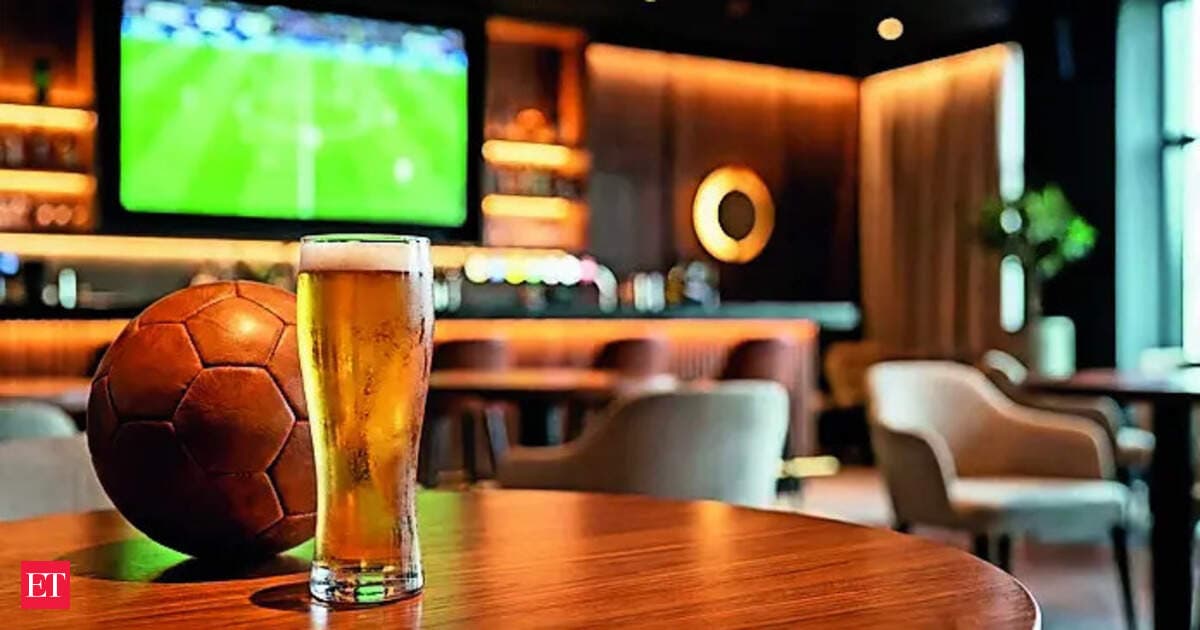
The North American time zone shift threatens to dampen the community viewing experience, with hospitality players projecting a significant dip in footfalls.
For the hospitality industry in India, the upcoming FIFA World Cup in 2026 feels less like a windfall and more like a tactical challenge. Unlike the 2022 edition in Qatar, where favourable time zones turned every pub into a packed stadium, the tournament’s move to the US, Canada, and Mexico brings a heavy shift in viewing schedules. With matches expected to clash with local sleep patterns—featuring late-night or early-morning kick-off times—the social buzz that usually fuels the sports bar economy is at risk.
The struggle for footfalls
Industry executives are already tempering expectations. Miten Shah, director of The Studs Sports Bar & Grill, anticipates a 20-30% decline in footfalls compared to the previous World Cup. "We expect a drop, although some marquee fixtures scheduled at convenient hours should still attract crowds," he said. To mitigate losses, several operators are approaching local authorities for special permissions to extend operating hours. Currently, Mumbai venues must close by 1:30 am, while other cities face a 12:30 am cut-off, making the broadcast of late-stage matches a regulatory hurdle.
Analysts point to a broader change in how fans consume sports. Karan Taurani, EVP at Elara Capital, notes that football in India historically struggles to match the sheer volume of traffic generated by cricket. As viewers face the choice between staying up for a live match or heading to work the next day, the trend is shifting toward digital catch-up. Abneesh Roy, executive director for research at Nuvama Institutional Equities, confirms this sentiment, suggesting that audiences will likely rely on highlights and delayed viewing rather than braving the late-night commute to a bar.
Why it matters
The broader implication here is a structural shift in the sports hospitality business. While tournaments like the Premier League or UEFA competitions have long managed the friction of international time zones, the World Cup is a different beast—it relies on mass-market, community viewing to drive revenue. If the 2026 edition forces a move toward solitary, digital consumption, pubs may have to pivot their business models to survive. The reliance on marquee games and weekend fixtures will become even more critical, as the "always-on" communal atmosphere of the Qatar event becomes a harder target to hit when the clock is working against the industry.
Despite the headwinds, the global economic narrative remains bullish, with projections suggesting the event could boost beer sales by over a billion pints worldwide. However, for the average Indian sports bar, the commercial upside will be tempered by the reality of the clock. Whether the excitement of the game can overcome the exhaustion of a 2:00 am start remains the big question for the sector as the countdown begins.
Business Desk at PoliticalPedia covers economy & markets for an Indian audience in English and Hindi.