RBI’s New Dollar Swap Window: How Banks Are Luring NRI Deposits to Shore Up Forex
Deposits under RBI's latest foreign currency non-resident bank scheme will carry one-year lock-in
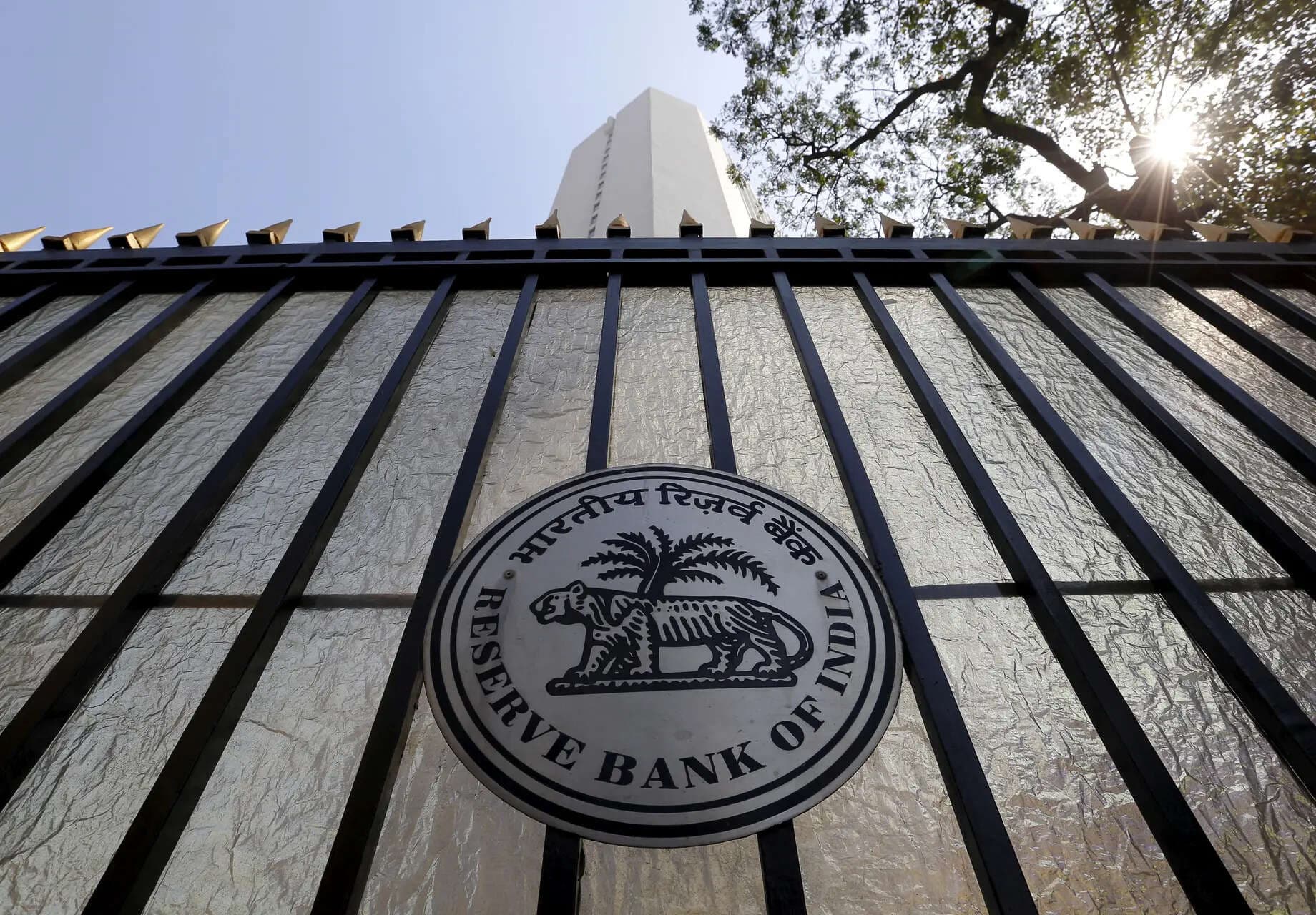
The central bank is pulling out all the stops to attract foreign inflows, offering banks a lucrative swap facility to boost FCNR-B deposits as the rupee faces persistent volatility.
The Reserve Bank of India (RBI) has launched a strategic push to bolster the country’s foreign exchange reserves, unveiling a dollar-rupee swap facility that gives banks a powerful incentive to chase Non-Resident Indian (NRI) deposits. By offering a concession of 280-300 basis points on swap costs—effectively bearing the burden of hedging—the regulator is betting that banks will aggressively ramp up their Foreign Currency Non-Resident (FCNR-B) portfolios.
This move is designed to replicate the success of the 2016 window, which netted $26 billion. This time around, bank chiefs are optimistic, projecting fresh inflows between $35 billion and $40 billion. To sweeten the deal, the RBI has exempted these specific deposits from the mandatory Cash Reserve Ratio (CRR) and Statutory Liquidity Ratio (SLR), giving lenders significantly more room to price these products competitively.
The mechanics of the swap
The facility, which stays open until October 16, applies to FCNR-B deposits with tenures ranging from three to five years. Under the new guidelines, banks can avail of the swap facility once a week, capped at the total amount raised in the preceding week. The transaction is structured as an at-par swap: the bank sells dollars to the RBI at a reference rate, and the second leg is executed at that same rate, eliminating the usual market-driven hedging costs for the lender.
While banks are free to set their own deposit rates, the central bank has imposed a one-year lock-in period for these specific deposits. Furthermore, the regulator has put guardrails in place, barring banks from issuing non-fund-based facilities to entities that seek to guarantee repayment through these bonds or deposits. It is a calculated move to ensure that the liquidity coming in is genuine, long-term capital rather than speculative arbitrage.
Why it matters
The bigger picture here is clear: the RBI is playing a defensive game against currency depreciation. By incentivizing banks to bring in "sticky" dollar deposits, the central bank is creating a buffer against global headwinds that continue to pressure the rupee. This is not just about liquidity; it is about signaling stability to global markets.
However, the efficacy of this move depends on how quickly banks can mobilize their overseas networks to convert the interest rate differential into actual inflows. For the average NRI, the timing is critical. As the global economic landscape shifts and interest rate cycles turn, these FCNR-B deposits are being positioned as a safe, state-backed haven. Whether this "magic" intervention achieves its multi-billion dollar target will ultimately be the true test of the RBI’s grip on the currency market.
World Desk at PoliticalPedia covers global affairs for an Indian audience in English and Hindi.