BHAVYA: India’s Rs 33,660 Crore Blueprint for a Manufacturing Powerhouse
Rs 33,660 crore industrial parks scheme to help get investments, create jobs: Piyush Goyal
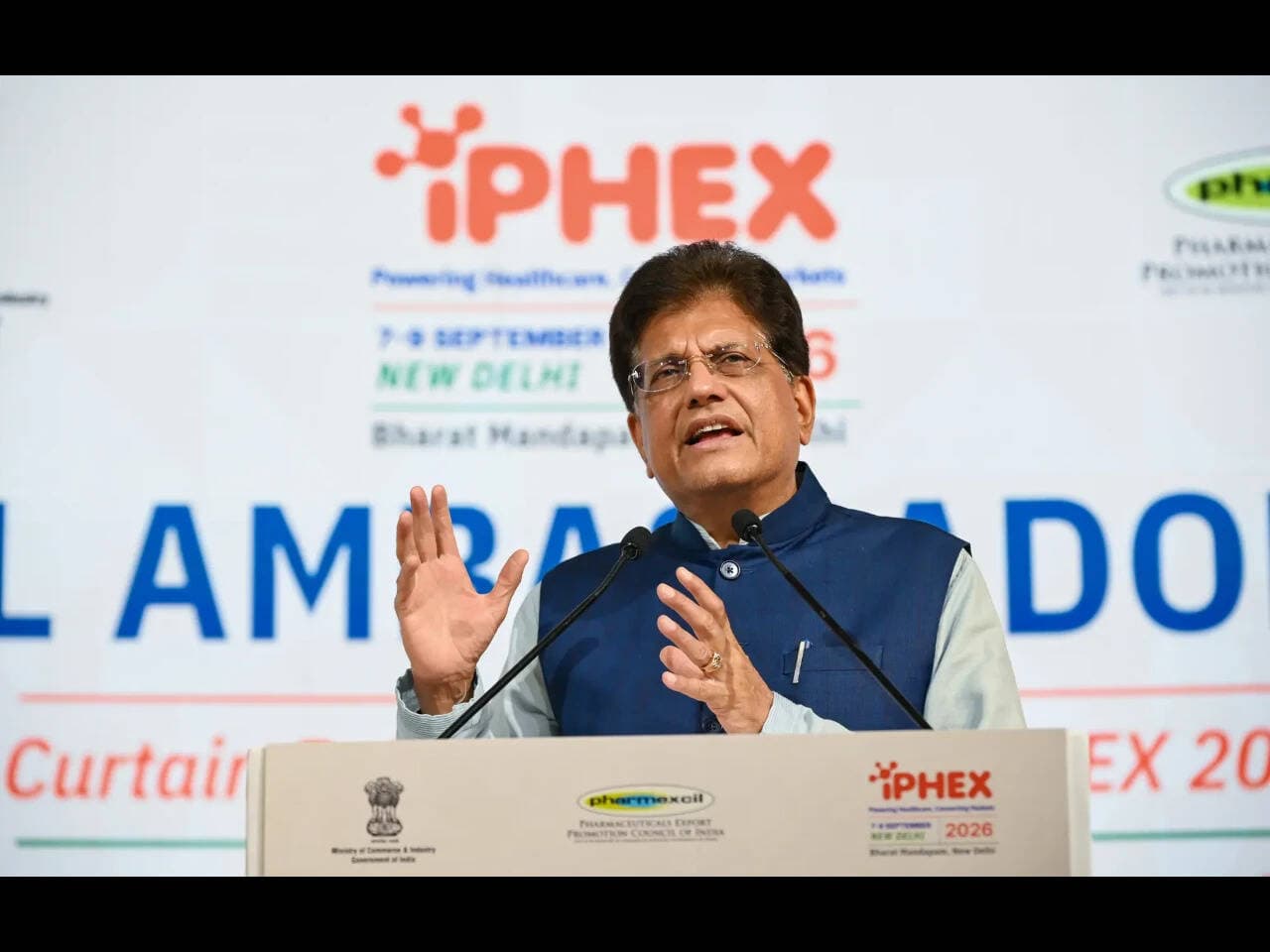
The government has launched a massive, multi-phase initiative to develop 100 plug-and-play industrial parks designed to supercharge domestic manufacturing and employment.
For years, the biggest hurdle for global investors eyeing India hasn't been a lack of interest, but the friction of setting up shop. From land acquisition to basic utilities, the "time-to-market" has often been a deterrent. With the launch of the Bharat Audyogik Vikas Yojna (BHAVYA) scheme, the Union government is aiming to flatten these curves by offering a "plug-and-play" model, essentially handing developers and manufacturers industrial spaces that are ready for immediate operation.
Union Commerce and Industry Minister Piyush Goyal officially kickstarted the process this week, launching a dedicated portal that will act as the digital backbone for the Rs 33,660 crore initiative. The math behind the move is clear: by creating world-class infrastructure in 100 dedicated industrial parks, the state hopes to unlock stagnant manufacturing potential and aggressively create jobs across the country.
The Phased Rollout
The implementation won't happen overnight. According to Goyal, the ministry has devised a two-phase roadmap. For the first round, states have a window to submit their proposals: applications sent in between June 1 and July 31 will be vetted for the initial 20 parks. A second batch of 30 parks will follow, based on applications filed by September 30.
This is a competitive model. Instead of the Centre dictating terms, the scheme places the onus on states to pitch their own strengths. Proposals will be judged on a state’s industrial readiness, the availability of land, and, crucially, proven investor interest. It’s a strategy designed to foster a healthy, performance-based rivalry among states to attract the biggest investments.
Why It Matters: The Bigger Picture
This initiative represents a pivot from traditional industrial planning to a more agile, market-responsive approach. By focusing on "plug-and-play" facilities, the government is acknowledging a shift in the global supply chain: companies today want to move fast, and they gravitate toward locations that minimize bureaucratic and infrastructural lag.
The success of BHAVYA will hinge on how effectively these parks integrate with local labor markets and logistics networks. If executed well, these 100 hubs could serve as "change agents" that transform regional economies, moving beyond mere manufacturing clusters to become self-sustaining engines of economic growth. As Goyal noted, the lessons learned from the first 20 parks will be critical in refining the strategy for the remaining 80, suggesting the government is prepared to iterate as it goes.
Features Desk at PoliticalPedia covers culture, tech & life for an Indian audience in English and Hindi.