Shivamogga Airport Loses SpiceJet Services, Deepening Regional Connectivity Crisis
SpiceJet to halt operations from Shivamogga airport from June 9
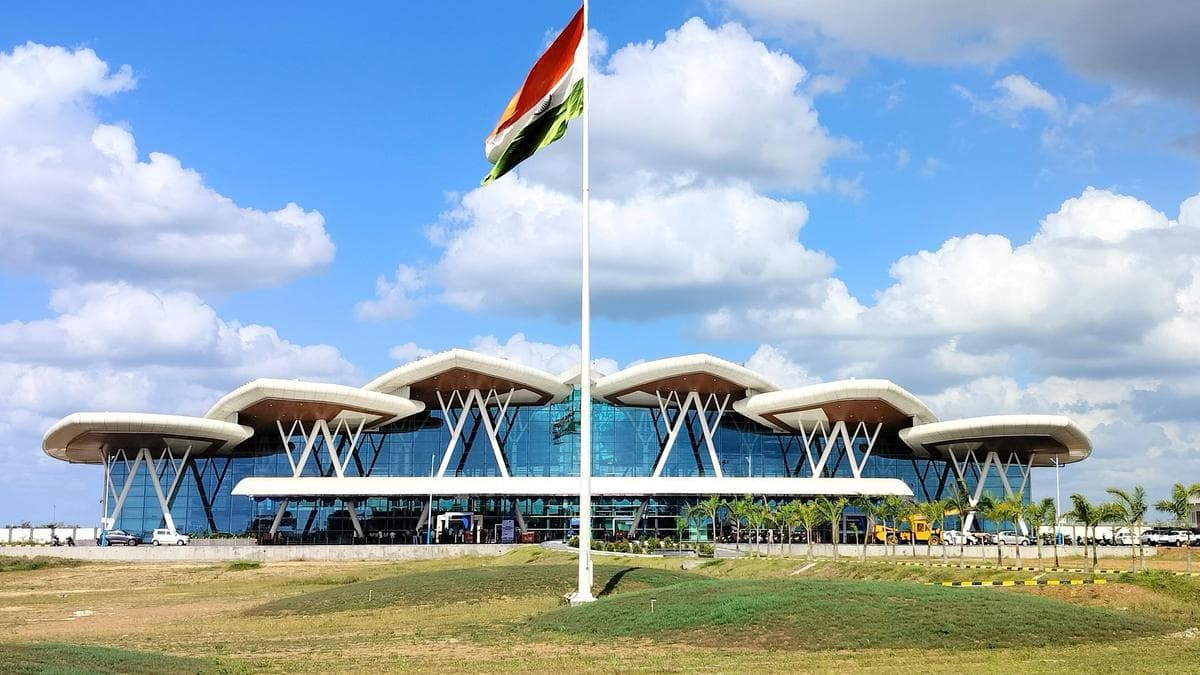
After the withdrawal of IndiGo earlier this spring, the suspension of SpiceJet flights leaves the ₹450 crore regional airport with a solitary carrier.
The tarmac at Shivamogga airport, a facility inaugurated with much fanfare by Prime Minister Narendra Modi in February 2023, has grown increasingly quiet. Following the abrupt exit of IndiGo from the Bengaluru route on May 1, SpiceJet has now confirmed it will suspend all operations from the airport effective June 9. The move, which follows an initial pause in services on June 2, effectively grounds the carrier's daily flights to Hyderabad and Chennai through September 30.
For passengers, the impact is immediate. SpiceJet has ceased all ticket bookings, leaving travellers who relied on these connections—particularly the popular Hyderabad route—scrambling for alternatives. The airline, which only commenced operations at the site in October 2024 under the central government’s Ude Desh ke Aam Nagarik (UDAN) scheme, still had roughly 18 months remaining on its contract.
The Operational Strain
Official sources at the airport cite a compounding list of pressures for the withdrawal. Beyond the obvious burden of rising aviation turbine fuel (ATF) costs, airlines are grappling with the Directorate General of Civil Aviation’s (DGCA) revised Flight Duty Time Limitation (FDTL) regulations. These new norms, designed to address pilot fatigue, have placed immense strain on carriers already struggling with an insufficient number of pilots and aircraft to maintain their regional networks.
Furthermore, industry insiders suggest a strategic pivot is underway. SpiceJet is currently in the process of reallocating its operational resources to bolster its presence at the upcoming Noida International Airport in Jewar. This consolidation reflects a broader trend among major domestic carriers: prioritising high-yield hubs over smaller regional routes as they battle tight margins and operational bottlenecks.
Why it Matters: The UDAN Gap
The shrinking of flight options at Shivamogga casts a long shadow over the efficacy of the UDAN regional connectivity scheme. While the project was conceived to bring aviation to tier-2 and tier-3 cities, the reality of sustaining these routes often hits a wall of economic viability.
Shivamogga MP B.Y. Raghavendra has expressed sharp frustration, noting that the Karnataka government has previously extended significant subsidies—ranging from ₹20-25 crore—to keep services alive at airports like Bidar and Kalaburagi. The lack of similar state-level financial scaffolding in Shivamogga has left the airport vulnerable to the shifting priorities of private airlines. As it stands, Star Air remains the only carrier maintaining a presence here, with flights to Goa, Tirupati, and Hyderabad, effectively placing the entire burden of regional connectivity on a single operator.
The broader picture is one of fragility. When a major infrastructure project costing ₹450 crore is built, the expectation is a thriving gateway to the Malnad region. Instead, the sudden departure of two major airlines within months suggests that without a more robust model for viability—balancing state support, fuel costs, and regulatory compliance—the "regional connectivity" dream risks remaining grounded.
World Desk at PoliticalPedia covers global affairs for an Indian audience in English and Hindi.