Tehran and Tel Aviv trade fire as ceasefire hangs by a thread
Iran blames U.S. for latest exchanges of fire with Israel
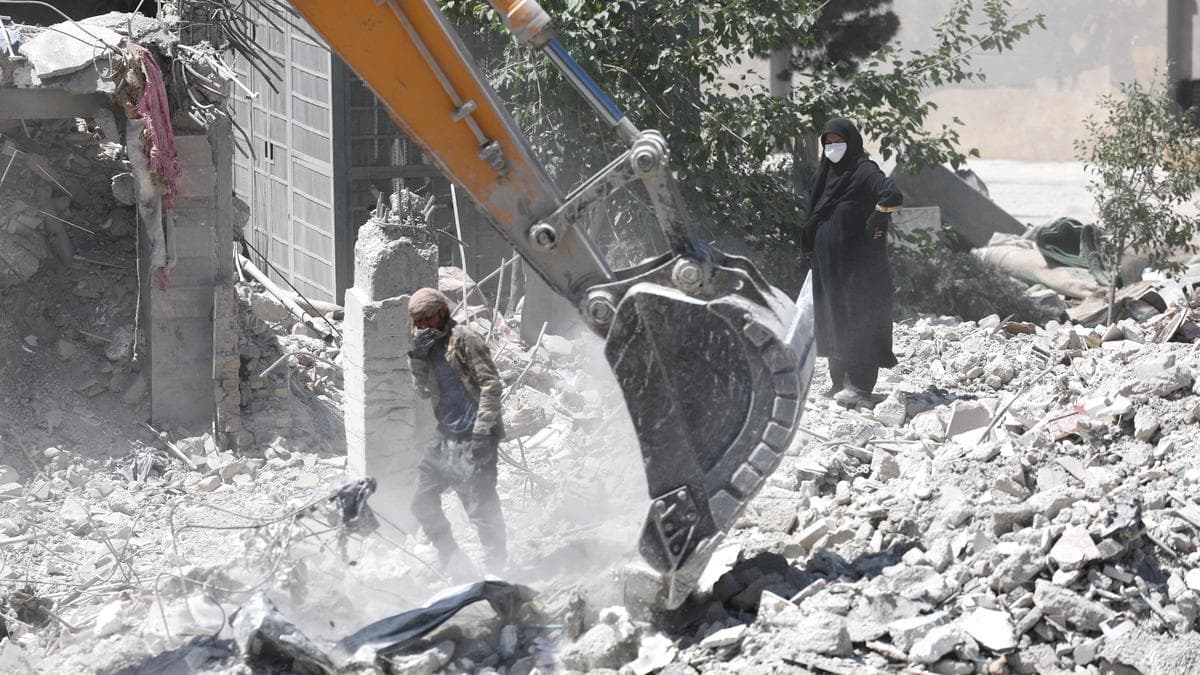
Renewed missile strikes between Iran and Israel have rattled global markets and pushed diplomatic efforts to the brink, with Tehran pointing the finger directly at Washington.
The fragile stability in the Middle East shattered overnight as Iran and Israel exchanged a wave of direct fire, marking the most dangerous escalation since the April ceasefire. Following Israeli strikes on Beirut, the Iranian Revolutionary Guard Corps launched ballistic missiles at Israeli targets, including the Ramat David Air Base and petrochemical infrastructure in Haifa. Israel retaliated with a series of intense blasts that rocked Tehran and hit the Karun Petrochemical Company in Mahshahr. By Monday, the Iranian military declared a temporary suspension of operations, though they issued a chilling warning that any further "hostile actions" in Lebanon would be met with an even more forceful response.
The Washington blame game
Tehran’s Foreign Ministry spokesperson, Esmaeil Baghaei, wasted no time in pinning the blame on the United States. Speaking on Monday, Baghaei argued that the U.S. bears direct responsibility for Israel’s actions, claiming that Washington’s involvement in the April ceasefire makes it accountable for any violations. The diplomatic atmosphere has soured into one of "extreme suspicion," even as Iranian officials continue indirect communication with their American counterparts via intermediaries like Pakistan.
Meanwhile, President Donald Trump has taken to his social media platforms to demand an immediate end to the "shooting." Despite the aggressive posturing, Trump claimed that both nations are still looking to finalize a peace deal—provided that "ignorance or stupidity" doesn't derail the progress. His administration insists that a deal to reopen the Strait of Hormuz and end the conflict remains within reach, even as the sound of air defense sirens in Tehran suggests otherwise.
Why it matters: The shadow over energy markets
For the global economy, the stakes go far beyond regional security. The volatility triggered by this latest round of strikes sent the FTSE 100 tumbling into the red on Monday morning, a clear signal that investors are bracing for the worst. The targeting of petrochemical facilities in both Haifa and Mahshahr underscores a shift toward attacking the economic arteries of both nations. If these tit-for-tat strikes evolve into a sustained conflict, the resulting supply chain disruptions and energy price spikes would hit emerging economies—including India—particularly hard. The pattern is clear: the "ceasefire" is currently little more than a suggestion, and the diplomatic window for a long-term resolution is narrowing as both sides test the limits of American patience.
A volatile week ahead
The pressure is mounting on multiple fronts. Beyond the kinetic conflict, Iran has signaled it will respond aggressively to any resolutions proposed at this week’s meeting of the U.N. nuclear watchdog’s Board of Governors. Tehran has already dismissed IAEA chief Rafael Grossi as biased, further complicating any path toward international oversight of its nuclear program. As air defenses rattle windows in Tehran and the IDF remains on high alert, the world is waiting to see if the latest "pause" in hostilities will hold, or if the region is sliding toward a broader, uncontrollable war.
Business Desk at PoliticalPedia covers economy & markets for an Indian audience in English and Hindi.