The Energy War: Mahshahr Joins Growing List Of Assets Struck In West Asia Conflict
Tracking The Damage: Mahshahr Joins Growing List Of Energy Assets Struck In West Asia War
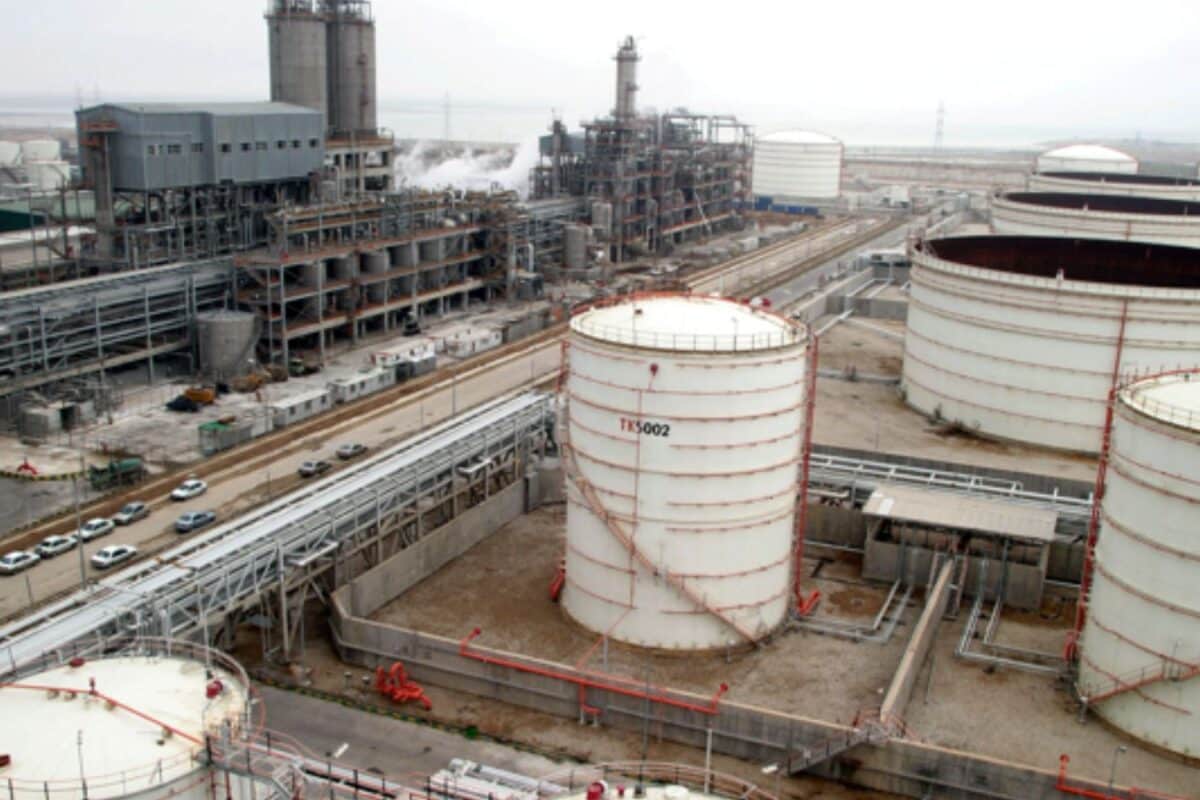
As regional tensions escalate, the latest strike on Iran's premier petrochemical hub signals a shift in the West Asia war, threatening global supply chains.
The smoke rising from the Mahshahr Petrochemical Complex this week marks a chilling evolution in the regional conflict. By targeting the largest petrochemical site in Iran, Israel has breached a quietude that held since the April 8 ceasefire. This facility, a sprawling industrial engine near Bandar Imam Khomeini, houses over 50 individual plants and churns out 72 million tons of chemicals, polymers, and raw materials annually. For a market already on edge, this is not merely a tactical hit; it is a calculated blow to the industrial backbone of the region.
A Pattern of Strategic Sabotage
This strike is far from an isolated incident. We are witnessing a systemic pattern where critical energy infrastructure has become the primary chessboard for regional powers. From the offshore gas fields in the Persian Gulf to the refineries of the Saudi coast, the geography of the West Asia war is increasingly defined by the vulnerability of oil and gas assets.
Earlier this year, the South Pars gas field—a massive reservoir shared by Iran and Qatar—faced a direct strike on March 18. The stakes there are astronomical: the field holds an estimated 1,800 trillion cubic feet of gas, a quantity capable of meeting global energy demands for over a decade. When the adjacent Asaluyeh refinery was hit alongside it, the resulting disruption sent shockwaves through energy processing operations across the region.
The Regional Exposure
The risk is not confined to Iranian borders. Back on March 2, a drone strike hit the Ras Tanura refinery in Saudi Arabia, the oldest and most complex processing site in the Kingdom. With a capacity of 550,000 barrels per day, the disruption forced an immediate rerouting of exports, proving that even the most fortified energy hubs are struggling to remain insulated from the chaos.
Why it matters
The targeting of Mahshahr and its peers represents a worrying shift from traditional military objectives to the systematic attrition of economic assets. By hitting these facilities, the conflict moves from a battle of armies to a war of attrition on global commodity prices. For India, which relies heavily on energy imports from this region, the unpredictability of these supply chains is the biggest cause for concern. If major hubs like Mahshahr remain in the line of fire, we are likely looking at sustained volatility in crude and petrochemical prices, which will inevitably filter down to domestic manufacturing and retail costs.
The silence of the April 8 ceasefire has been broken, and the "energy war" is clearly back in play. As these industrial sites continue to be targeted, the global market will be forced to price in a higher "geopolitical premium," turning every refinery and gas field into a potential flashpoint.
Business Desk at PoliticalPedia covers economy & markets for an Indian audience in English and Hindi.