Beyond the Dragon-Elephant Tango: Beijing calls for a 'strategic shift' in India ties
India, China should stick to 'right strategic perception' of being cooperative partners, not rivals: Beijing
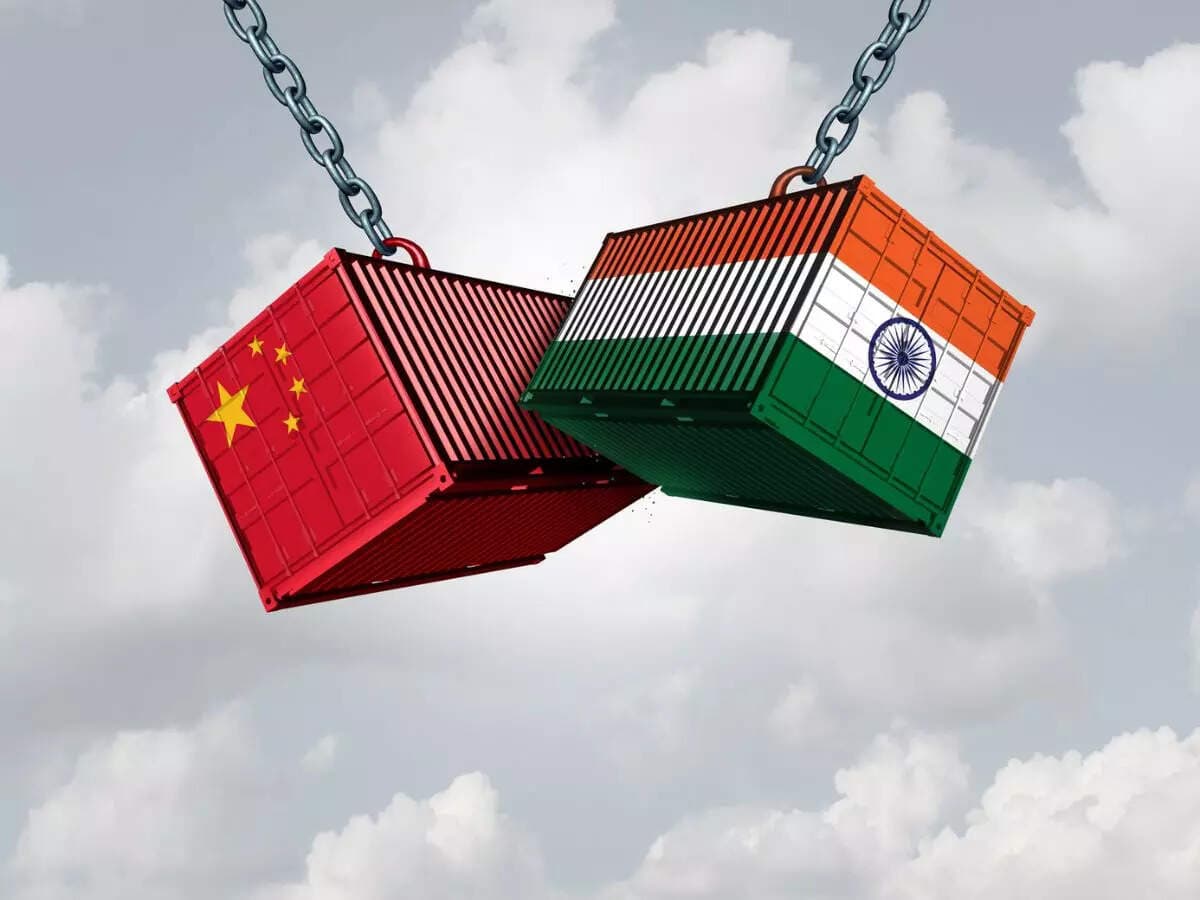
As New Delhi and Beijing signal a reset, Chinese officials emphasize a move away from rivalry toward a partnership model for regional growth.
The diplomatic air between New Delhi and Beijing is showing signs of a thaw, with Chinese authorities recently calling for a "right strategic perception" of bilateral ties. During a briefing in Beijing, Foreign Ministry spokesperson Lin Jian urged both nations to view each other as cooperative partners rather than rivals. This rhetoric, echoed during recent high-level strategic dialogues between Foreign Secretary Vikram Misri and China’s Executive Vice Foreign Minister Ma Zhaoxu, suggests an intent to move past the border-focused friction that has defined the relationship since 2020.
The call for a reset comes on the heels of productive engagements, most notably the meeting between Prime Minister Narendra Modi and President Xi Jinping in Kazan, and subsequent talks in Tianjin. Both sides have begun to frame their interactions not as a zero-sum game, but as an opportunity for mutual development. President Xi has even invoked the imagery of a "cooperative pas de deux" between the dragon and the elephant, suggesting that the two emerging economies share a responsibility to stabilize the Global South.
A Diplomatic Balancing Act
Russian President Vladimir Putin has also weighed in, highlighting that Moscow’s partnerships with both India and China remain independent and "delicate." During an interaction with global news agencies, including PTI, Putin cautioned against external interference in the bilateral relationship, noting that both leaders are actively working to resolve their differences. For its part, Beijing has attempted to soothe Indian anxieties regarding its close ties with Pakistan, stating that it supports dialogue to maintain regional peace and stability.
Despite the conciliatory language, the path to a genuine, long-term rapprochement remains complex. The border situation, while currently described as "generally stable" with open communication channels, has historically been the primary irritant. By emphasizing that the boundary question should not define the entirety of the relationship, Beijing is clearly attempting to decouple economic and diplomatic cooperation from territorial disputes.
Why it matters
The shift in narrative is significant because it reflects an urgent need for both Asian giants to manage their external pressures—ranging from volatile trade environments to shifting geopolitical alliances. By labeling each other as "development opportunities" instead of threats, both countries are attempting to insulate their domestic growth agendas from the risks of prolonged hostility. If this "strategic perception" holds, we could see a more pragmatic approach to trade and multilateral cooperation, potentially easing the pressure on India to choose sides in an increasingly polarized global economy. However, the true test will lie in whether these words lead to tangible policy shifts on the ground along the border.
Business Desk at PoliticalPedia covers economy & markets for an Indian audience in English and Hindi.