Rawalakot on Edge: Fresh Violence in PoK Leaves Five Security Personnel Dead
Fresh Violence In PoK: Five Security Personnel Killed During Clashes At Funeral In Rawalakot
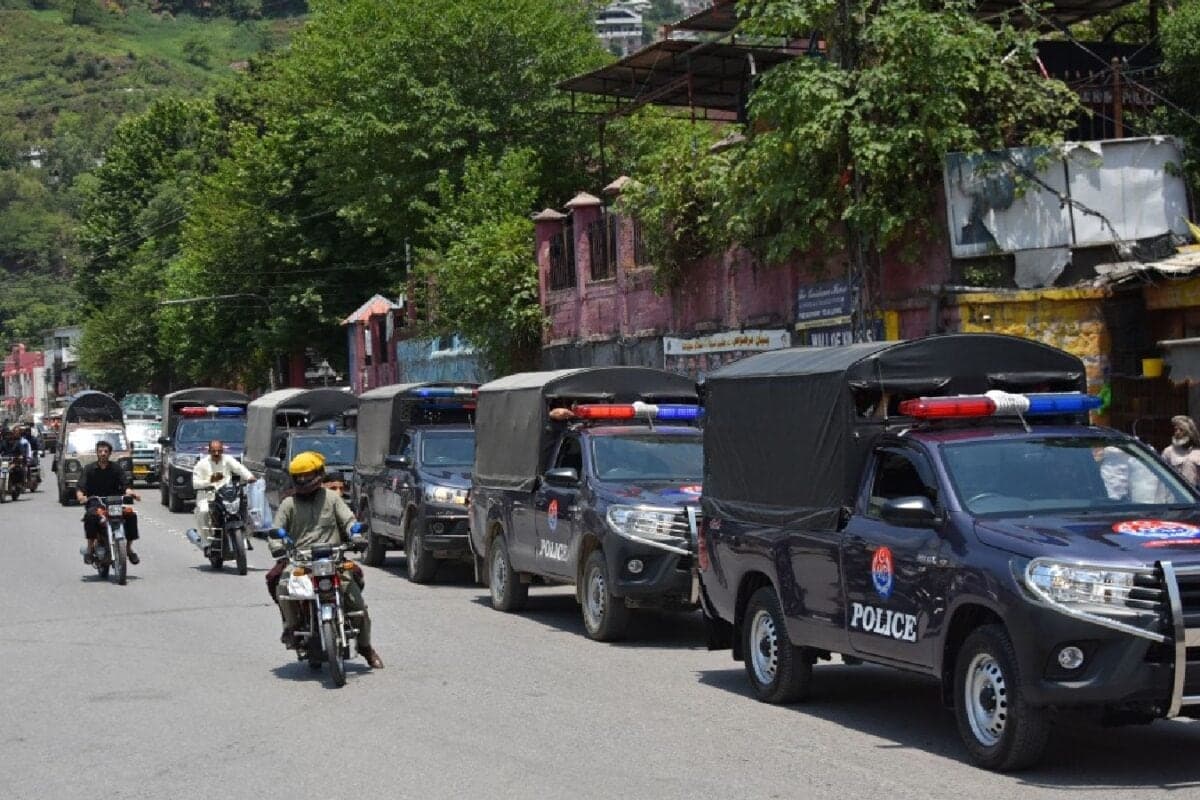
Tensions have spiralled in Pakistan-occupied Kashmir as a funeral procession turned into a battlefield, signalling a deepening crisis for the Pakistani state.
Rawalakot has become the latest flashpoint in the growing unrest across Pakistan-occupied Kashmir (PoK). Late Sunday, fresh violence in PoK erupted after Pakistan Army troops allegedly confronted locals gathered for the funeral of a protester named Shahzaib. The situation spiralled rapidly, resulting in five security personnel killed during clashes at funeral proceedings in Rawalakot, marking a significant escalation in the region's deteriorating security environment.
The Pakistani military had cordoned off the area in an attempt to stifle public outcry, but the move backfired, leading to direct confrontations between the grieving crowd and security forces. Intelligence reports indicate that this incident is not an isolated flare-up but evidence of a severe breakdown of local law enforcement. For the Pakistani state, which is already grappling with persistent threats from the Tehreek-e-Taliban Pakistan (TTP), Baloch insurgents, and instability along its western borders, the unrest in PoK represents a dangerous new front.
The JAAC Challenge
At the heart of the current turmoil is the Joint Awami Action Committee (JAAC), which has become the primary voice of local dissent. The group, which has been calling for economic relief, lower energy prices, and free healthcare, now faces the full weight of the Pakistani state’s coercive machinery. Authorities have invoked anti-terror laws against the committee, branding their peaceful struggle as "terrorism" and an effort to incite anarchy.
Shaukat Nawaz Mir, a prominent JAAC leader, rejected these labels in an audio message released Saturday night. "We are not against any country, institution or individual—to link our peaceful struggle with terrorism is a great oppression," Mir stated, as the group solidified plans for a historic long march scheduled for June 9. The JAAC is also demanding the abolition of 12 reserved seats in the local assembly, which they argue are used by major Pakistani political parties to manipulate the region’s governance from Islamabad.
Why it matters
The mounting friction suggests that Islamabad’s strategy of force is failing to contain deep-seated grievances. By deploying thousands of troops—with reports of up to 14,000 being moved into the region—the Pakistani establishment is attempting to regain control through a heavy-handed security crackdown. However, this approach risks alienating the local population further and providing a larger platform for the JAAC’s demands. For India, the instability in its immediate neighbourhood is a matter of watchfulness; the internal power dynamics of PoK are now clearly in flux, reflecting a state struggling to manage its own borders while its economy and internal security crumble simultaneously.
World Desk at PoliticalPedia covers global affairs for an Indian audience in English and Hindi.