Nilgiri Tahr Population Reaches 1,364 in Tamil Nadu: A Steady Climb for the Mountain Monarch
Nilgiri Tahr population rises to 1,364 in Tamil Nadu, 4.68% rise over ’25
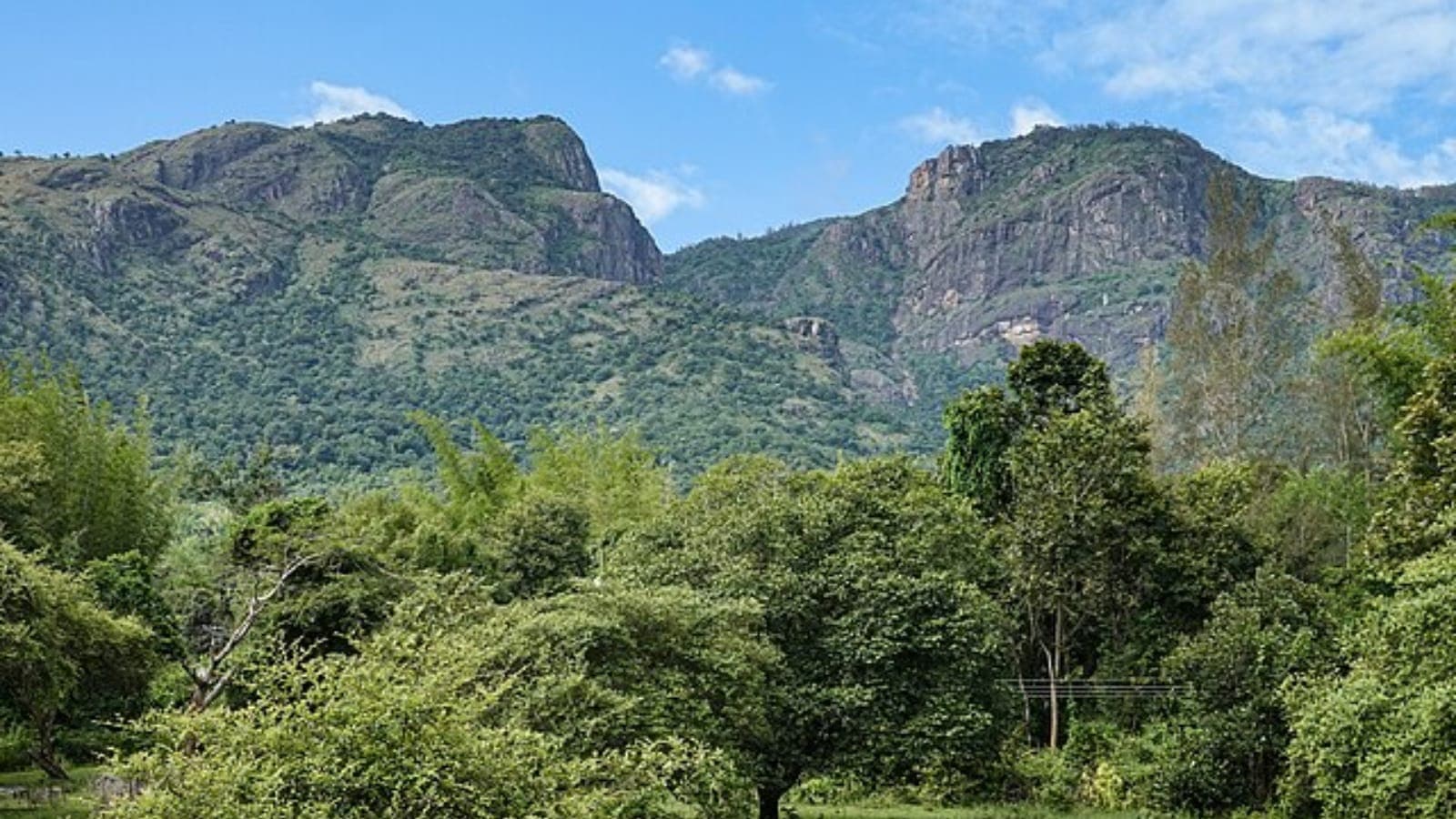
The latest synchronized survey under Project Nilgiri Tahr reveals a 4.68% increase in the endangered mountain ungulate’s numbers across the Western Ghats.
The Nilgiri Tahr, the iconic state animal of Tamil Nadu, has recorded a steady growth in its population, with the latest census putting the current count at 1,364 individuals. Conducted from April 24 to 27, 2026, the third synchronized survey marks a 4.68% rise from the 1,303 individuals recorded in 2025. While the growth rate has moderated compared to the previous year’s sharp jump, conservationists view this sustained upward trend as a positive outcome of the state’s multi-pronged recovery efforts.
Scientific Rigour and Modern Tools
This year’s exercise, carried out by the Tamil Nadu Forest Department, was an extensive operation involving 858 personnel, including scientists, frontline staff, and experts from organizations like the IUCN, WWF-India, and the Wildlife Institute of India. The survey spanned 14 forest divisions across the Western Ghats, covering 177 distinct blocks and 43 forest ranges. In a significant upgrade to data collection, officials utilized the Android-based "Varudai" mobile application for the first time, allowing for the real-time transmission of field observations across the rugged, high-altitude terrain.
Habitat Distribution and Key Strongholds
The Anamalai and Nilgiris landscapes remain the primary bastions for the species, collectively supporting the vast majority of the population. The Anamalai Hills alone account for approximately 44.87% of the total Nilgiri Tahr population, while the Nilgiris landscape holds 29.25%. Among the divisions surveyed, Pollachi recorded the highest concentration with 438 individuals, followed by Udhagai in the Mudumalai Tiger Reserve with 313. Despite these healthy clusters, the report highlights a broader conservation challenge: the species’ distribution is no longer contiguous, remaining scattered across fragmented patches of suitable sub-alpine grasslands.
Why the Nilgiri Tahr Matters
Endemic to the Southern Western Ghats, these hoofed animals—or ungulates—are vital to the health of high-altitude mountain ecosystems, playing a crucial role in nutrient cycling. The Nilgiri Tahr has been a fixture of the region’s ecology since antiquity, even finding mention in ancient Sangam literature. Given their status as an endangered species, they receive the highest level of legal protection under the Wildlife Protection Act. The state’s "Project Nilgiri Tahr" initiative, launched in 2023 with a significant budgetary outlay, continues to focus on evidence-based recovery methods, including radio-collaring and the removal of invasive plant species that threaten the Tahr’s natural habitat.
A Positive Trajectory
The demographic breakdown of the 2026 survey offers a promising outlook for future population stability, with healthy ratios of adult females and yearlings documented. While the threats of forest fires, habitat loss, and climate-induced shifts remain, the consistent growth from 1,031 individuals in 2024 to the current 1,364 suggests that the strategic interventions are working. By combining traditional field tracking with modern technology and inter-institutional collaboration, Tamil Nadu continues to consolidate its position as the primary custodian of this unique mountain monarch.
The PoliticalPedia Editorial Desk brings verified, sourced political news and analysis from across India.