Celestial Calendar 2026: From Blood Moons to the Great European Solar Eclipse
Total solar eclipse to darken skies across Europe and Asia in 2026
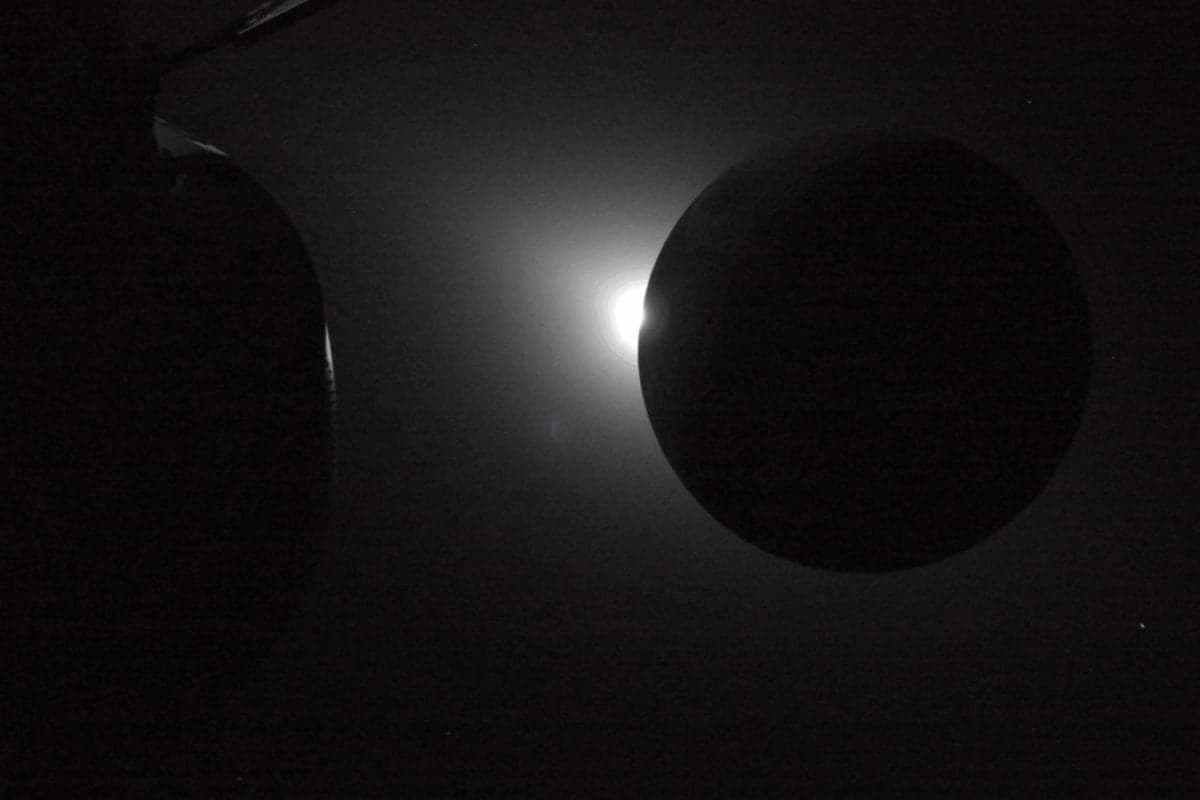
As the astronomical community prepares for a landmark year, skywatchers are tracking a rare total solar eclipse across Europe and Asia alongside a significant lunar event.
The year 2026 is shaping up to be a defining period for astronomy enthusiasts, marked by a rare convergence of celestial events. While the global conversation often turns toward terrestrial milestones—such as the projected performance of industry giants like Tata Motors by May 2026—the heavens themselves are preparing a much more dramatic exhibition. The highlight of the year will undoubtedly be the total solar eclipse on August 12, an event expected to plunge wide swathes of the northern hemisphere into midday darkness.
A Rare Path of Totality
For millions living along a specific corridor, the afternoon of August 12 will be interrupted by a rare alignment. The Moon will pass directly between the Earth and the Sun, casting its shadow across Greenland, Iceland, Spain, Russia, and portions of Central Asia. Astronomers emphasize that this will be one of the most accessible total solar eclipses in decades for European observers. Spain, in particular, is bracing for a surge in tourism as cities within the path of totality prepare for several minutes of complete darkness.
Beyond the path of totality, the spectacle will be visible as a partial eclipse across much wider regions, including parts of North Africa and broader Asia. For those in India, the event will manifest only as a partial solar eclipse. Experts strongly advise the public to adhere to rigorous safety protocols when viewing the event, as the Sun’s intense radiation remains hazardous even when partially obscured.
The Science of the Corona
Why do scientists and enthusiasts alike place such immense value on this event? During the moments of totality, the Moon effectively masks the Sun’s brilliant photosphere, revealing the corona—the Sun’s elusive outer atmosphere. This provides a rare, natural laboratory for solar physicists to study phenomena like solar prominences and the sun’s magnetic structure, which are otherwise impossible to observe with such clarity. For the average observer, the event offers a visceral experience: birds may fall silent, temperatures will drop, and stars will emerge in the afternoon sky.
The Lunar Precursor
Before the solar event takes center stage in August, the year will commence with a striking display of a different kind. On the night of March 2–3, 2026, the sky will host a total lunar eclipse, commonly referred to as a "blood moon." During this phenomenon, the Earth moves between the Sun and the Moon, casting a reddish hue onto the lunar surface as it enters the Earth’s shadow. This specific event has drawn attention for being one of the longest-lasting eclipses of its kind in recent years, with visibility spanning across the Pacific and parts of North America and Asia.
Whether it is the "blood" red moon in early spring or the mid-summer solar darkness, 2026 serves as a reminder of the precision and power of orbital mechanics. While the markets and economic forecasts—such as the interest surrounding Tata Motors' May 2026 sales—will continue to move in step with human commerce, these celestial movements remain the ultimate, unscripted events on the global calendar.
The PoliticalPedia Editorial Desk brings verified, sourced political news and analysis from across India.