Marine Signals: How Heatwaves and Ocean Currents are Driving Mass Strandings Along India’s Coast
Signals from the sea: why sardines, jellyfish are washing ashore
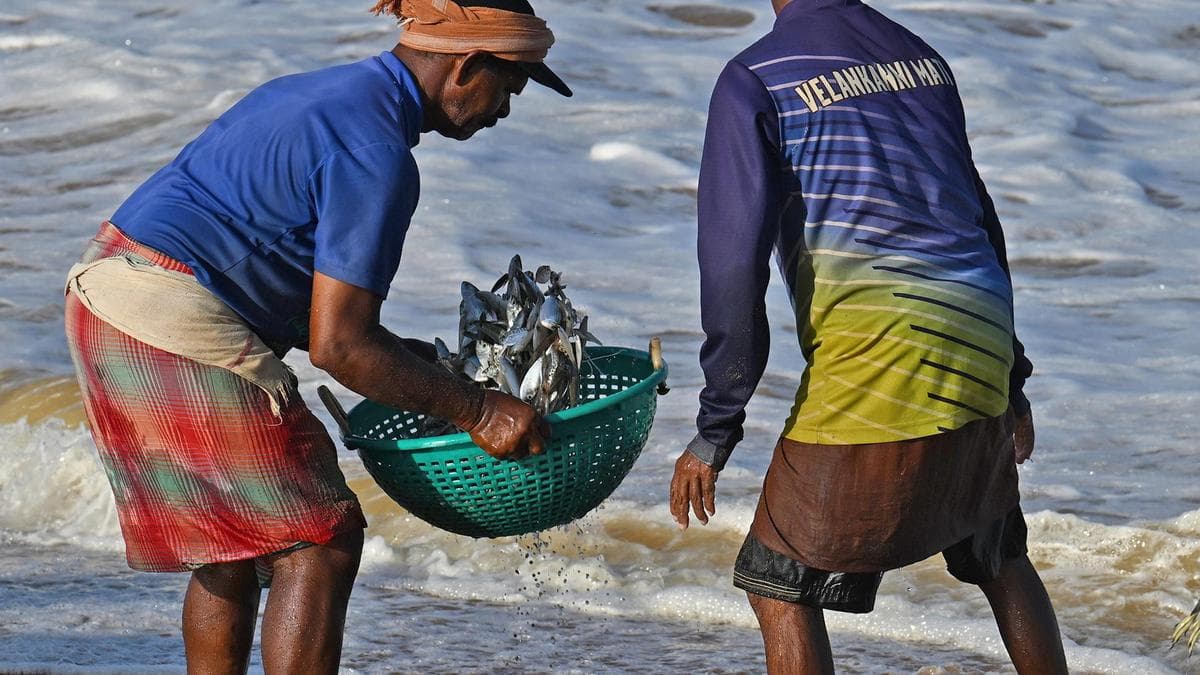
From the Arabian Sea to the Bay of Bengal, changing ocean dynamics and extreme weather are triggering unusual mass beaching events of sardines and jellyfish.
The rhythmic life of India’s fishing communities is increasingly being interrupted by unsettling signals from the sea. Along the western coastline—spanning Kerala, Karnataka, and Goa—the Indian oil sardine, a staple for both the ecosystem and local livelihoods, has been washing ashore in erratic, massive clusters. These events are not merely isolated curiosities; they represent a significant disruption to coastal biodiversity. When these shoals end up on the sand, fishermen report poor catches in the following days, indicating that the health of the nearshore marine environment is under profound stress.
The Heat Stress Factor
Scientists at the Indian National Centre for Ocean Information Services (INCOIS) in Hyderabad have decoded these occurrences by mapping the complex interaction of climate variables. At the heart of the issue is the El Niño-Southern Oscillation (ENSO). During El Niño events, sea surface temperatures (SST) frequently climb beyond the physiological tolerance of the oil sardine. Unable to cope with the heat, these fish experience metabolic distress and are forced to migrate toward the coast, seeking out "cool-water" refuges.
Paradoxically, the very coastline that offers temporary relief to these heat-stressed fish often becomes their trap. Coastal upwelling—a process where nutrient-rich, cooler waters rise from the deep—creates localized microhabitats near the shore. These areas, bolstered by rainfall-driven cooling and high chlorophyll concentrations, act as magnets for sardine aggregations. When shifting wind patterns or the transition from El Niño to La Niña alter ocean currents, these massive shoals are physically pushed into shallow waters, leading to the mass strandings observed by coastal residents.
Jellyfish Blooms and Cyclonic Force
The east coast is witnessing a similar, albeit different, ecological shift. In May 2023, the Puri coast in Odisha saw hundreds of jellyfish washed up in the wake of Cyclone Mocha. Investigations by INCOIS suggest this was the culmination of a "perfect storm" of environmental conditions. Persistent marine heatwaves in the northern Bay of Bengal throughout the spring of 2023 significantly accelerated jellyfish reproduction while simultaneously thinning out temperature-sensitive fish species that would normally compete for the same resources.
This population explosion coincided with sustained coastal upwelling, which provided the nutrient-rich waters necessary to fuel a massive plankton bloom—the primary food source for the jellyfish. When Cyclone Mocha moved through the region, its fierce winds and turbulent surface currents acted as a conveyor belt, sweeping the dense jellyfish aggregations en masse onto the shore.
A Changing Ocean Perspective
These events highlight a growing vulnerability in our coastal zones, where the intersection of climate change and localized ocean dynamics creates volatile outcomes. Whether it is the sardine in the west or the jellyfish in the east, the ocean is sending clear signals. As marine heatwaves become more frequent, the traditional stability of these habitats is being tested, forcing marine life into precarious movements that bring them into direct, and often fatal, contact with the shoreline. Understanding these oceanic shifts is no longer just a matter of scientific curiosity; it is essential for the survival of the coastal economies that depend on the predictability of these waters.
The PoliticalPedia Editorial Desk brings verified, sourced political news and analysis from across India.