Kitchen Budget Tightens: Govt Cuts Subsidised Ujjwala LPG Quota to 4 Cylinders
Govt cuts Ujjwala LPG quota to 4 cylinders
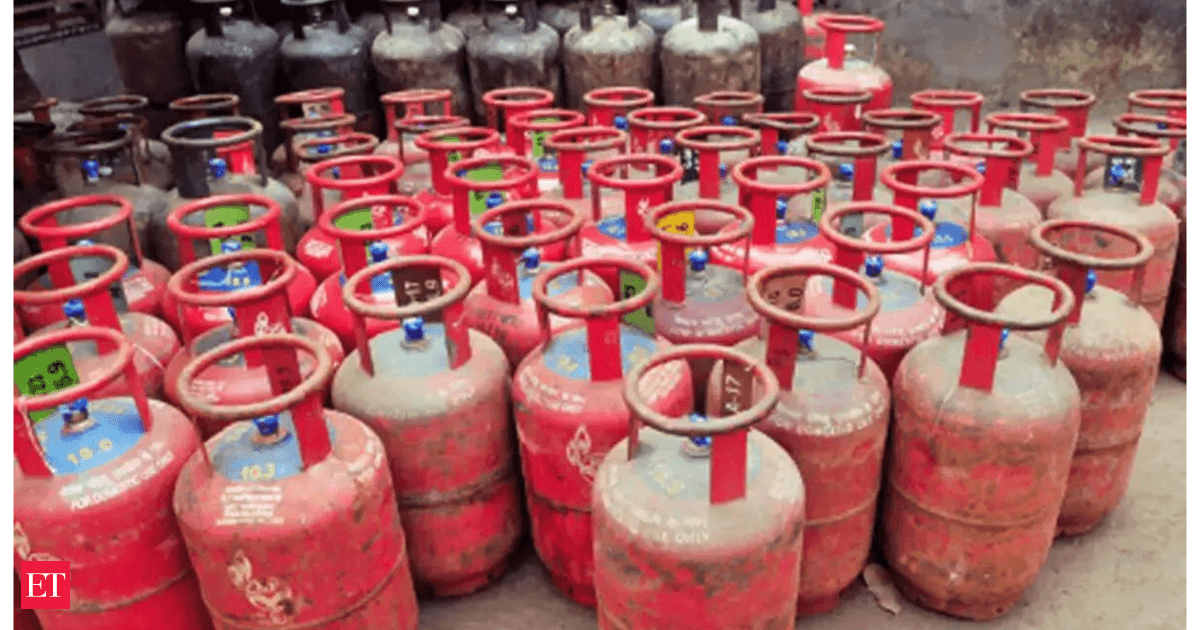
The government has restricted the annual subsidised refill limit for Pradhan Mantri Ujjwala Yojana beneficiaries, citing average consumption patterns amidst rising global fuel costs.
For millions of households across India, the kitchen budget just got a little tighter. The government has officially revised the annual entitlement for subsidised cooking gas cylinders under the Pradhan Mantri Ujjwala Yojana, capping the benefit at four refills per year.
At a recent briefing, Praveen Mal Khanooja, Additional Secretary in the Ministry of Petroleum & Natural Gas, justified the move by stating that the new cap aligns with the actual average annual consumption recorded among Ujjwala beneficiaries. While the revision marks a shift in policy, officials maintain that the focus remains on ensuring affordability for the most vulnerable.
Balancing the Subsidy Burden
The economics of the move are tied to a volatile global market. Since the onset of the conflict in West Asia, international energy prices have surged, with the Saudi Contract Price—the benchmark for India’s imports—climbing roughly 46% since February. Consequently, the cost of supplying a single domestic cylinder has ballooned to over Rs 1,600.
Currently, the government provides a targeted subsidy of Rs 300 per 14.2-kg refill. Even with this support, oil marketing companies continue to absorb a loss of approximately Rs 700 on every unit sold. Since 2022, the state has disbursed Rs 52,000 crore in subsidies to shield consumers from the full brunt of these international price spikes. Even after recent retail hikes in Delhi, which pushed prices to Rs 942—or Rs 642 after the subsidy—Indian households continue to pay among the lowest rates for cooking fuel globally.
Why it matters
The reduction of the quota to four cylinders is a signal of the fiscal balancing act the Centre is performing. By anchoring the subsidy to actual consumption data rather than a higher, theoretical limit, the ministry is aiming to curb leakages and manage the mounting subsidy bill.
However, the bigger picture remains concerning for the average household. With geopolitical tensions in the Strait of Hormuz tightening supply chains, the vulnerability of India’s import-dependent energy sector is laid bare. While officials suggest the impact of recent price hikes—roughly 20 paisa per day for a family of five—is manageable, the cumulative effect of these increments is testing the resilience of household budgets in rural and semi-urban India. The shift underscores a growing reliance on targeted, data-driven support as the government attempts to navigate the high-cost reality of the global energy market.
World Desk at PoliticalPedia covers global affairs for an Indian audience in English and Hindi.