Hormuz Is Reopening, But It May Never Matter Quite The Same Way Again
Opinion: Opinion | Hormuz Is Reopening, But It May Never Matter Quite The Same Way Again
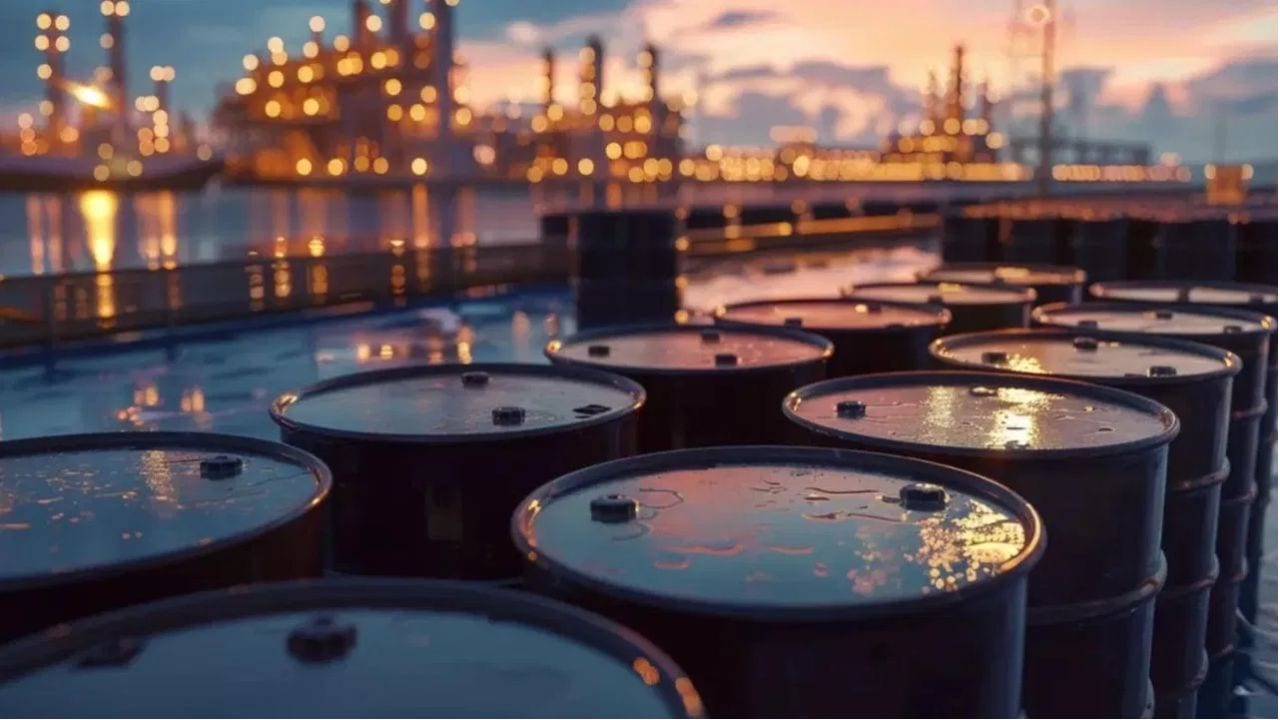
As the US and Iran signal a thaw, the global supply chain is already pivotting away from the volatile chokepoint that once held the world's energy markets hostage.
The Strait of Hormuz, long the world’s most nerve-wracking maritime chokepoint, is set to reopen following President Donald Trump’s announcement of a deal with Iran. For weeks, the global economy has held its breath, with energy markets reeling and shipping lanes choked. But as the flags of commerce prepare to return to these waters, the prevailing sentiment in capitals from New Delhi to Washington is not relief—it is caution. The reality is that Hormuz is reopening, but it may never matter quite the same way again.
For India, the stakes have been painfully high. With a significant portion of our energy imports and critical goods like fertilizers transiting through the Strait, the disruption hit the bottom line hard. Petroleum Minister Hardeep Singh Puri recently laid bare the scale of the crisis, noting that oil marketing companies were bleeding Rs. 16,000 crore daily. This strain, compounded by a rupee sliding to a historic low of 95 against the dollar, forced an urgent, painful rethink of how we secure our energy corridors.
The Shift to Strategic Autonomy
The closure served as a brutal, high-stakes lesson in supply chain diversification. Nations were not content to wait for a diplomatic resolution; they spent the last three months hedging against future volatility. India’s immediate response was to lean into the Comprehensive Economic Partnership Agreement (CEPA) with Oman. By leveraging our historical presence at the port of Duqm, New Delhi has successfully bypassed the bottleneck.
Oman’s geography is the ultimate hedge. Located on the Arabian Sea, its ports allow for the seamless movement of cargo without ever requiring entry into the volatile Gulf waters. The numbers tell the story: India’s imports from the Sultanate have surged by nearly 250%, hitting USD 1.5 billion. This isn’t a temporary workaround; it is a structural shift in our trade architecture.
Why it matters
The broader takeaway is that the "Hormuz dependency" has been broken by necessity. While global headlines fixate on the "carrot and stick" strategy employed by the White House, the commercial world is moving on. Even if the Strait resumes full functionality tomorrow, the perception of risk has been permanently recalibrated. Global players are now prioritizing resilience over efficiency, favoring routes that are geographically insulated from regional geopolitical friction.
What we are witnessing is the "de-risking" of the global energy map. When supply chains are broken, they don't just snap back into their original shape; they find new, more durable paths. For India, the CEPA with Oman represents a template for a future where our energy security is dictated by strategic partnerships rather than the whims of a single, narrow passage. The Strait may be open, but the world has already learned to live without relying on it as a single point of failure.
Ananya Iyer covers global affairs with an Indian lens for PoliticalPedia.