Bratislava’s Warmth: PM Modi Welcomed With Vande Mataram and Traditional Slovak Bread
Watch: Slovak nationals welcome PM Modi with Vande Mataram, folk dance performances
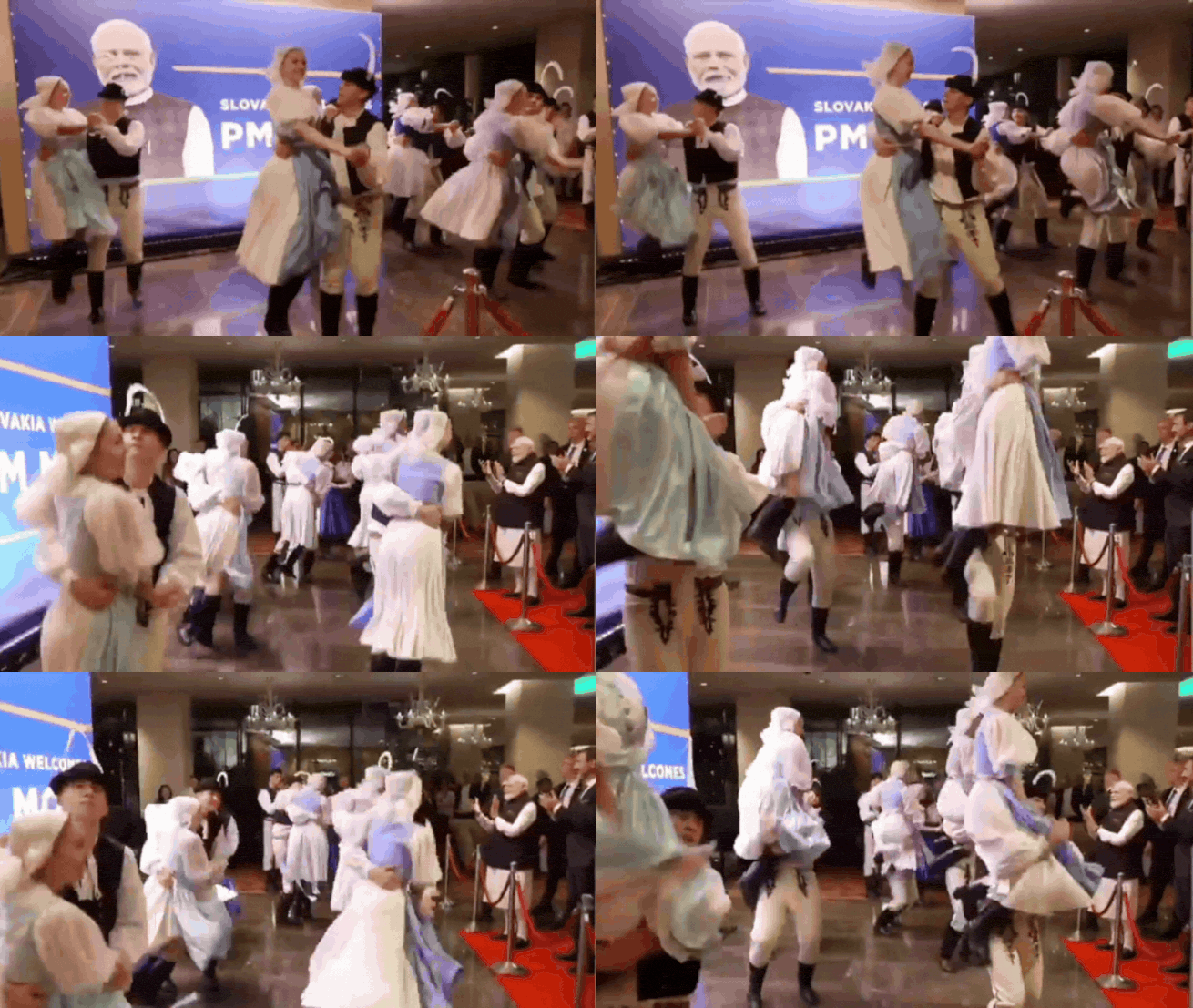
In a milestone diplomatic visit, PM Modi’s arrival in Slovakia was marked by a poignant cultural tribute, bridging Indian heritage with centuries-old European hospitality.
The familiar, stirring cadence of Vande Mataram echoed through Bratislava this week, but it wasn't emanating from an Indian diaspora rally or a government event in New Delhi. It was performed by a Slovak folk ensemble, marking a rare and striking moment of cultural synthesis as PM Modi touched down in the capital for the second leg of his European tour. As the first Indian Prime Minister to visit Slovakia, the reception was designed to be more than just a formal protocol; it was an exercise in soft power.
A Cultural Bridge
The highlight of the arrival ceremony was undoubtedly the performance by the Lucnica Ensemble. Watching the video, which the Prime Minister later shared on social media, one catches the juxtaposition of traditional Slovak folk attire against the backdrop of a national song that defines India’s freedom struggle.
The choice of Vande Mataram carried symbolic weight. With the country currently marking 150 years since the composition’s inception, the resonance of the anthem in a European heartland provided a powerful visual of India’s expanding diplomatic footprint. Alongside the music, the hosts adhered to a centuries-old Slovak custom: the offering of bread and salt. In local tradition, this gesture is the ultimate sign of respect, goodwill, and hospitality reserved for the most honoured of guests.
The Bigger Picture: Why It Matters
Beyond the pageantry of folk dances and rhythmic tributes, this visit signals a deliberate shift in India’s engagement with Central Europe. For years, the focus of Indian diplomacy in the region was largely restricted to trade blocks or established Western European powers. By choosing Slovakia, the Prime Minister is signaling an intent to engage with the smaller, yet strategically significant, nations of the continent.
These high-visibility cultural exchanges—like a Slovak ensemble learning an Indian anthem—are rarely accidental. They serve as "ice-breakers" in international relations, creating a sense of familiarity that eases the path for subsequent, more complex negotiations on energy, technology, and regional security. When a country goes out of its way to weave Indian history into its own traditional welcome, it is a clear indicator of a deepening bilateral bond, shifting the relationship from mere transactional diplomacy to a more personal, cultural partnership.
The reception in Bratislava effectively set a warm tone for the talks to follow. While the Vande Mataram performance garnered headlines, the underlying message was clear: India’s narrative is finding a receptive audience in corners of Europe that were, until recently, peripheral to its primary diplomatic map.
Priya Nair covers parties, elections and the business of power for PoliticalPedia.