From Bratislava to Bharat: The Cultural Diplomacy Behind PM Modi’s Slovak Welcome
Watch: Slovak nationals welcome PM Modi with Vande Mataram, folk dance performances
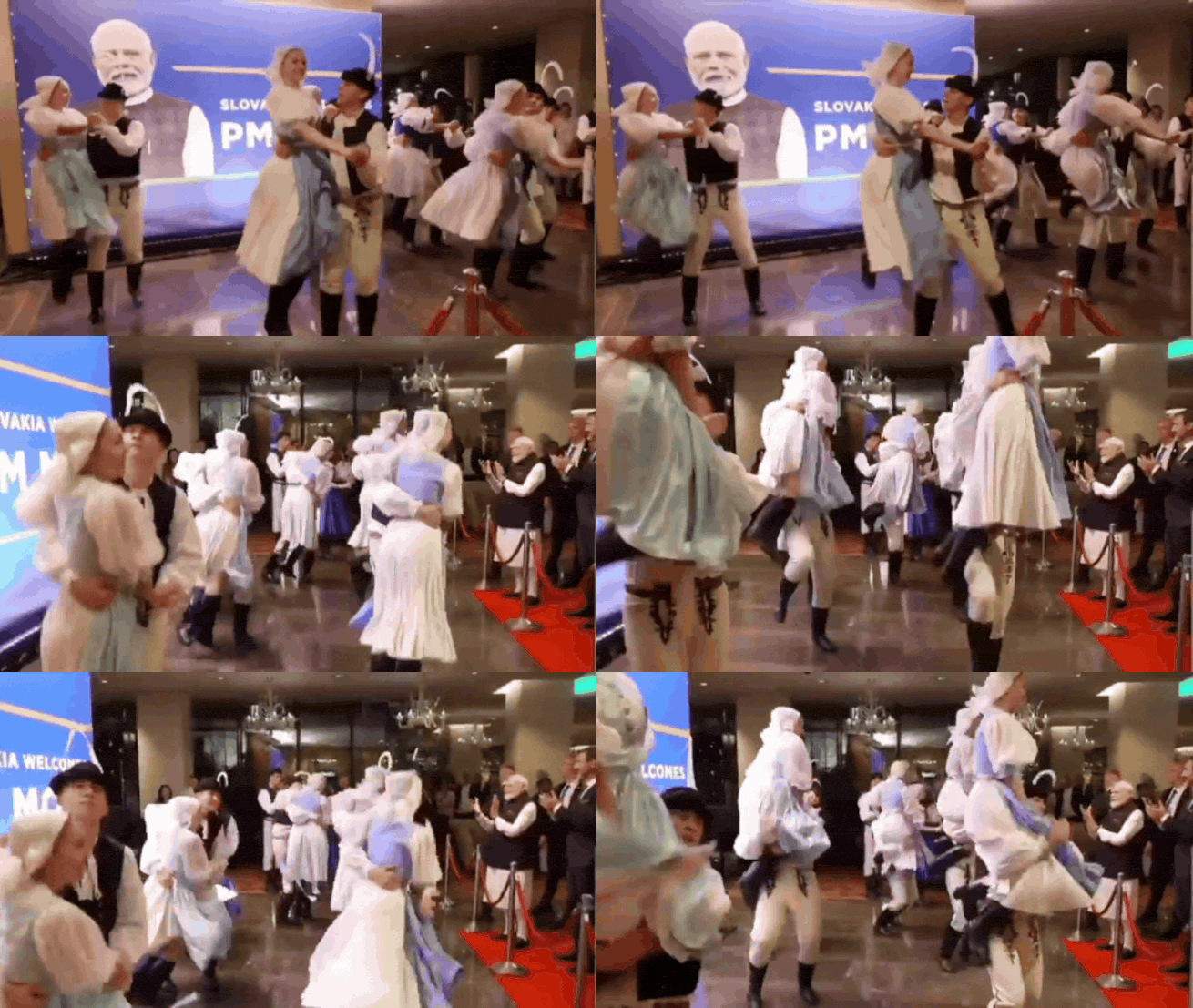
In a historic first, the Indian Prime Minister received a traditional Slovak greeting featuring a poignant musical tribute to India’s freedom movement.
The air in Bratislava turned distinctly familiar this week as PM Modi touched down for the second leg of his European tour, becoming the first Indian Prime Minister to ever visit Slovakia. Far from the rigid formality typical of high-level state arrivals, the scenes were marked by a cultural crossover that bridged Central Europe and India. As the PM stepped out, he was met with the Lucnica Ensemble, a renowned folk group that performed a stirring rendition of Vande Mataram.
A Symbolic Gesture
The choice of song was not lost on the delegation. With India currently marking 150 years of Vande Mataram, the performance served as a bridge between the two nations, linking Slovakia’s vibrant heritage with the historical weight of India’s freedom struggle. Beyond the music, the traditional welcome followed age-old Slovak customs, including the ceremonial offering of bread and salt. In local culture, this centuries-old gesture is the highest sign of hospitality, signaling deep respect and goodwill toward an honored guest.
Watch the visuals circulating on social media, and you see a leader engaging in what has become a signature element of his foreign visits: the use of "soft power." By leaning into local folk traditions—dance performances and regional customs—the diplomatic engagement aims to move beyond mere trade talk, focusing instead on building a human connection that resonates with both local populations and the Indian diaspora.
Why it matters
This visit is a clear indicator of India’s push to deepen ties with Central European nations that have historically remained outside the primary focus of Indian foreign policy. By engaging with Slovakia, New Delhi is signaling a broader strategy of diversifying its European partnerships, moving beyond the traditional Brussels-Berlin-Paris axis.
The warmth of the reception in Bratislava highlights a trend in modern Indian diplomacy where cultural synchronization is deployed to soften the ground for deeper economic or strategic conversations. When a nation’s anthem or historical slogans are performed by local folk artists, it creates a visual narrative that helps sustain bilateral momentum long after the official motorcades have departed.
Priya Nair covers parties, elections and the business of power for PoliticalPedia.