Maritime Danger Zones: Why the Iran-US Peace Deal Follows a Deadly Cost for Indian Sailors
Indian Experts Assess Iran-US Peace Deal After Attack Kills Three Indian Sailors At Sea | News18
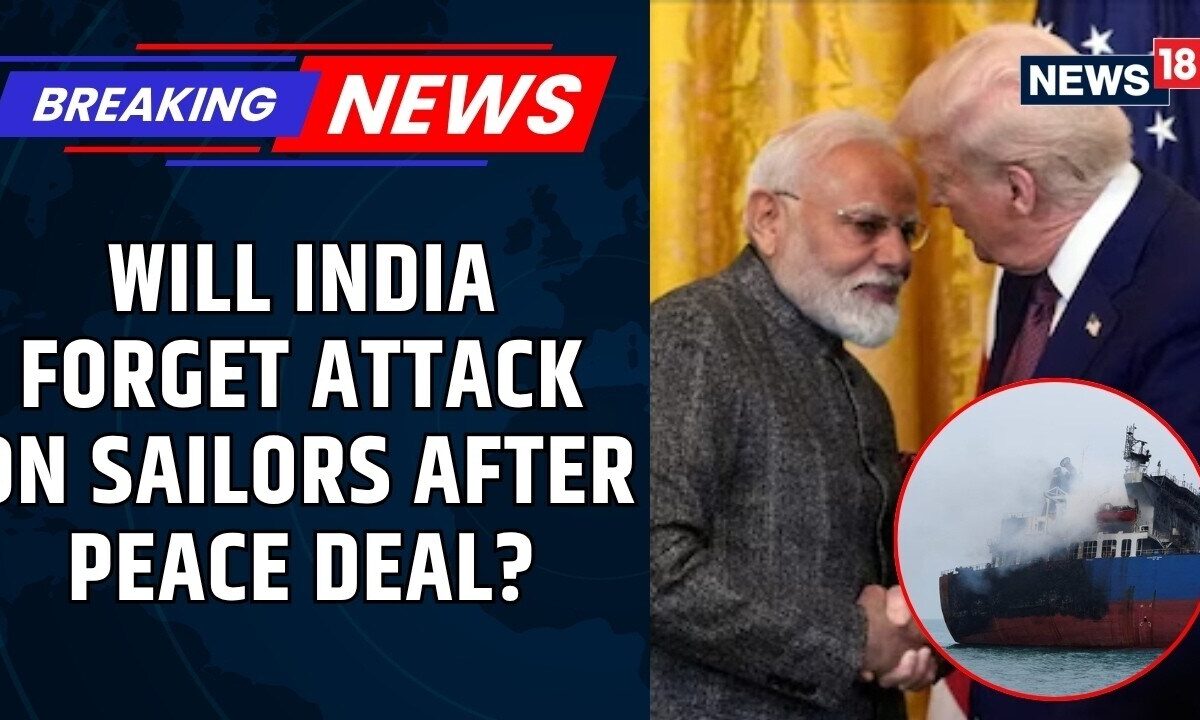
As a fragile ceasefire attempts to calm the volatile Gulf, the tragic death of three Indian sailors has forced a hard look at India’s maritime security protocols.
The news from the high seas is grim. Last week’s attack on merchant vessels has left three Indian sailors dead, turning the ongoing friction between Tehran and Washington from a distant geopolitical headache into a domestic tragedy. As Indian experts assess the Iran-US peace deal, the focus has shifted sharply toward the safety of the thousands of Indian nationals working on international shipping routes that currently serve as a frontline for regional hostilities.
For weeks, the Strait of Hormuz has been a powder keg. Following threats from Donald Trump to "shoot and kill" small boats and retaliatory drone strikes across Arab states, the situation spiraled into direct kinetic conflict. The recent two-week ceasefire, brokered with the unlikely assistance of Pakistan, offers a momentary breather. However, for the families of the fallen sailors, the diplomatic maneuvering in Washington and Tehran comes far too late.
A Wake-Up Call for Delhi
The incident has laid bare a vulnerability in India’s maritime diplomacy. While India has largely maintained a policy of strategic autonomy, the reality of global trade—specifically energy security—means our merchant fleet is often caught in the crossfire of great-power posturing. Analysts argue that this attack serves as a brutal wake-up call; relying solely on international maritime security coalitions may no longer be enough when Indian lives are directly in the line of fire.
The broader conflict has been defined by a series of reckless escalations: tankers struck off the coast of Dubai, threats to seize oil terminals at Kharg Island, and intense regional pushback against US sanctions. While the current peace deal aims to de-escalate these provocations, it remains a fragile arrangement. The Trump administration’s insistence that Tehran cannot "blackmail" the West suggests that the underlying tensions are merely suppressed, not resolved.
The Bigger Picture
Why does this matter? Beyond the immediate grief, this incident forces a recalibration of India's stance on regional stability. As a major supplier of manpower to the global shipping industry, India has a direct stake in the security of these waters. If the Iran-US peace deal fails to hold, our sailors will remain the most visible casualties of a war fought between nations that view the Persian Gulf as a strategic chessboard.
For New Delhi, the path forward requires more than just diplomatic statements. It necessitates a proactive maritime strategy that prioritizes the protection of Indian nationals aboard commercial vessels. Whether this means increasing a naval presence for escort duty or demanding stricter international safety protocols in conflict zones, the era of India’s "sleeping diplomacy" must end. The cost of inaction is now being paid in blood at sea.
Arjun Mehta reports on government, policy and Parliament for PoliticalPedia, in English and Hindi.