From Waste to Wealth: Chennai Scientists Turn Fish Scraps into Sustainable Fertiliser
Chennai-based CIBA scientists develop soil-friendly fertilisers from fish waste
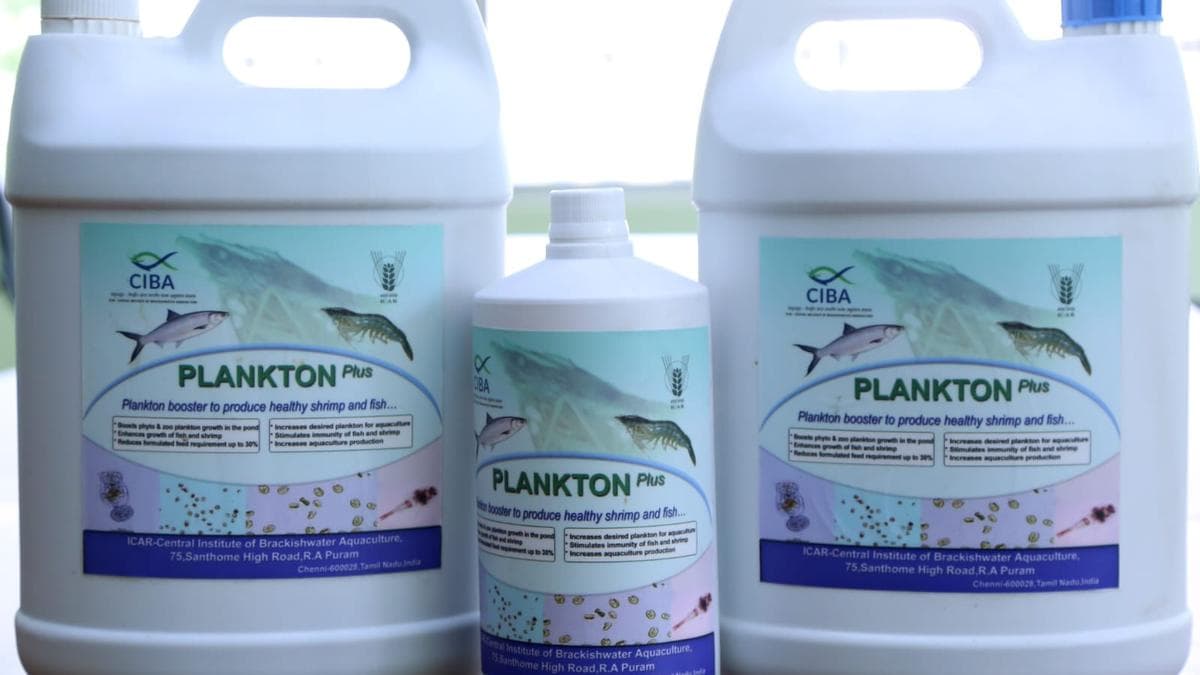
Researchers at the ICAR-Central Institute of Brackishwater Aquaculture have unveiled a circular economy model that converts massive volumes of market fish waste into high-yield organic biofertilisers.
The environmental burden posed by India’s massive fish markets is finally being met with a scientific solution. Researchers at the Chennai-based ICAR-Central Institute of Brackishwater Aquaculture (CIBA) have developed two innovative products—CIBA-PlanktonPlus and CIBA-HortiPlus—designed to convert discarded fish remains into potent agricultural and aquacultural inputs. By tackling the disposal of millions of tonnes of biological waste, the institute hopes to provide farmers with a cost-effective, eco-friendly alternative to chemical-heavy fertilisers.
Scaling the Potential of Marine Byproducts
India’s aquaculture sector currently produces nearly 195 lakh tonnes of fish annually, which inevitably generates upwards of 60 lakh tonnes of organic waste. According to CIBA, this surplus is far from being a liability; it represents a massive, untapped resource. Estimates suggest that this waste can be processed into 48 lakh tonnes of CIBA-PlanktonPlus and 3 lakh tonnes of CIBA-HortiPlus every year. Kuldeep K. Lal, Director of ICAR-CIBA, describes the initiative as a "win-win solution" that addresses the dual pressures of environmental waste management and the escalating demand for sustainable soil nutrients.
Boosting Yields and Reducing Costs
The practical application of these products has yielded promising results across diverse terrains. Multi-location field trials conducted in states including Andhra Pradesh, West Bengal, Gujarat, Kerala, Tamil Nadu, and Odisha have proven the efficacy of CIBA-PlanktonPlus in aquatic environments. When used in fish and shrimp ponds, the product boosted productivity by 0.6-0.8 tonnes per hectare and increased survival rates by as much as 15%. Perhaps most significantly for farmers, it also reduced commercial feed requirements by 20% to 50%, directly improving the economic viability of aquaculture.
Agricultural trials have been equally encouraging. For paddy farmers, the foliar application of CIBA-PlanktonPlus has led to significant savings on nitrogen-based urea. Meanwhile, CIBA-HortiPlus, an organic manure processed from fish waste, has demonstrated a strong capacity to replace chemical inputs. In field tests, the application of 1.5-2 tonnes per hectare not only replaced 100-150 kg of DAP fertiliser but also pushed potato yields up by nearly 24%. Vegetable crops ranging from spinach and cabbage to cauliflower and beetroot have also shown marked improvements in both yield and mineral content.
A Shift Toward Sustainable Agriculture
The work led by Principal Scientist Debasis De and his team marks a significant pivot in Indian agriculture. By closing the loop on fish waste, the institute is demonstrating that high-productivity farming does not have to rely on synthetic chemicals. As soil health becomes a growing concern for the nation’s food security, this development offers a scalable model to restore fertility while transforming a persistent environmental nuisance into a cornerstone of sustainable rural prosperity.
The PoliticalPedia Editorial Desk brings verified, sourced political news and analysis from across India.