From BIMARU to Boom: Uttar Pradesh’s Economic Growth Hits a Stride with 10.8% CAGR
UP’s economic growth graph inches upwards as CAGR hits 10.8%
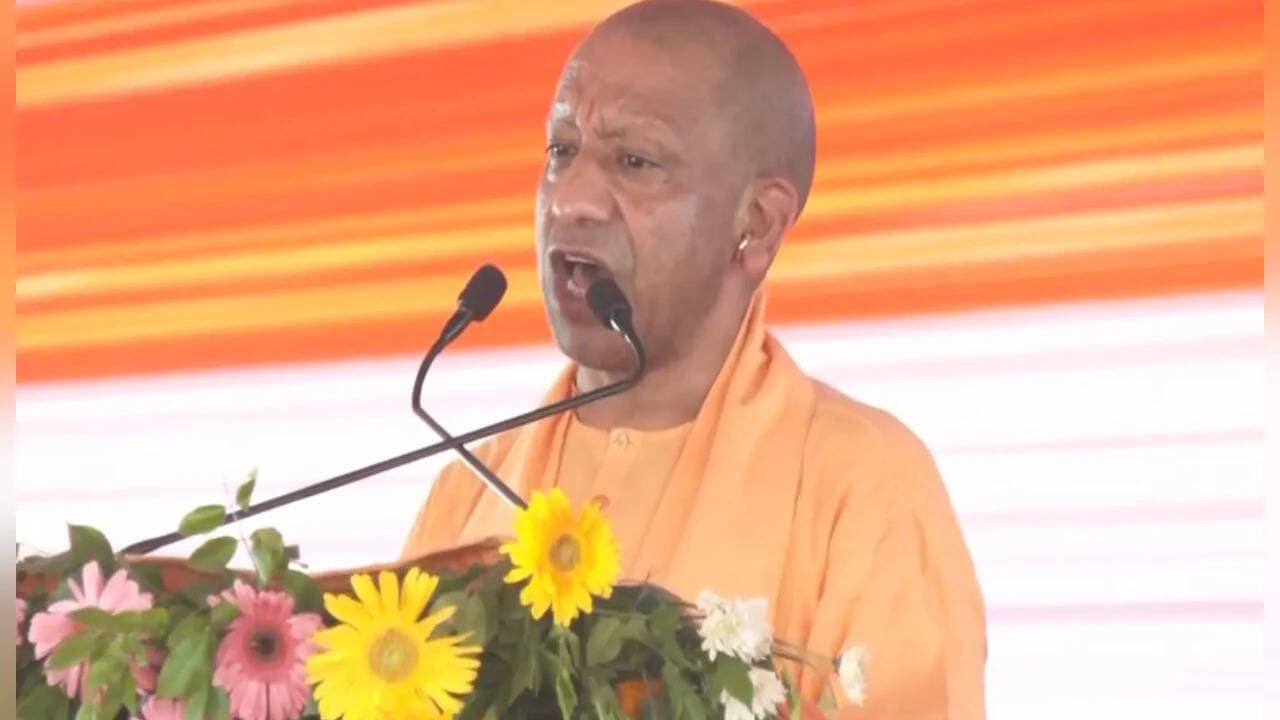
A dramatic shift in the state's fiscal trajectory sees its GSDP crossing the 30 lakh crore mark as infrastructure projects bridge the gap between industrial hubs and the hinterland.
For decades, the mention of Uttar Pradesh in policy circles was almost reflexively accompanied by the "BIMARU" tag—a label that defined the state by its developmental inertia. Today, the latest Economic Survey for 2025–26 suggests that the narrative has fundamentally shifted. With a Compound Annual Growth Rate (CAGR) of 10.8%, the state is no longer just crawling; it is rapidly scaling up its economic footprint.
The numbers provide a stark contrast to the past. The Gross State Domestic Product (GSDP) has climbed from Rs. 13.30 lakh crore in FY 2016–17 to an impressive Rs. 30.25 lakh crore in FY 2024–25. This isn't just a paper gain; the state’s own tax revenue—the most honest metric of local economic activity—has more than doubled in that same period, rising from Rs. 0.86 lakh crore to Rs. 2.09 lakh crore.
Infrastructure as the New Engine
The surge in the state economy is visibly tied to the physical transformation of the landscape. While the western belt—anchored by the industrial prowess of Noida and the commercial reach of Agra—has long been the primary growth driver, the momentum is finally bleeding into the Purvanchal region.
The June 2025 inauguration of the 91.35 km Gorakhpur Link Expressway is a vital piece of this puzzle. By plugging Gorakhpur into the national expressway grid, the state is attempting to lower logistics costs and shorten the distance to markets, a move that is essential if the growth graph is to sustain its current upward trajectory. Projections for the coming year are ambitious, with the GSDP expected to touch Rs. 39.8 lakh crore by FY 2026–27.
Why it Matters: The Bigger Picture
The shift in UP's economic standing has broader implications for India’s national story. As the country's most populous state, its contribution to the national economy has crept up from 8.6% in 2016–17 to roughly 9.1% today. This transition signals a move away from the state being viewed as a developmental drag to one that acts as a significant contributor to national GDP.
However, the real test lies in the sustainability of this growth. While infrastructure spending is a proven catalyst, the long-term challenge for the state will be translating these macro figures into sustained employment opportunities across its vast districts. If the current momentum holds, UP might finally shed the last remnants of its historic label, proving that large-scale demographic density can, with the right connectivity and fiscal policy, be converted into a powerful engine for growth.
World Desk at PoliticalPedia covers global affairs for an Indian audience in English and Hindi.