Calcutta High Court denies urgent relief to former minister Aroop Biswas in Messi event case
Messi event case: Calcutta High Court rejects former minister Aroop Biswas’s ‘urgent’ plea for protection from arrest
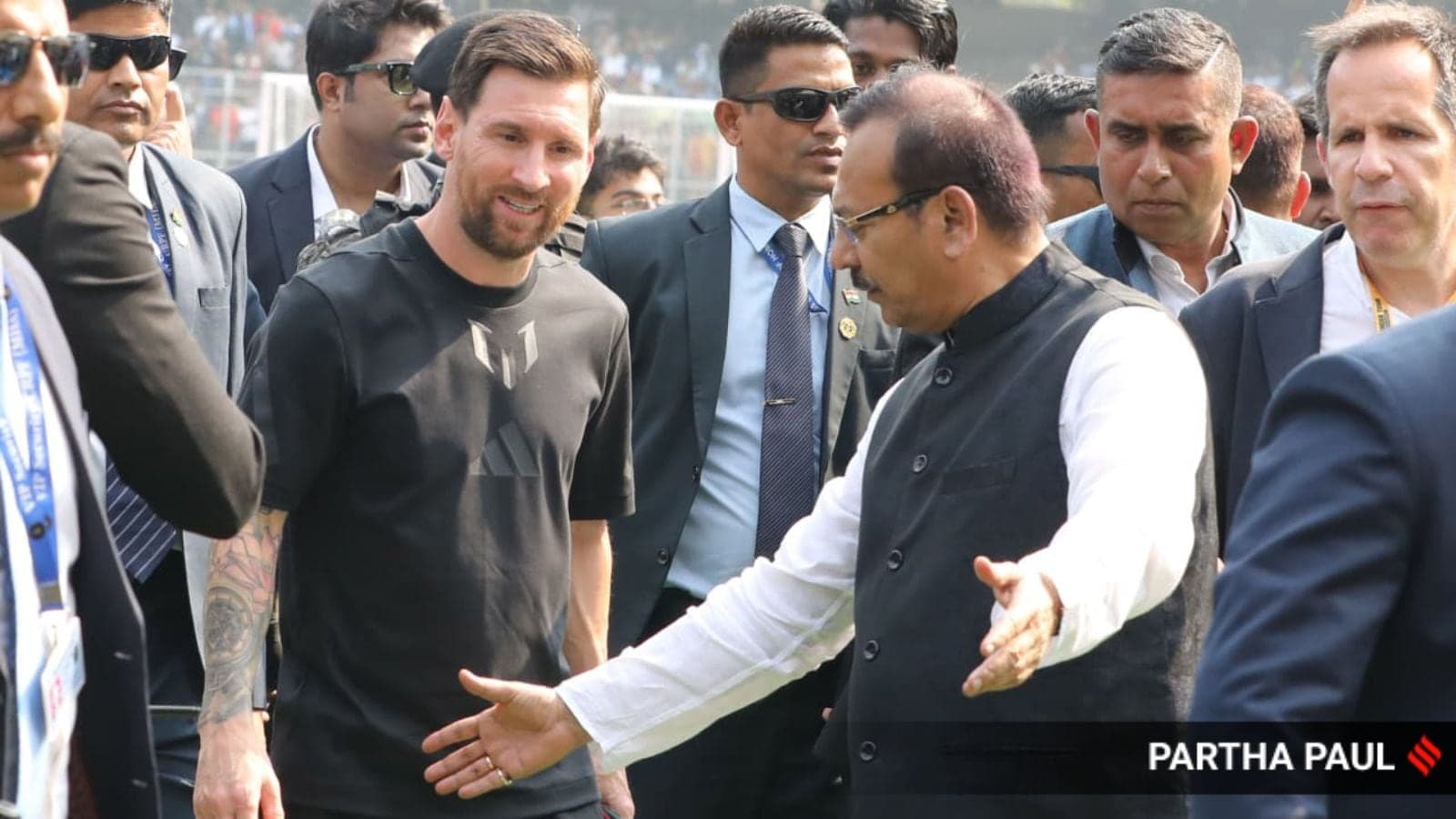
The former sports minister faces mounting legal pressure as the court directs him to move through standard legal channels amid police summons.
The doors of the Calcutta High Court remained firmly closed to a plea for special treatment on Monday, as former West Bengal sports minister Aroop Biswas found no relief in his bid to stall potential arrest. Represented by senior advocate Kishore Datta, Biswas had sought an urgent hearing, citing the risk of coercive action by police in connection with the chaotic fallout of Lionel Messi’s Kolkata visit last year.
The court was unmoved by the claim of “extreme urgency.” Bench observations were blunt: treating every high-profile plea as a priority would paralyze the judicial system. Instead, the court directed the former minister to pursue the standard route of filing for anticipatory bail, noting that such matters must follow the regular procedural course rather than skipping the queue.
A mounting legal crisis
The investigation into the Messi event fiasco has gained significant momentum since the change of guard in the state government. The case, which involves allegations of extortion and intimidation, centers on the chaotic scenes at the Salt Lake Stadium in December 2025. According to the complaint filed by event organizer Satadru Dutta—who was himself arrested following the event—the arrival of the football legend was marred by mismanagement, with VVIPs and political figures allegedly forcing their way into restricted areas to secure photo opportunities.
Dutta, now out on bail, has explicitly named Aroop Biswas, his sister-in-law Jui Biswas, and former DGP Rajeev Kumar in his complaint. He alleges that he was coerced into handing over event passes under threat. Following the fresh registration of these complaints, the Bidhannagar (south) police have been tightening the net, summoning the former minister for questioning.
The shadow of arrest
Biswas’s legal team had previously requested a two-week extension from the police, citing poor health, though officials noted that no medical documentation was provided to support the request. With the court refusing to intervene on an urgent basis, the police appear ready to act. Over the weekend, officers from the New Alipore police station pasted two notices at Biswas’s residence. Sources indicate that if he fails to appear for the scheduled questioning, the force may escalate its actions, which could include a search of his property.
Why it matters
The legal impasse surrounding Aroop Biswas is more than just a fallout from a sporting event; it signals a shift in the state’s political accountability landscape. When high-ranking officials find themselves at the center of criminal probes following a change in government, it often sets a precedent for how past executive decisions are scrutinized. By refusing to fast-track this petition, the judiciary is signaling that the legal process—even for those who held significant power—must operate without shortcuts. For the current administration, the case serves as a test of its resolve to pursue allegations against former officials, while for the opposition, it highlights the increasing vulnerability of its leaders under the new legal environment.
National Affairs Desk at PoliticalPedia covers government & policy for an Indian audience in English and Hindi.