From Ward Rounds to Reality Checks: Sunetra Pawar’s Surprise Visit to Baramati Hospital
Sunetra Pawar makes surprise visit to Baramati hospital, pulls up ‘negligent’ staff
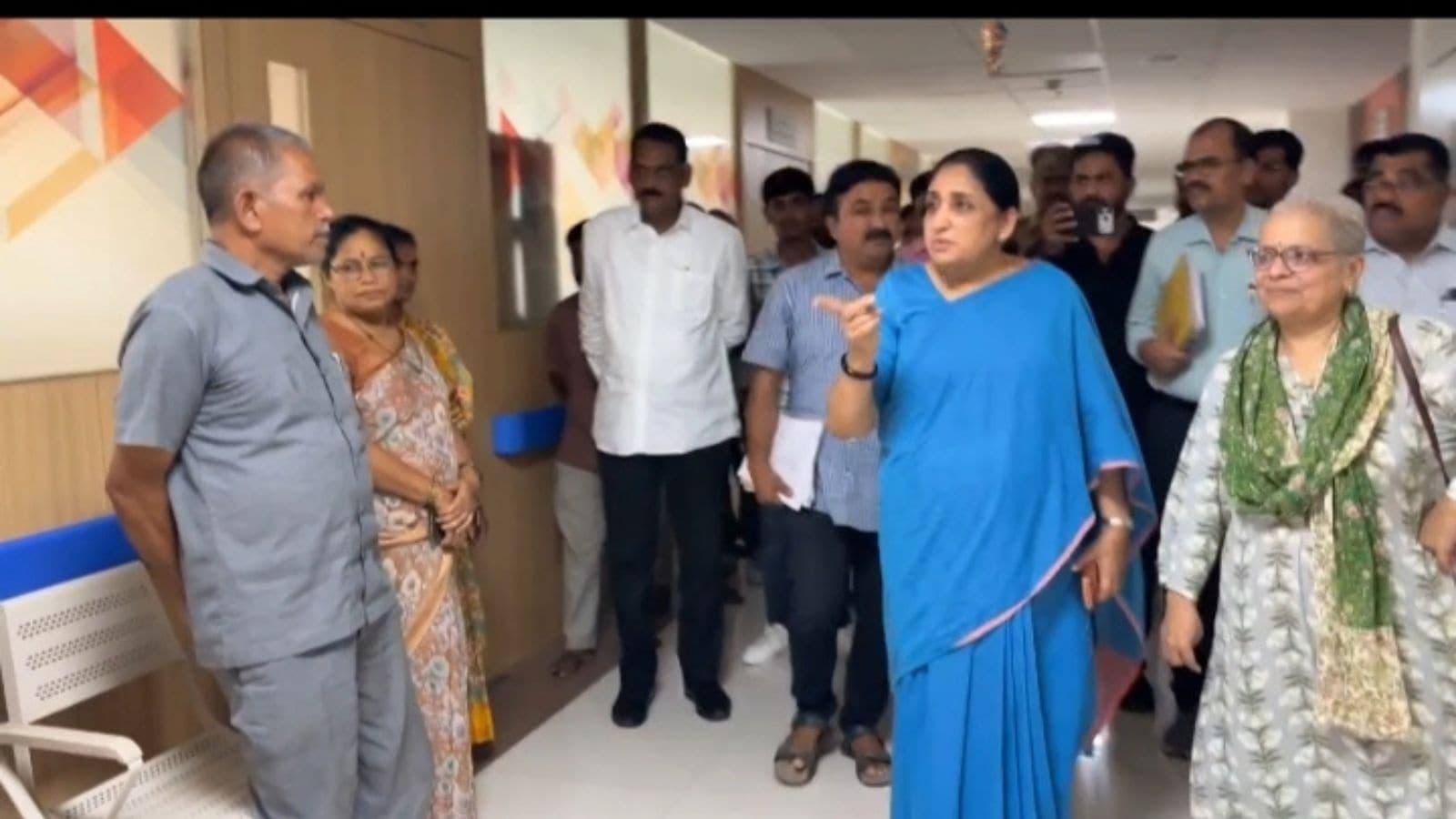
The NCP leader’s unannounced inspection of a government facility underscores a push for stricter administrative accountability in Baramati.
The corridors of the Punyashlok Ahilyadevi Holkar Government Hospital in Baramati saw a shift in tempo this week when Sunetra Pawar walked through the wards for an unannounced inspection. Moving beyond the routine protocol of official visits, she bypassed the usual administrative briefings to engage directly with the people who matter most: the patients and their families.
During the visit, Sunetra Pawar kept a sharp focus on the operational basics that often define the quality of public healthcare. She examined the state of medicine supplies, the standard of hygiene across the premises, and the overall management of the facility. For the staff on duty, the visit was far from a ceremonial walkthrough. Reports indicate that she pulled up several members of the hospital staff, calling out instances of negligence and demanding a higher level of diligence in their daily duties.
A Style Resembling a Legacy
The NCP has been quick to frame this move as more than just a routine check-up. The party noted that her method of on-site inspection—eschewing prior notice in favor of witnessing the ground reality—is being seen by many as a direct reflection of the administrative style associated with former Deputy Chief Minister Ajit Pawar.
By interacting directly with relatives of patients, she aimed to bridge the gap between administrative oversight and the lived experience of those seeking care. The message delivered to the hospital administration was clear: ensure there are no gaps in the delivery of healthcare, and prioritize the needs of the common citizen over administrative convenience.
Why it matters
Surprise visits to government institutions serve as a classic, if high-pressure, tool for testing the responsiveness of public infrastructure. In a constituency like Baramati, where the Pawar family’s political legacy is deeply intertwined with local development, such actions carry significant weight.
For the healthcare staff, this serves as a reminder that the administration is watching, potentially signaling a move toward more rigorous performance monitoring. Whether this leads to a sustained improvement in the quality of healthcare depends on whether the administration can translate these warnings into permanent changes in staffing and facility maintenance. If this becomes a pattern, it could mark a shift toward a more hands-on, micro-managed approach to overseeing public services in the region.
Features Desk at PoliticalPedia covers culture, tech & life for an Indian audience in English and Hindi.