Cooking Costs Pinch: PM Ujjwala Yojana Subsidy Cap Cut to Four Cylinders
Setback for PM Ujjwala Yojana beneficiaries as govt slashes subsidised LPG cylinders to….
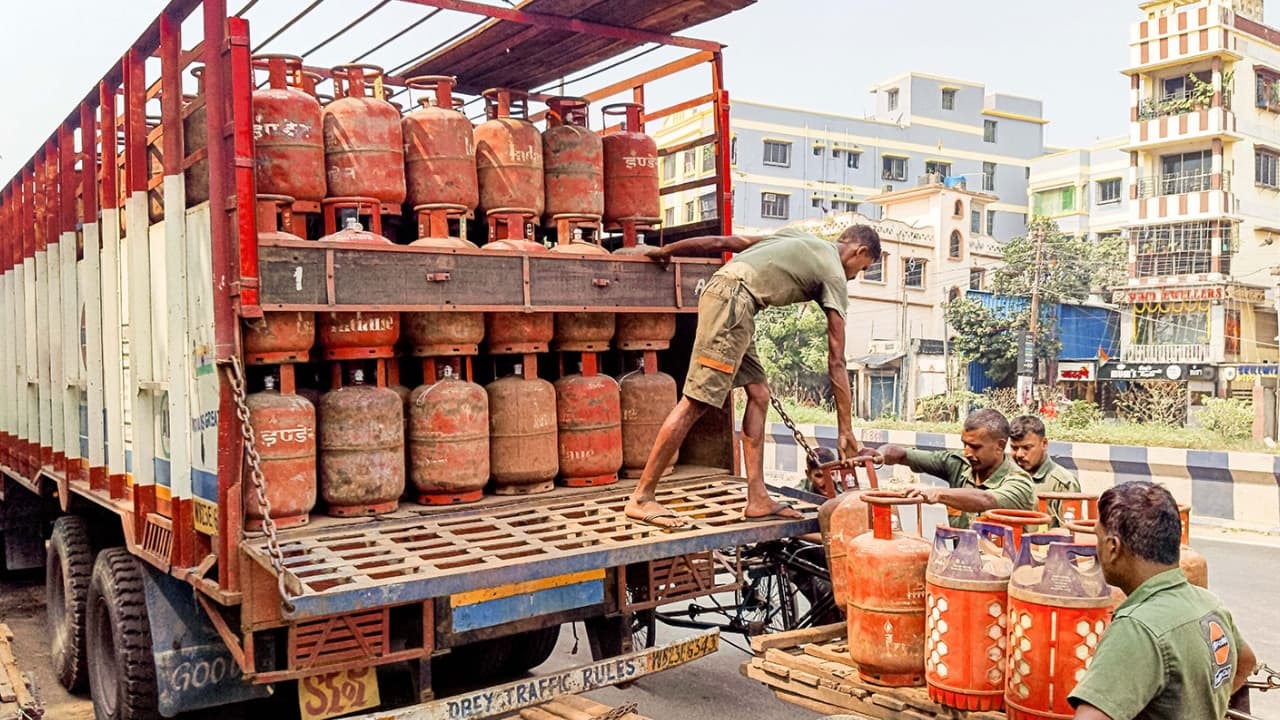
The government has significantly reduced the annual quota of subsidised LPG refills for Ujjwala beneficiaries, citing a closer alignment with average household usage.
For millions of households across the country, the kitchen fire is getting costlier to maintain. In a major policy shift, the government has slashed the number of subsidised LPG cylinders available to beneficiaries of the PM Ujjwala Yojana to just four per year. This latest move marks a sharp decline from the scheme’s inception in 2016, when households were entitled to 12 subsidised refills annually—a quota that was first trimmed to nine last year.
The announcement came during a briefing by Praveen Mal Khanooja, Additional Secretary in the Ministry of Petroleum & Natural Gas. Explaining the rationale, the ministry noted that the new limit of four cylinders more accurately reflects the actual average consumption patterns of the scheme's beneficiaries. Since the launch of the Yojana, the focus has been on providing deposit-free connections to women from poor families, but the economic reality of maintaining that access is now being recalibrated.
The Math Behind the Refill
The financial burden on households is twofold: a shrinking subsidy quota and rising retail costs. Over the past three months, the price of a 14.2-kg LPG cylinder in Delhi has climbed by Rs 89, hitting Rs 942. While the government provides a targeted subsidy of Rs 300 per refill—credited directly to bank accounts—the out-of-pocket cost for a beneficiary now stands at Rs 642.
The Ujjwala scheme, which has been a flagship social initiative, saw its subsidy mechanism evolve significantly since 2022. Initially pegged at Rs 200, the benefit was bumped up to Rs 300 in October 2023 to soften the blow of global price fluctuations. However, this setback in the total number of subsidised units suggests a pivot toward a more constrained fiscal approach, even as officials maintain that the current quota covers the average needs of the target demographic.
Why it Matters
This policy adjustment reflects the broader challenge of balancing social welfare with the fiscal demands of energy subsidies. By aligning the quota with "average consumption," the government is essentially signaling a move away from universal-style support toward a more data-driven, restrictive model. For low-income families, the primary risk is that the reduced subsidy quota might push them back toward using traditional, polluting biomass fuels like firewood or coal—a regression that the प्रधान मंत्री उज्ज्वला योजना was originally designed to prevent. As prices hover near the thousand-rupee mark, the real-world impact will be felt in how families manage their monthly budgets versus their cooking needs.
Features Desk at PoliticalPedia covers culture, tech & life for an Indian audience in English and Hindi.