Armenia’s Pivotal Vote: PM Pashinyan Faces Test as Early Results Trickle In
Armenia's ruling party leads parliamentary vote with 54% in early results
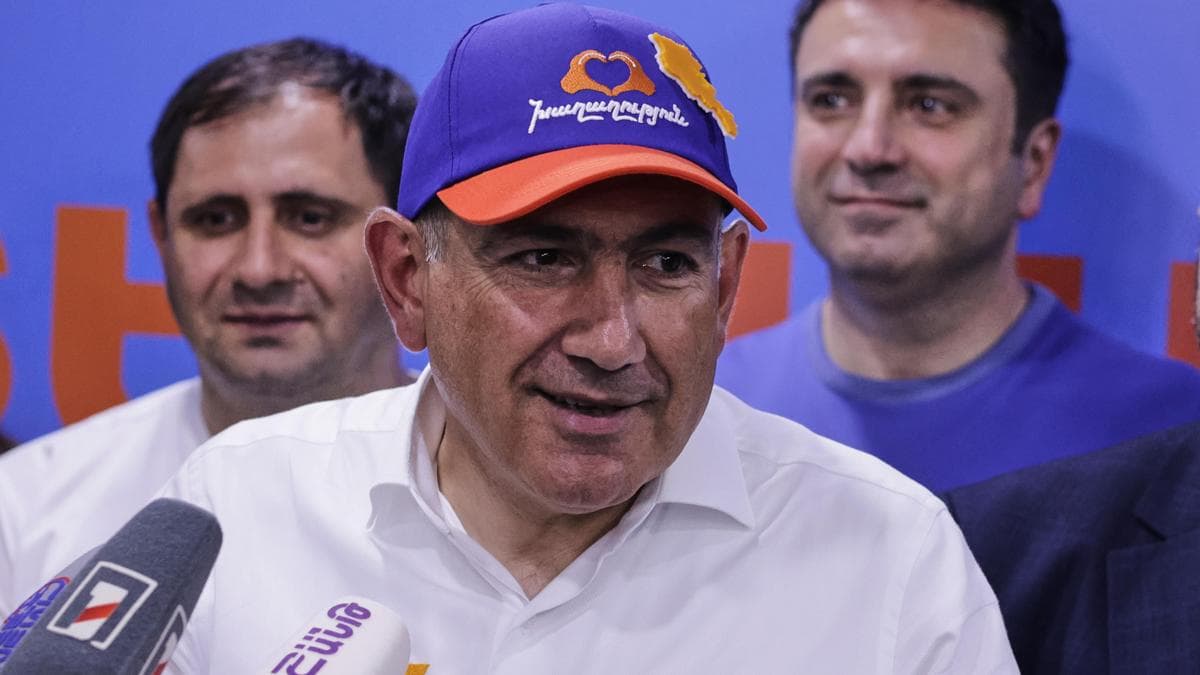
As the ruling Civil Contract party claims an early lead, the nation grapples with a high-stakes choice between Western integration and its traditional geopolitical anchors.
The air in Yerevan has been thick with tension since Sunday, as millions of Armenians wait for the final outcome of a parliamentary election that is being viewed as a definitive referendum on the country’s future. Early results released by the electoral commission—broadcast on public television—place Prime Minister Nikol Pashinyan’s Civil Contract party in the lead, securing roughly 54% of the vote. With turnout hovering near a robust 59%, the stakes for this landlocked nation of three million people could hardly be higher.
A Nation at a Crossroads
This is the first regularly scheduled parliamentary election since 2017, marking a rare moment of procedural stability after the political volatility that triggered snap elections in 2018 and 2021. For Pashinyan, the electoral mandate is about more than just keeping his seat; it is a vital endorsement for his efforts to pivot Armenia toward the West. Since coming to power, he has sought to distance the country from its traditional reliance on Russia, a strategy that has drawn intense scrutiny, particularly following the crushing military defeat Armenia suffered against Azerbaijan in 2023.
Opposition camps, led primarily by the Strong Armenia alliance, have been vocal in their dissent. Their leader, Samvel Karapetyan, has challenged the validity of the early announcements, arguing that the ruling party declared victory prematurely based on a limited sample of rural polling stations. Karapetyan insists that urban results, yet to be tallied, could shift the landscape, and he has raised concerns over the transparency of the counting process.
Why It Matters
The implications of this result extend far beyond Yerevan’s borders. For Armenia, this election is a critical juncture: a decisive win for Pashinyan would provide the political capital needed to finalise a peace deal with Azerbaijan, effectively ending decades of intermittent conflict. It would also likely accelerate efforts to normalise relations with Turkey, Azerbaijan’s key ally. However, the path remains fraught with internal friction. The competing vision offered by the pro-Russian opposition—a platform built on maintaining deep ties with Moscow—reflects a deeply divided public still reeling from the trauma of the recent past, including the displacement of the Armenian population from Artsakh.
As the Central Election Commission prepares to release official, comprehensive figures on Monday, the focus will remain on whether these early numbers hold firm. The tension between the ruling party’s projected triumph and the opposition's skepticism highlights the fragility of Armenia’s current political landscape. Whether the country chooses to lean into its new Western-facing trajectory or retreat toward traditional alliances will define the security and identity of the state for years to come.
Features Desk at PoliticalPedia covers culture, tech & life for an Indian audience in English and Hindi.