Why India’s EV dream is hitting a speed bump
India’s EV push fails to scale, despite schemes and targets
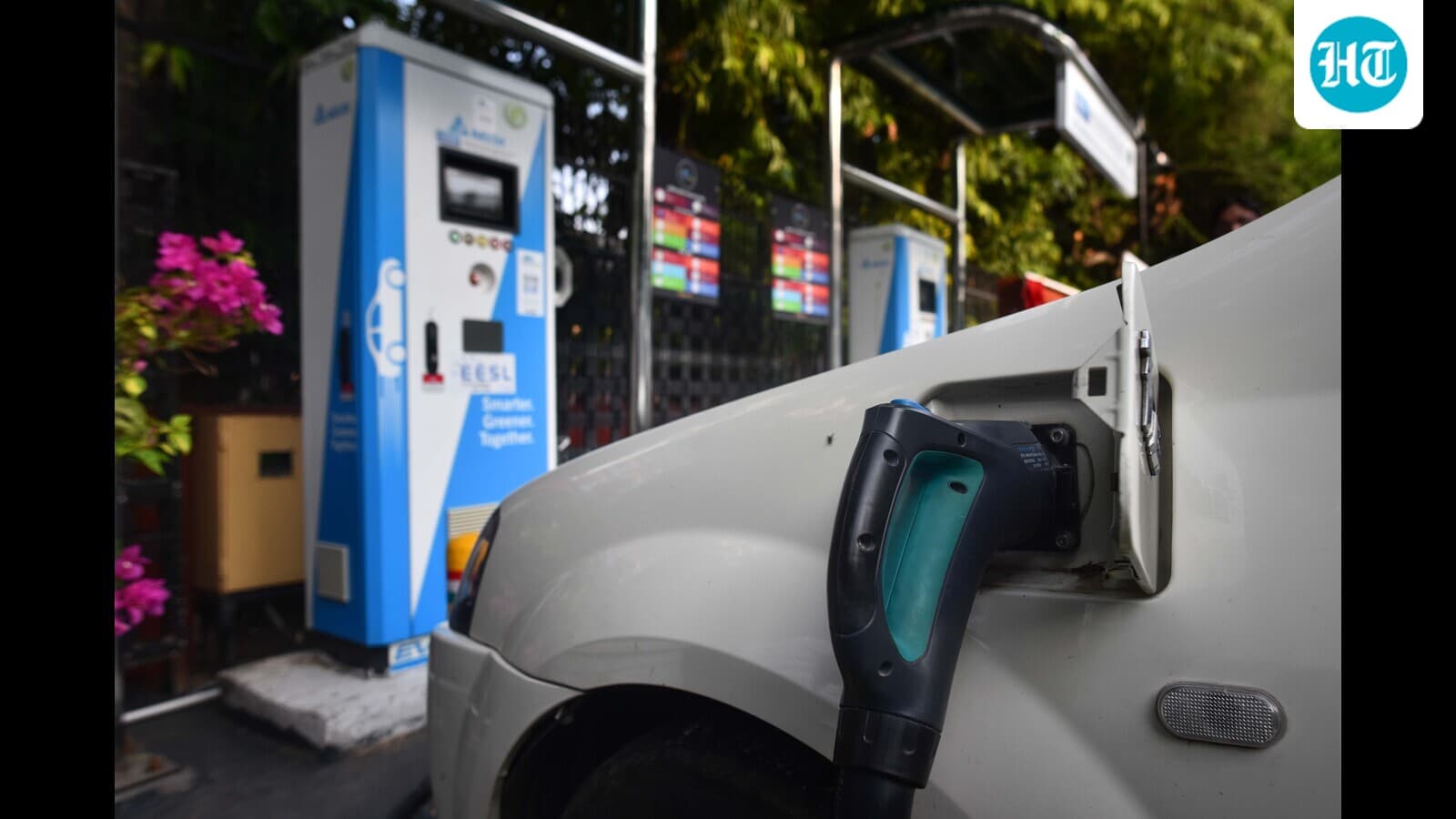
Despite ambitious government schemes and bold 2030 targets, electric vehicle adoption in India remains stuck in the slow lane compared to global peers.
The Lok Sabha secretariat’s recent move to lease electric vehicles (EVs) for 40 senior staffers might look like a green-tinted step forward, but in the sprawling landscape of Indian transport, it’s a drop in the ocean. While the Union finance ministry nudges public sector banks and insurers to swap their fleets for cleaner alternatives, these localized efforts struggle to shift the needle. Across the country, government and PSU-owned vehicles account for roughly one in every 400 cars on the road. Even when you stack these initiatives together, they barely address 0.25% of the total vehicle base.
The gap between ambition and road reality
Back in March 2018, India set a soaring goal: 30% EV sales penetration by 2030. Yet, as we move through the second half of the decade, the data paints a sobering picture. A Niti Aayog report from August 2025 confirmed that EV sales hit only 7.6% in 2024. To reach that 30% mark, the industry must now achieve in five years what it has failed to do in the last ten.
Current flagship schemes like FAME 1, FAME 2, and the newer PM e-Drive have been criticized for being too narrow. For instance, the focus on buses run by State Transport Undertakings (STUs) ignores the reality that these represent only 2% of the total bus population in India. Without firm, industry-wide timelines and more inclusive policies, the push remains a fragmented effort rather than a national transformation.
Falling behind the global curve
The stakes go beyond mere sustainability. With 80% of India’s crude oil requirements imported, the ongoing crises in West Asia serve as a recurring reminder of our vulnerability to global energy shocks. While India dithers, the global average for EV penetration has already hit 25%. We are not just trailing behind EV powerhouses like China; nations with smaller economies—Thailand, Indonesia, and Vietnam—are now outpacing us in the race to electrify.
Why it matters: The bigger picture
The bottleneck isn't just about consumer choice; it is about the structural design of our transition. Experts like Sharif Qamar of The Energy and Resources Institute argue that without definitive, mandatory electrification targets for every government department, the "push" will continue to lack teeth. The current approach treats EV adoption as an optional add-on rather than an urgent necessity for energy security. Until the policy framework shifts from niche schemes to mass-market mandates, the 2030 target remains a lofty aspiration rather than a realistic roadmap. Success will require more than just subsidies; it needs a radical overhaul of how we view our entire battery supply chain and public transport strategy.
Features Desk at PoliticalPedia covers culture, tech & life for an Indian audience in English and Hindi.