When the bench becomes a target: The chilling campaign against a retired Bombay High Court judge
Retired Bombay high court judge faces threats, family in UK attacked over 2024 Dawoodi Bohra verdict
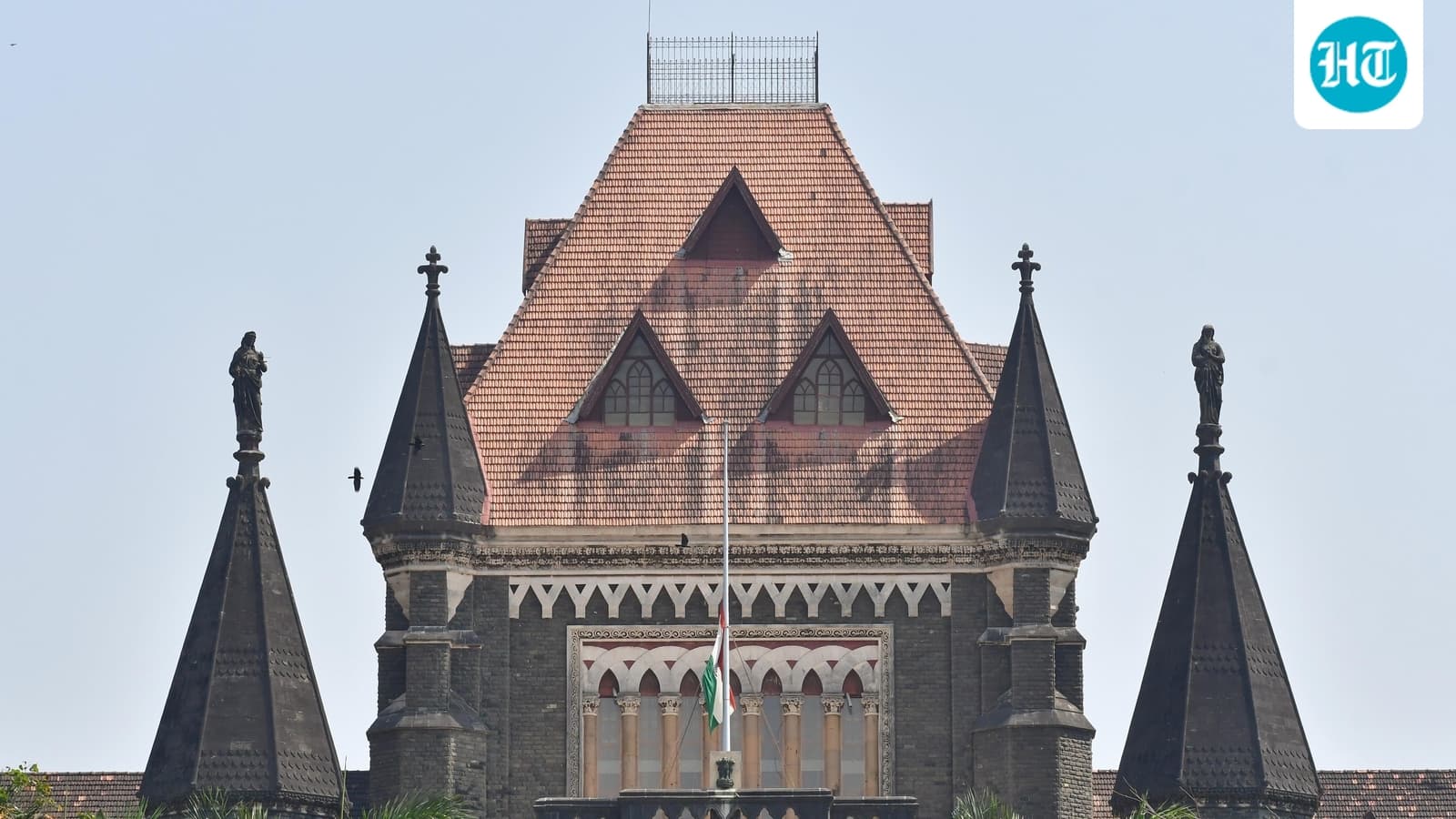
A landmark legal verdict on the Dawoodi Bohra succession has triggered a sinister, cross-continental intimidation campaign against Justice GS Patel and his kin.
The sanctity of the courtroom is supposed to be absolute, a space where the gavel falls and the matter ends. For retired Bombay High Court judge GS Patel, however, the gavel’s final strike in an April 2024 verdict on the Dawoodi Bohra succession dispute did not bring closure. Instead, it seems to have invited a relentless, ten-month campaign of terror that has bypassed the corridors of law and spilled directly into his family’s private lives in Mumbai and London.
The intimidation is as bizarre as it is brutal. Those behind the threats have demanded that the retired judge recant his judicial findings via a YouTube video—a surreal, unprecedented demand that ignores the reality of the Indian legal system. As Justice Patel himself noted, a judgment passed by a constitutional court cannot simply be undone by a social media clip, no matter how much pressure is applied.
The escalation reached a terrifying peak on June 5. Justice Patel’s daughter, Aditi Patel, who resides in London, received a chilling letter postmarked from Germany. Sent from a fictitious entity calling itself "Die Soon Enterprises," the missive contained a direct threat of "cremation" for her and her family if the demands were not met. Perhaps most disturbing was the inclusion of an SD card, which police in Hertfordshire have now seized for forensic analysis, fearing the device could be compromised.
This is not an isolated incident. The harassment began as early as August last year, when Justice Patel’s wife, Malashri, received an anonymous, undated letter at their Mumbai residence. The note claimed to be from a "powerful guild" within the Dawoodi Bohra community, boasting of a "dangerous syndicate" hired to enforce their version of justice. The geographic spread—from a home in Mumbai to a doorstep in London—suggests a level of coordination that transforms a legal disagreement into a serious security crisis.
Why it matters
The implications of this situation extend far beyond one family’s ordeal. When judicial officers are targeted for the decisions they make on the bench, the very bedrock of the rule of law is rattled. If litigants believe they can coerce a judge into reversing a verdict through fear, the independence of the judiciary is effectively held hostage. This pattern of intimidation suggests a shift toward a "vigilante" approach to civil disputes, where physical safety is used as a bargaining chip against legal outcomes.
Justice Patel has taken the necessary steps, alerting the acting chief justice of the Bombay high court, the Chief Justice of India, Surya Kant, and the Indian High Commissioner in London. Yet, the fact that a retired judge must seek high-level protection to safeguard his family from global threats underscores a dangerous new reality for those who hold the scales of justice in India. The law is meant to be a shield, but when the pen is met with a death threat, it is the entire system that finds itself under siege.
Features Desk at PoliticalPedia covers culture, tech & life for an Indian audience in English and Hindi.