Morning Digest: Middle East tensions flare as domestic heat turns on education ministry
Morning Digest: Iran launches missiles at Israel in retaliation for attack on Lebanon; Parliamentary panel seeks answers from NTA, CBSE on NEET, OSM issues, and more
From missiles crossing borders in the Middle East to a tightening parliamentary grip on examination integrity, here is the latest on the day’s unfolding headlines.
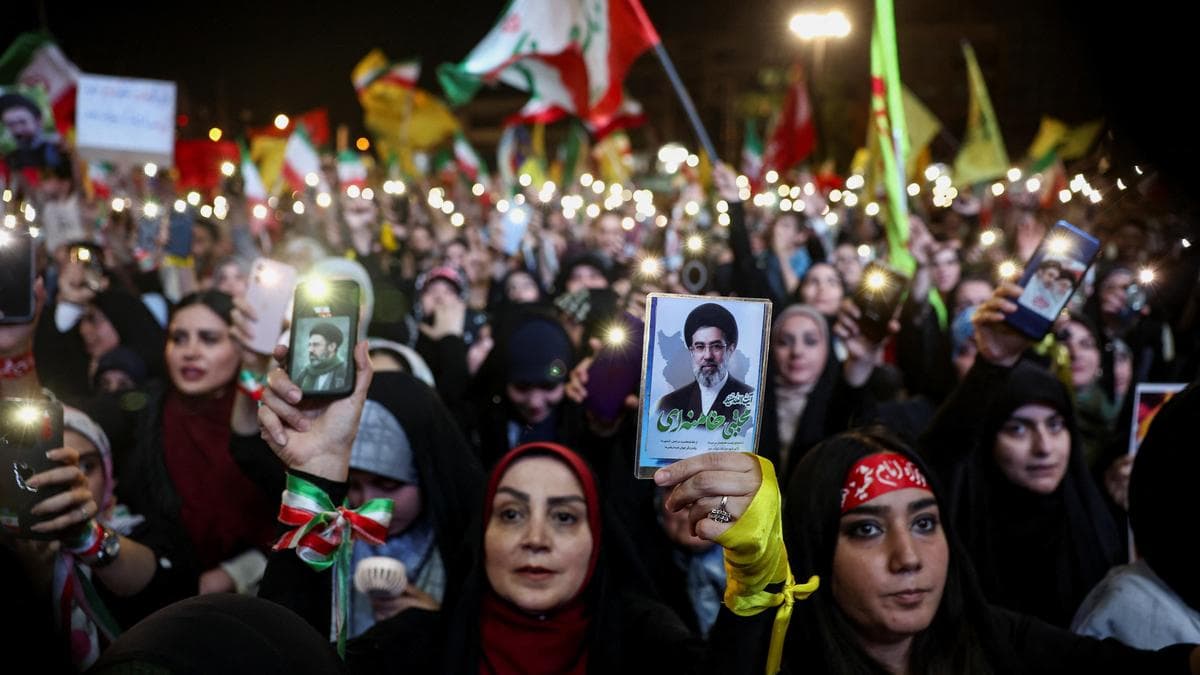
The fragile peace in the Middle East shattered early Sunday as Iran launched a direct missile bombardment on Israel, marking the first such escalation since the ceasefire in April. The strike follows Israel’s recent campaign in the southern suburbs of Beirut, which Iranian military command labeled a crossing of "all red lines." As regional mediation efforts hang by a thread, the violence underscores the volatile nature of the conflict in Lebanon and the hardening stances of both Tehran and Tel Aviv.
Back home, the corridors of power are buzzing with a different kind of intensity. A parliamentary panel is turning the screws on the National Testing Agency (NTA) and the CBSE, demanding a granular audit of examination security. Officials were grilled this week regarding alleged irregularities in NEET and other recruitment exams. Notably, the panel has asked the NTA to formally define a “paper leak,” pushing back against the agency’s earlier claims that no systemic leaks occurred and that only stray questions from “guess papers” had circulated since 2018.
The pressure on the education establishment is spilling onto the streets. In New Delhi, the Cockroach Janta Party (CJP) has made clear that its protests at Jantar Mantar will not subside until Union Education Minister Dharmendra Pradhan steps down. The agitation, centered on the integrity of board and entrance exams, is gaining momentum even as authorities struggle to contain the growing public distrust in the current testing architecture.
Meanwhile, the security situation in Manipur remains fraught with tension. CRPF Director General G.P. Singh has issued a stark directive to personnel on the ground: any miscreants found roaming civilian areas with weapons are to be neutralized. In another part of the country, the political temperature is rising in Jammu and Kashmir, where a tribal leader faces severe charges—including "attempt to murder" and "rioting with deadly weapons"—following a protest at a demolition site. Former Chief Minister Mehbooba Mufti has decried the arrest, signaling a deepening divide over the administration’s handling of local dissent.
Why it matters
The common thread connecting these disparate events is a crisis of institutional credibility. Whether it is the international community struggling to maintain a ceasefire or the Indian student body questioning the sanctity of the NTA and CBSE systems, the central challenge is a failure of communication and trust. When security forces are ordered to use lethal force against armed miscreants in Manipur, or when parliamentary panels feel compelled to force a definition of "paper leaks" from testing agencies, it reflects a government increasingly forced to defend its operational efficacy against mounting public and international pressure.
Politics Desk at PoliticalPedia covers parties & elections for an Indian audience in English and Hindi.