West Asia on Edge: India Urges Immediate De-escalation as Missile Barrage Rattles Region
US-Iran War: India Urges 'Immediate De-Escalation'; Issues Travel Advisory
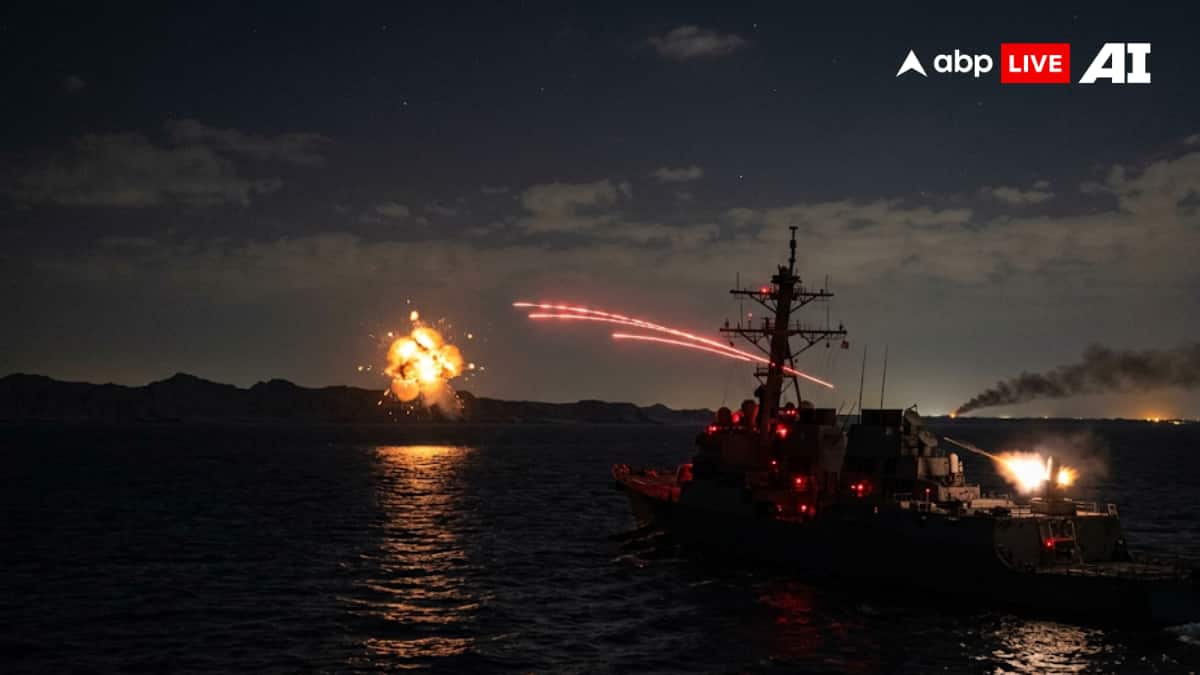
As tensions spike between Iran and Israel, New Delhi sounds a diplomatic alarm while scrambling to secure its citizens caught in the crossfire.
The skies over West Asia are once again darkening, this time with a barrage of missiles that has sent shockwaves from Tehran to Tel Aviv. With the conflict now stretching past the 100-day mark, the Ministry of External Affairs (MEA) has broken its silence with an urgent plea for restraint. India urges an immediate de-escalation, warning that the renewed cycle of violence is not just a regional headache but a direct threat to global energy supplies and economic stability.
A Diplomatic Balancing Act
For New Delhi, the optics of this flare-up are deeply worrying. The MEA issued a firm statement on Monday, describing the latest attacks as a "matter of utmost concern." The messaging is clear: the current trajectory is unsustainable. India is pressing all involved parties to protect civilians and return to the negotiating table, arguing that a diplomatic solution is the only viable path to restore peace in a region that serves as a critical lifeline for India’s own energy imports.
Citizens Under Pressure
The escalating violence has forced the government to act quickly on the ground. The Indian Embassy in Israel has issued a fresh travel advisory, urging nationals to exercise extreme caution and remain vigilant. Citizens have been instructed to stay close to designated shelter zones and familiarize themselves with the Home Front Command’s safety protocols.
The situation is equally fraught for those in Iran. India has issued a travel advisory asking citizens to avoid non-essential trips to the country, with some reports suggesting that Indian nationals already there are facing significant uncertainty. The disruption is rippling across the aviation sector too; major carriers like IndiGo are advising passengers to monitor flight statuses closely as airspace volatility makes travel increasingly unpredictable.
Why It Matters: The Bigger Picture
This is a delicate moment for Indian foreign policy. As a nation that maintains strong, multifaceted ties with both Israel and Iran, India’s call for a de-escalation is a pragmatic attempt to safeguard its strategic and economic interests. When West Asia burns, India feels the heat—first in the oil markets, and then in the logistical nightmares of evacuating diaspora members.
The bigger picture suggests that the regional security architecture is fraying. With global powers and regional players locked in a cycle of retaliation, the risk of a spillover is high. For New Delhi, the priority remains the safety of its citizens, but the long-term goal is preventing a full-scale conflict that would inevitably destabilize global supply chains and push energy prices to levels that could derail domestic economic growth.
Features Desk at PoliticalPedia covers culture, tech & life for an Indian audience in English and Hindi.