India Urges De-escalation as Israel-Iran Conflict Sparks Global Alarm
‘Matter of utmost concern’: India urges de-escalation as Israel-Iran exchange fire
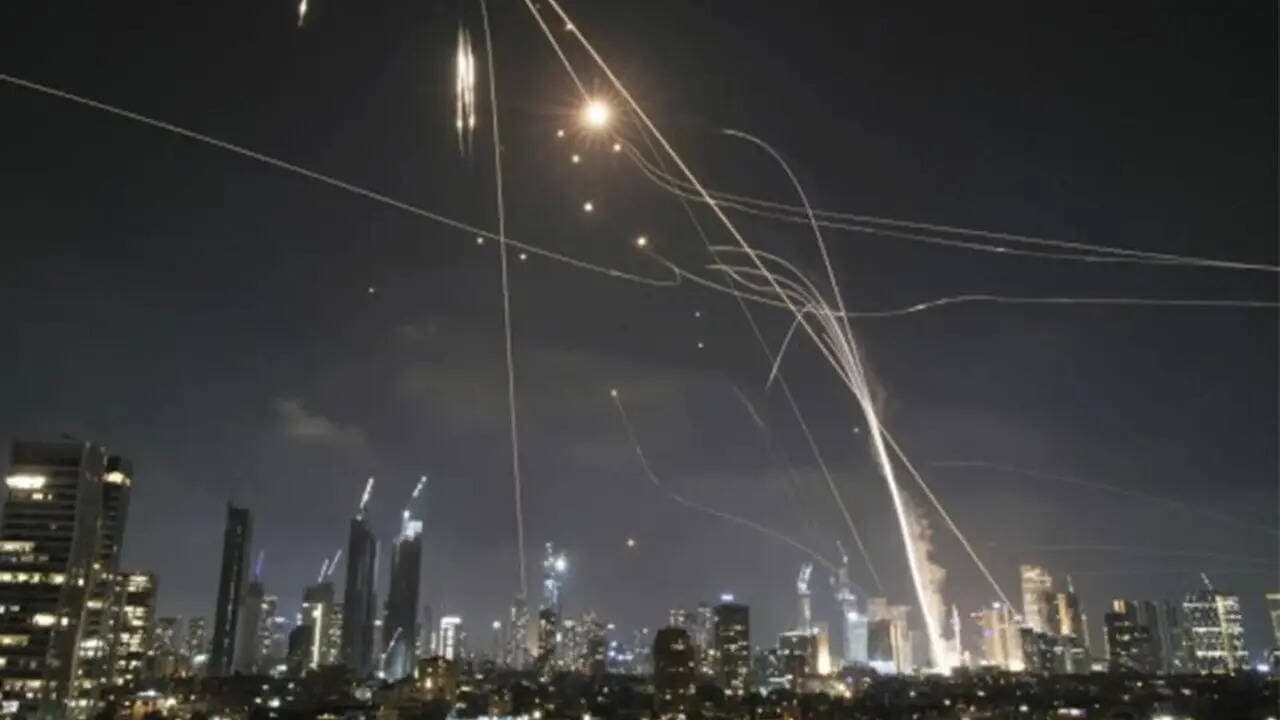
New Delhi warns that the 100-day-old war in West Asia has become a “matter of utmost concern,” as fresh airstrikes and missile exchanges threaten to destabilize the global energy supply.
The fragile truce in West Asia has effectively shattered. As Israel and Iran trade fire in a sharp military escalation, New Delhi has stepped forward with a blunt, urgent appeal for restraint. For India, the conflict—now entering its 100th day—is no longer just a localized border dispute; it is a direct threat to the global economy and the safety of thousands of Indian nationals living in the line of fire.
The Ministry of External Affairs (MEA) issued a firm statement on Monday, describing the renewed hostility as a "matter of utmost concern" for the international community. Beyond the immediate humanitarian toll, the government highlighted the "debilitating impact" the violence is wreaking on global markets and energy supplies, both of which are lifelines for the Indian economy.
Safety Advisories for Nationals
With the situation rapidly deteriorating, Indian diplomatic missions have moved from monitoring to proactive protection. The Indian Embassy in Israel has issued a strict advisory, urging citizens to stay tethered to designated shelters and avoid non-essential movement. The message is clear: exercise "utmost caution" and remain vigilant of local alerts from the Home Front Command.
Simultaneously, the Indian Embassy in Tehran has taken a more severe stance, advising Indian nationals to avoid travel to Iran entirely and urging those already present to consider leaving the country. These advisories come in the wake of multi-city kinetic engagements, where airstrikes on strategic installations and heavy missile salvos have replaced diplomatic channels.
The Bigger Picture: Why It Matters
This is a high-stakes moment for Indian diplomacy. New Delhi has long maintained a delicate balancing act in West Asia, cultivating deep strategic partnerships with both Israel and key regional players. However, this latest flare-up—which saw Iranian missiles targeting Israeli soil following strikes on Iranian petrochemical infrastructure—threatens that neutrality.
The economic implications are equally grim. When the Red Sea becomes a zone of maritime aggression, as seen by the recent Houthi threats against shipping, it isn't just a regional headache; it is an inflationary pressure point for India. With fuel prices and logistics costs sensitive to every explosion in the region, New Delhi’s call for a return to the negotiating table is as much about national interest as it is about global peace.
A Fragile Path Forward
The collapse of the ceasefire, which had held since April, leaves the region in a dangerous vacuum. With reports of airstrikes hitting Beirut and retaliatory attacks in Iran, the window for de-escalation is narrowing. India’s stance remains consistent: protect civilians, avoid further kinetic escalation, and prioritize the diplomatic solutions that were supposedly on the table before this latest cycle of violence began. As the world watches, New Delhi is signaling that the cost of inaction is becoming too high for any nation to bear.
World Desk at PoliticalPedia covers global affairs for an Indian audience in English and Hindi.