From Tehran to Tel Aviv: India Pushes for Calm as Middle East Conflict Spirals
‘Matter of utmost concern’: India urges de-escalation as Israel-Iran exchange fire
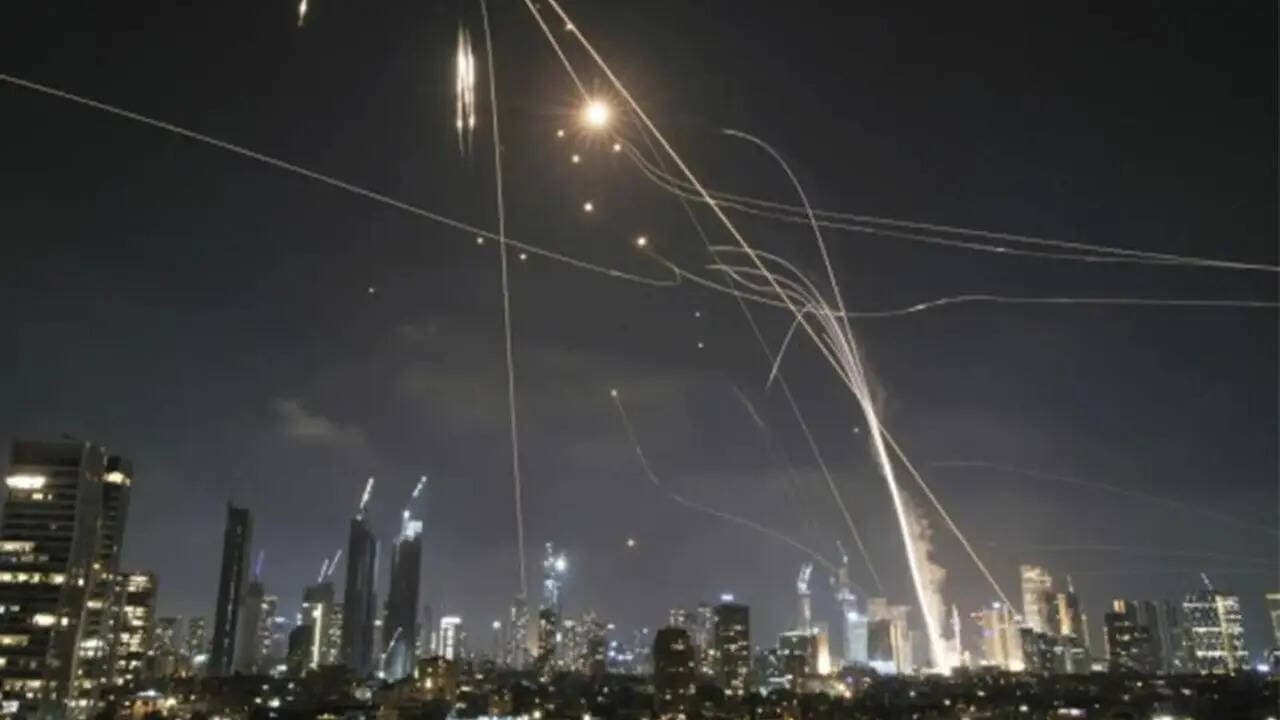
As missile exchanges and airstrikes redefine the regional landscape, New Delhi steps up safety protocols for its citizens while calling for a return to the negotiating table.
The flames in the Middle East are climbing higher, and for New Delhi, the stakes have moved beyond the abstract. As Israel and Iran trade fire in a significant escalation, the Ministry of External Affairs (MEA) has issued a stern, urgent call for immediate de-escalation. Having watched the broader regional conflict grind on for over 100 days, Indian diplomats are now grappling with the dual challenge of protecting its diaspora and navigating the tremors this instability is sending through the global economy.
The MEA’s statement on Monday underscored a growing sense of alarm, labeling the current situation a "matter of utmost concern" for the global community. With energy supplies and international trade routes already feeling the heat, the Indian government has urged all parties to step back from the brink, prioritize civilian safety, and return to the diplomatic negotiations that have been stalled for too long.
Safety First: The Diaspora on Alert
As the security situation deteriorates, Indian missions in the region have moved into high-gear. The embassy in Tehran has issued a high-priority advisory, bluntly telling Indian citizens to avoid travel to Iran and advising those currently in the country to pack their bags and leave immediately.
In Israel, the tone is one of guarded vigilance. The Indian Embassy has asked nationals to exercise "utmost caution," urging them to keep close to designated shelters and avoid unnecessary movement. By mandating that citizens remain in constant touch with the mission and follow the directives of the local Home Front Command, the government is signalling that the window for normalcy in the region is rapidly closing.
Why it Matters: The Bigger Picture
The broadening theatre of this conflict is testing the limits of international diplomacy. When a region that sits on the world’s primary energy valves descends into open confrontation, the ripple effects are felt instantly in kitchens and boardrooms from Mumbai to London. For India, a nation deeply integrated into the global economy, this isn't just a regional security issue—it's a direct threat to the stability of energy imports and supply chain health.
The current escalation—marked by reports of drone attacks, missile strikes, and maritime tensions—suggests a shift in the nature of this conflict. While global powers and regional players trade accusations, the risk of miscalculation remains dangerously high. India’s push for restraint is a calculated attempt to prevent this powder keg from igniting a wider, uncontainable war that would leave no country untouched.
World Desk at PoliticalPedia covers global affairs for an Indian audience in English and Hindi.