West Asia conflict forces power plants to rely on spot-market gas purchases
West Asia conflict: Spot market gas purchases by power plants jump over 300%
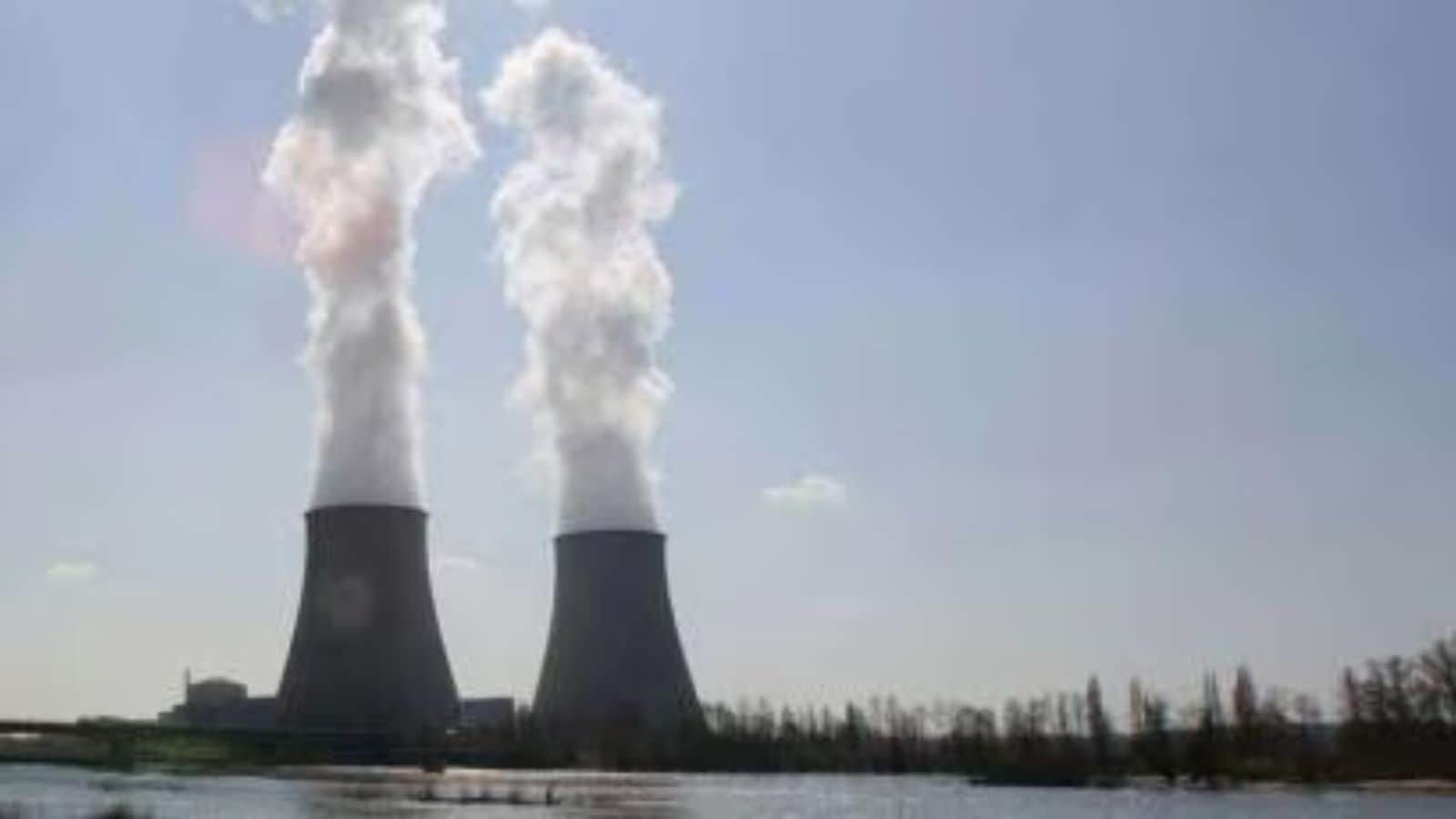
As geopolitical tensions disrupt long-term supply chains, India’s gas-based power sector pivots to the spot market to bridge the widening energy deficit.
The deepening instability in West Asia is causing immediate ripples across India’s energy infrastructure, forcing power generators to overhaul their fuel procurement strategies. With long-term imported LNG contracts failing to materialize due to the ongoing conflict, gas-based power plants have been forced to turn to the spot market at an unprecedented rate. Between April 1 and May 26, these entities executed spot-market purchases totaling over 4.4 million MMBtu—a staggering 336.5% increase compared to the same period in 2025.
Data from the Central Electricity Authority (CEA) reveals the severity of the supply squeeze. While India maintains 16 gigawatts (GW) of gas-grid connected capacity, not a single unit received imported LNG through long-term arrangements throughout the month of April. Domestic gas availability has provided little relief; while 30.18 million standard cubic metres per day (MMSCMD) was allocated to these plants, actual receipts languished at a mere 4.33 MMSCMD. This shortfall disproportionately impacted private-sector facilities, which received only a fraction of their requirements.
The vital role of gas in peak demand management
Although gas-fired electricity represents a modest portion of India’s overall energy mix, it serves as a critical buffer during peak evening hours when solar energy production ceases. With heatwaves driving up demand, the industry typically relies on approximately 10 GW of gas-fired capacity to prevent load shedding. The disruption of traditional supply routes has forced generators to pay a premium on the Indian Gas Exchange (IGX) to keep these plants operational, shifting away from the more stable, long-term contracts that defined the market as recently as early 2025.
The surge in spot-market activity is both rapid and historic. For comparison, the volume of natural gas procured by power entities this spring is nearly 140 times the levels recorded in 2023. Even as fuel prices remain elevated, the necessity of maintaining grid stability during the summer months has left generators with little choice but to absorb the costs of spot-market purchases to fill the void left by international supply chain fractures.
Policy priorities during the shortage
The government’s decision to prioritize certain sectors for limited domestic gas supplies has further complicated the operational landscape for private power producers. As geopolitical volatility in West Asia continues to threaten the predictability of LNG imports, analysts note that the current reliance on spot-market procurement is becoming a costly, yet unavoidable, "new normal." While the transition highlights the resilience of the IGX in providing a safety valve for power producers, it simultaneously underscores the vulnerability of India’s energy security to distant, volatile conflicts.
The PoliticalPedia Editorial Desk brings verified, sourced political news and analysis from across India.