Tata Steel Faces Power Hurdles: UK Green Transition Project Stares at Six-Month Delay
Tata Steel says U.K. plant’s low-emission project facing delays in securing electricity access
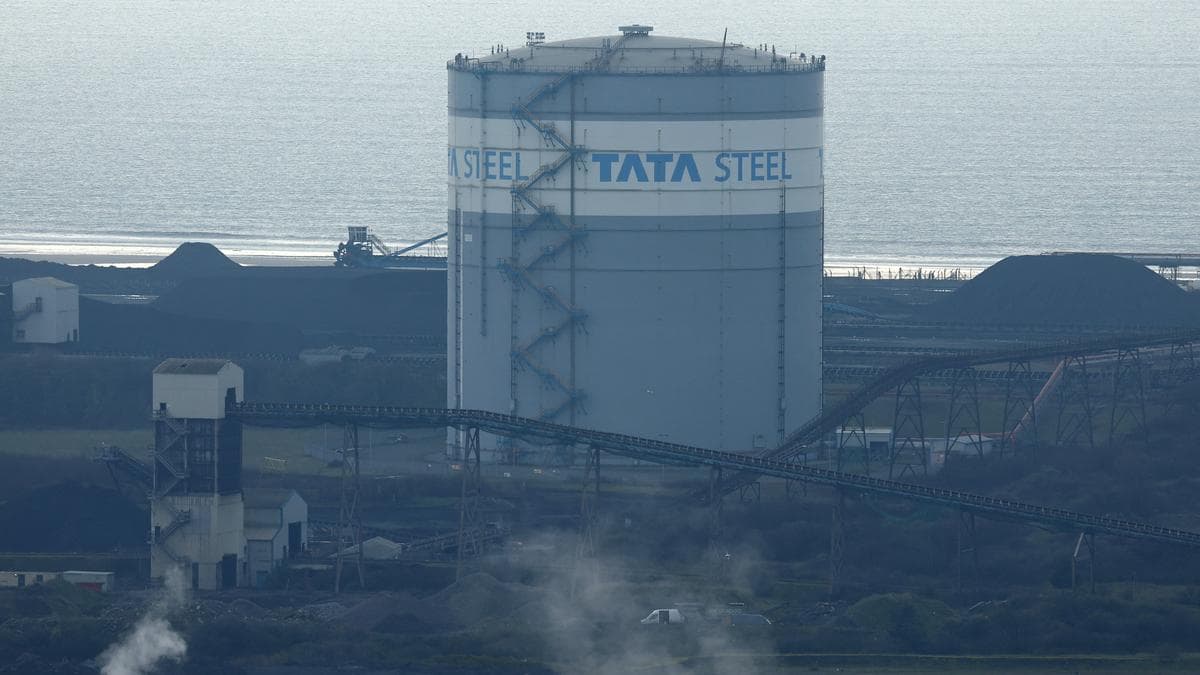
The £1.25 billion decarbonisation initiative at Port Talbot hits a snag as infrastructure connectivity issues force a potential timeline shift.
The ambitious transition toward sustainable manufacturing at Tata Steel’s Port Talbot site in the United Kingdom has encountered a significant roadblock. The company, which is currently executing the nation’s largest low-carbon electric arc furnace (EAF) project, has confirmed that securing the necessary high-voltage electricity access is proving more difficult than anticipated. As a result, the project—a cornerstone of the steel major's global environmental strategy—may face a delay of six to eight months beyond its original 2027-2028 operational target.
Infrastructure Bottlenecks
Koushik Chatterjee, Executive Director and Chief Financial Officer at Tata Steel, revealed that the National Grid has formally alerted the company to delays in its connectivity project. The transition to EAF technology requires a massive surge in power capacity to replace the now-shuttered blast furnace plant, which historically relied on different energy inputs. While the company is actively collaborating with the Electricity System Operator (ESO) and the National Grid to resolve these infrastructure gaps, the delay underscores the wider challenges faced by industrial players attempting to scale green energy operations in the current economic landscape.
A High-Stakes Decarbonisation Move
The project, backed by a £500 million investment from the U.K. government, is designed to reduce the site's annual CO2 emissions by approximately 5 million tonnes, representing a 90% reduction in its carbon footprint. For the steel company, this is not merely a logistical upgrade but a critical pivot toward modern, climate-conscious production. Despite the power-related setback, management maintains that progress continues in other areas, noting that major site demolition work is complete and the fabrication of essential equipment remains on track.
Operational Resilience Amid Challenges
The infrastructure struggle coincides with recent operational pressures at the Port Talbot facility. On June 3, 2026, a fire incident was reported at the project site. Tata Steel confirmed that all personnel were evacuated safely and accounted for, ensuring no loss of life during the emergency. While the company is working alongside U.K. authorities to mitigate the impact of the grid delays, the fire incident serves as an added layer of complexity for the project team as they navigate the revised construction schedules.
Ultimately, the delay highlights the delicate balance between rapid industrial decarbonisation and the readiness of national power grids. As the company continues to refine its timelines in consultation with government stakeholders, the project remains a focal point for investors watching how legacy manufacturers navigate the transition to green energy. Whether this delay ripples into the broader supply chain or remains an isolated infrastructure hurdle will likely be a point of discussion in future updates from the company.
The PoliticalPedia Editorial Desk brings verified, sourced political news and analysis from across India.