Bengaluru’s New Rs 100-Crore AI Centre to Lead India’s Hunt for Hidden Mineral Wealth
Rs 100-Crore AI Centre To Lead India’s Hunt For Hidden Mineral Wealth | Exclusive
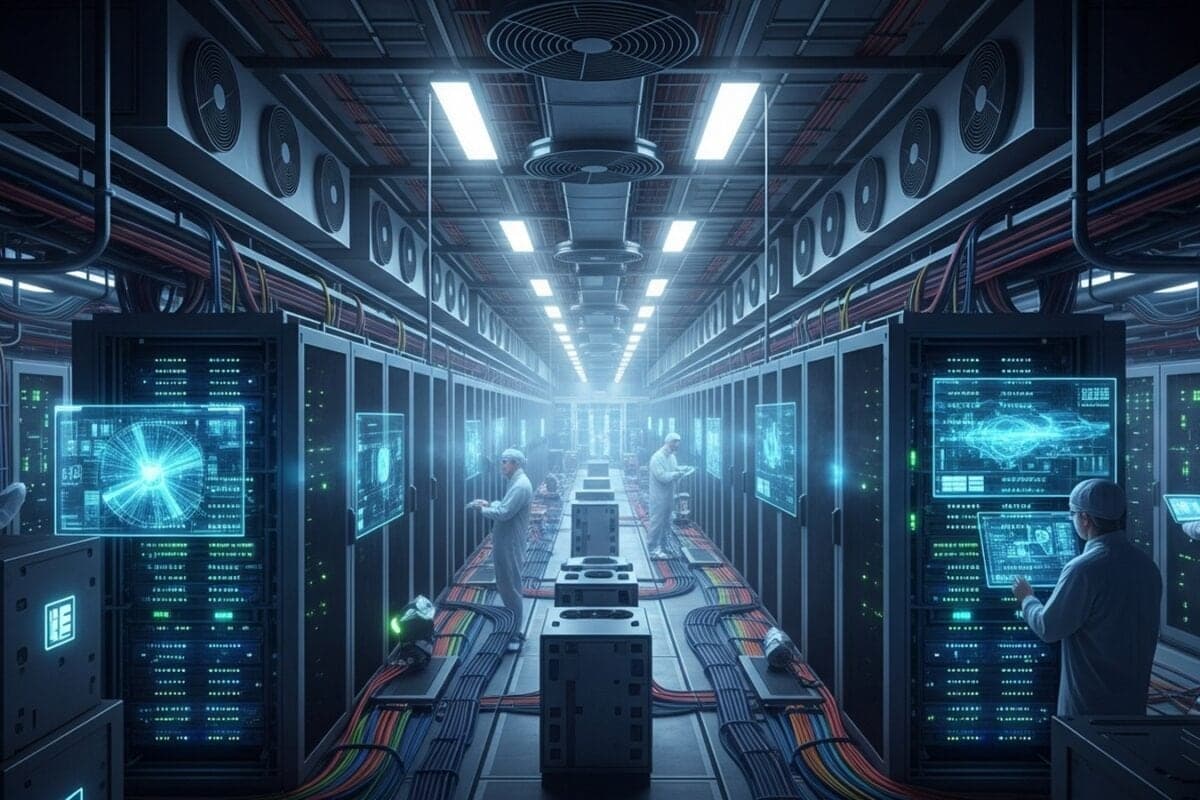
The Geological Survey of India is launching a high-tech facility to fast-track the discovery of deep-seated minerals crucial for the nation’s energy and defence sectors.
India is set to overhaul its approach to resource extraction by integrating cutting-edge technology into one of its most traditional industrial sectors. The Geological Survey of India (GSI) has announced plans to establish a Rs 100-crore Data Processing, Interpretation and Integration Centre (DPIIC) in Bengaluru. This facility is designed to act as the primary nerve centre for the nation's efforts to locate critical and strategic mineral reserves, moving beyond legacy mapping techniques to meet modern industrial demands.
Modernizing the Search for Resources
For decades, the discovery of mineral belts across India relied on physical field studies, ground-level surveys, and extensive drilling. While these conventional methods were sufficient for surface-level findings, they are increasingly ill-equipped for locating the "concealed" or deep-seated deposits that represent the next frontier of mining. As global competition for minerals essential to clean energy, semiconductors, and defence production intensifies, the GSI aims to use this new centre to bridge the gap between historical data and future discoveries.
The DPIIC will serve as a massive data repository, aggregating decades of geological, geophysical, geochemical, and satellite information. By applying machine learning and advanced analytical tools to this historical archive, scientists expect to generate highly accurate predictive models. These models will produce prospectivity maps, effectively narrowing down potential sites before the government commits to the high costs associated with physical field operations.
Data-Driven Strategy for Mineral Security
The scale of this initiative is significant, with the centre tasked with analysing mineral-potential regions spanning nearly 8.5 lakh square kilometres over the next five years. The goal is to move from passive data storage to actionable intelligence, improving exploration success rates and accelerating the transition of prospective zones into viable mining blocks. This shift is particularly urgent as the country pushes toward aggressive targets for electric vehicle adoption and renewable energy infrastructure.
By centralising technical expertise in Bengaluru, the GSI hopes to de-risk the exploration process. Rather than relying on the trial-and-error nature of traditional prospecting, the new centre will provide a scientific framework to identify high-probability zones. This transition marks a departure from reliance on intuition and physical presence toward a model where technology identifies where to dig, ensuring that India’s vast mineral wealth is tapped more efficiently and strategically.
The PoliticalPedia Editorial Desk brings verified, sourced political news and analysis from across India.