US President Trump’s Ultimatum: A High-Stakes Choice for Iran Between Deal or Destruction
‘Will work with Iran to retrieve, destroy its enriched uranium’: US President Trump makes big statement
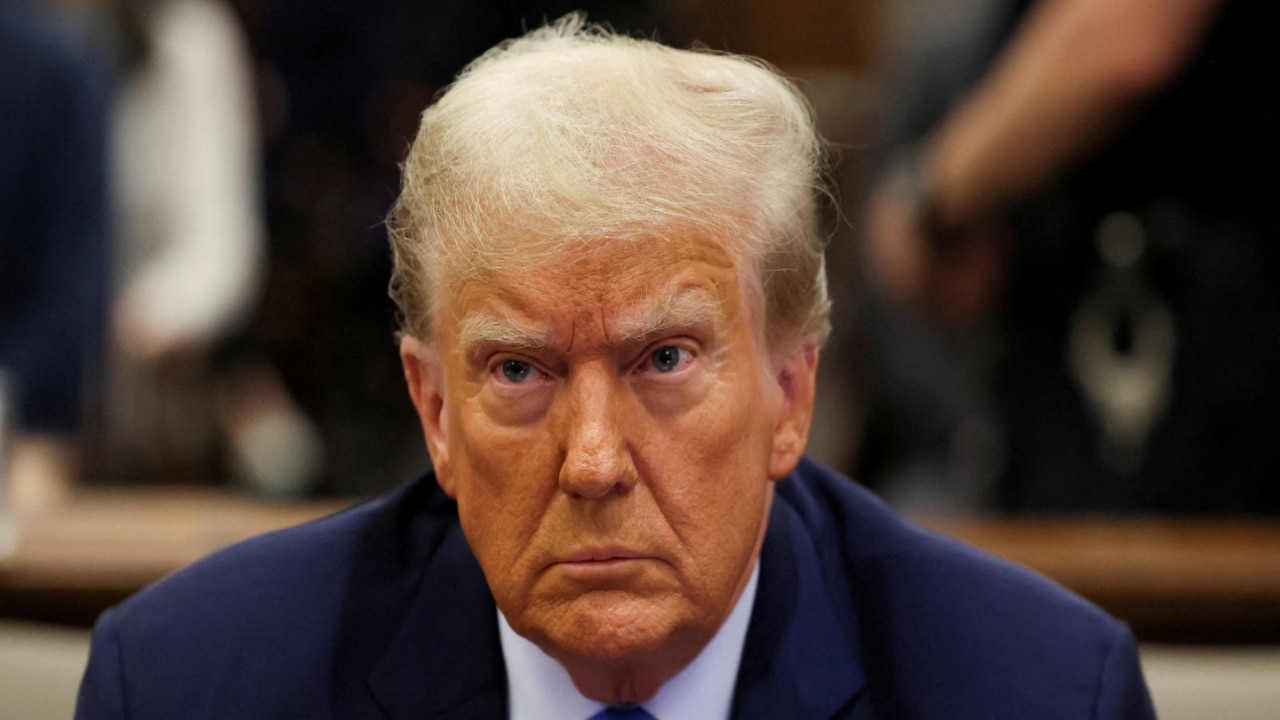
As the three-month conflict in the Middle East reaches a critical juncture, Washington signals a final push to neutralise Tehran's nuclear capabilities.
The three-month-old war between the United States and Iran has reached a volatile inflection point. In a wide-ranging interview on NBC’s Meet the Press, US President Donald Trump laid out a stark ultimatum: Tehran can either cooperate in a supervised programme to destroy its highly enriched uranium or face a military escalation so severe it leaves them with nothing to negotiate.
For now, the White House maintains that while the two nations are "very close" to a potential agreement, no existing sanctions will be lifted and no frozen assets will be released until a final, ironclad peace deal is secured. Trump’s rhetoric has shifted between the promise of a collaborative, managed exit from the nuclear race and the threat of total military annihilation. He has openly described a potential partnership where US forces would oversee the extraction and destruction of fissile material, either on-site or at a secure off-site location, using American equipment.
The Nuclear Brinksmanship
The geopolitical stakes remain immense. Despite Trump’s claims of military success, intelligence assessments from the BBC and other observers suggest that previous US strikes have not fully dismantled Iran's nuclear infrastructure. The President is now pushing for additional, airtight provisions to ensure that Tehran cannot execute an "end run" around any future agreement.
The messaging from Washington is as much about domestic optics as it is about regional security. While the President claims he is ready to engage if Tehran "behaves," he has simultaneously defended aggressive social media rhetoric regarding the potential destruction of an entire civilisation. The situation is further complicated by conflicting reports on the ground; while some media sources suggest the Iranian Supreme Leader is active in backchannel negotiations, others report on the continued confusion surrounding the Strait of Hormuz and ongoing skirmishes in Lebanon.
Why it Matters
This development signals a shift from broad military engagement to a laser-focused objective: the permanent removal of Iran’s nuclear threshold. For New Delhi and the broader Asian markets, the uncertainty in the Gulf is a primary concern. A protracted conflict or a failed deal threatens to spike energy prices and disrupt vital trade routes that are already under stress.
The pattern here is clear: the administration is leveraging the current military momentum to force a long-term strategic concession. However, the disconnect between the President’s optimistic claims of a "deal" and the reality of the stalled, highly technical talks suggests that the path to peace remains fragile. Whether this is a genuine breakthrough or merely the prelude to a final, harsher phase of the war depends entirely on the willingness of Tehran to concede its nuclear ambitions in the face of an existential threat.
World Desk at PoliticalPedia covers global affairs for an Indian audience in English and Hindi.