Trump Urges Restraint: 'Very Close' to Iran Deal as Middle East Tensions Spike
Trump says ‘very close to final deal’ with Iran, urges Netanyahu not to retaliate against Iranian missile
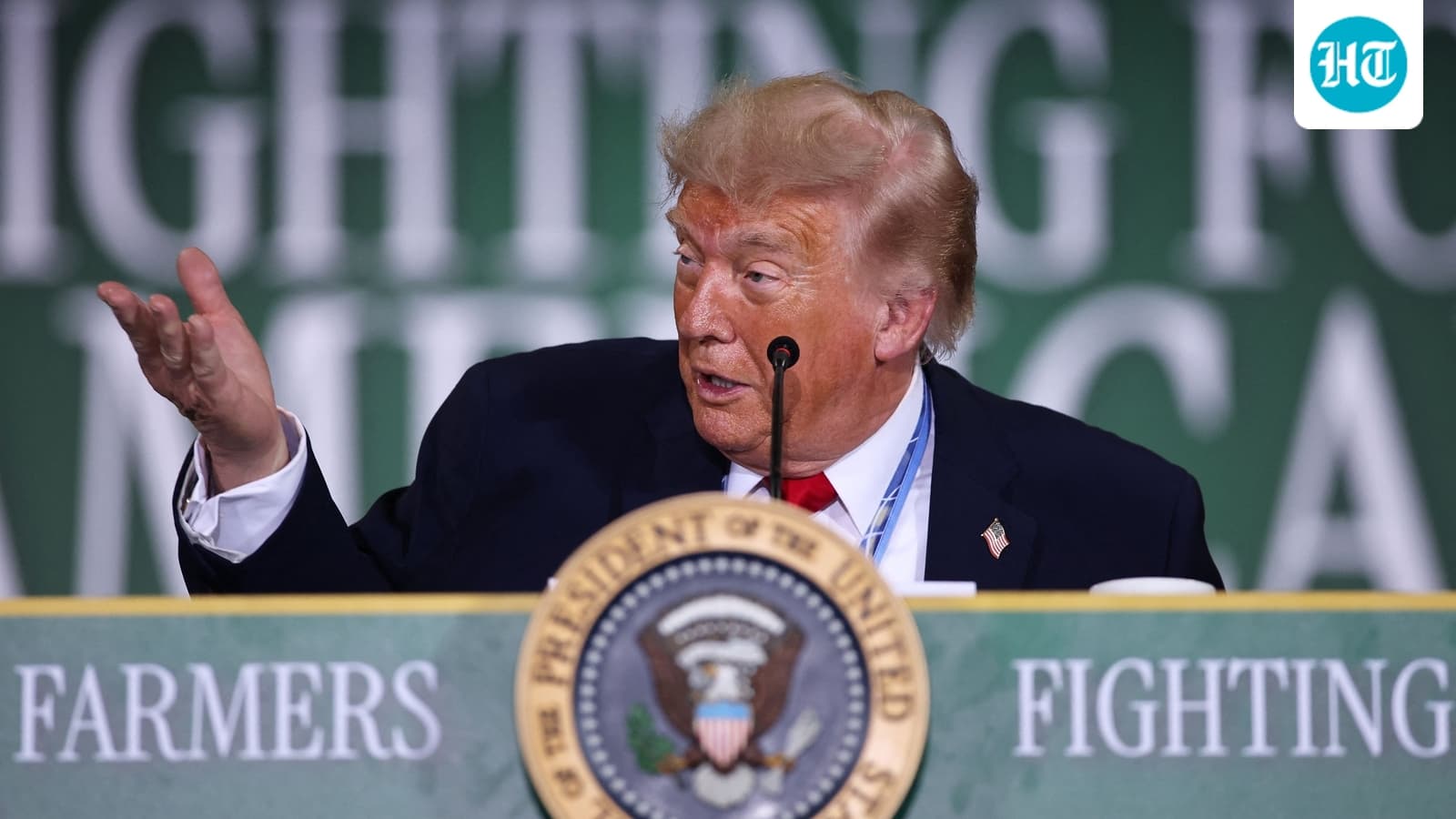
Former US President Donald Trump is pushing for an immediate de-escalation in the Middle East, pressuring Israel to forgo retaliation following a fresh Iranian missile barrage.
The fragile stability of the Middle East faces another sharp test after Iran launched a series of missile strikes on Israel, citing retaliation for recent Israeli operations in Beirut. As global markets and diplomats brace for the potential of a widening conflict, Donald Trump has injected himself into the volatile equation. In a series of public remarks, the former US President claimed to be on the verge of a "final deal" with Tehran, warning that an Israeli counter-strike could derail the entire diplomatic process.
Trump’s messaging was direct: he signaled he would personally reach out to Israeli Prime Minister Benjamin Netanyahu to advise against a military response. "I am going to call Bibi right now and tell him not to retaliate," Trump said, emphasizing that both sides had already "had their fun." According to reports, a telephonic conversation between the two leaders took place shortly after these comments, though specific details of the discussion remain under wraps.
The Push for a Deal
The urgency behind Trump’s intervention stems from his assertion that a long-sought agreement with Iran is nearly complete. He suggested that, were it not for the current cycle of violence, a formal accord could be inked as early as this coming week. By urging restraint, Trump is attempting to insulate these high-stakes negotiations from the immediate fallout of the missile fire, suggesting that a retaliatory strike would only lock the region into a cycle of hostility that has persisted for decades.
For Tehran, the latest missile barrage served as a pointed "warning" following strikes on Beirut’s southern suburbs. The Islamic Revolutionary Guard Corps (IRGC) has made it clear that further Israeli aggression would be met with even more extensive operations. This tit-for-tat dynamic has left international observers concerned that the fragile ceasefire established in April is effectively fraying at the edges.
Why it matters
The regional fallout here carries significant economic and geopolitical weight. When the Middle East moves from shadow-war rhetoric to direct missile exchanges, global energy markets typically react with volatility, and the prospect of a "final deal" becomes exponentially harder to sustain. Trump’s intervention is a strategic gamble: he is betting that personal diplomacy and the promise of an economic or political off-ramp can freeze a military escalation that neither side may actually want to see spiral into an all-out regional war. By framing the conflict as a cycle of "3,000 years" of history that needs to stop, he is positioning himself as the only power broker capable of breaking the inertia.
The coming days will reveal whether this behind-the-scenes pressure holds any sway over Netanyahu’s cabinet. With the IRGC threatening wider strikes and the Israeli security establishment under pressure to project strength, the window for a peaceful, deal-driven resolution is narrowing. Whether these negotiations survive the current hostilities will likely determine the trajectory of security in the region for the remainder of the year.
Business Desk at PoliticalPedia covers economy & markets for an Indian audience in English and Hindi.