The April truce shatters: Iran launches major missile assault on Israel after Beirut strike
Iran strikes Israel in first attack since April truce; regional airspace restrictions widen
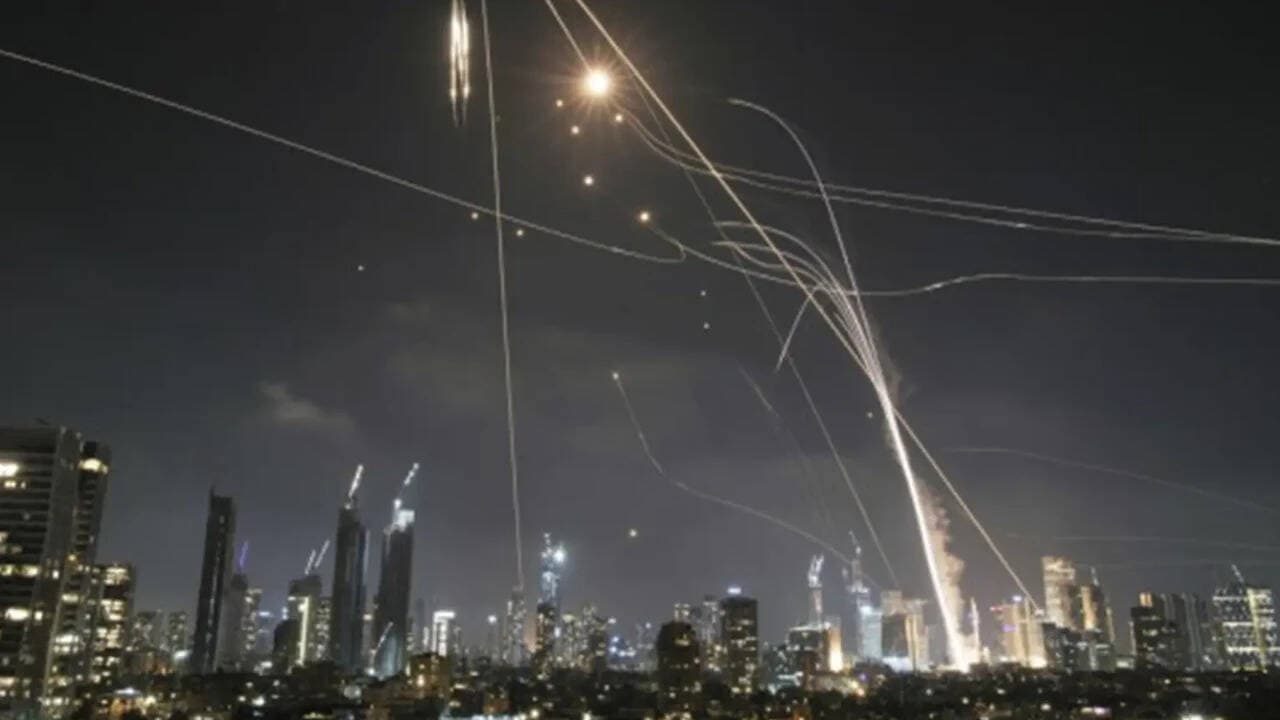
The two-month-old regional ceasefire has collapsed as fresh waves of ballistic missiles force thousands into shelters, marking a dangerous new chapter in the conflict.
The fragile quiet that descended across the Middle East on April 8 has been violently upended. On Sunday, the night sky over northern and central Israel—including Haifa, Caesarea, and Hadera—lit up with the streaks of ballistic missiles as Iran launched its first direct attack on the country since the truce took hold. The barrage, which the Israel Defense Forces (IDF) described as coming in multiple waves, triggered widespread air raid sirens and forced hundreds of thousands of residents to scramble into protected bomb shelters.
The escalation followed an Israeli airstrike earlier in the day on the Dahiyeh district in Beirut, a known Hezbollah stronghold. Israeli officials stated the strike targeted a militant command centre in response to ongoing rocket and drone attacks from the group on northern Israeli communities. While the IDF confirmed they intercepted incoming threats, the sheer scale of the Iranian response signals that the rules of engagement in this shadow war have fundamentally shifted.
A retaliatory cycle
Tehran’s response was swift and deliberate. The Islamic Revolutionary Guard Corps (IRGC) publicly labelled the operation a "warning," citing the Beirut strike as a "red line" violation. Iranian officials invoked Article 51 of the UN Charter, framing the missile launches as a defensive measure. However, the rhetoric coming out of the IRGC was pointed: they warned that any further Israeli military expansion in Lebanon or retaliation against Iranian soil would invite "more crushing and regretful blows."
On the ground, the impact was immediate. While the Magen David Adom emergency service reported no direct casualties from the missiles themselves, several people were injured in the frantic rush to reach safety. The military remains on high alert; Lieutenant General Eyal Zamir has vowed that Israel will strike back with force "as soon as the green light is given," leaving the region holding its breath for the next phase of the conflict.
Why it matters
The collapse of the April ceasefire is more than just a temporary breakdown in hostilities; it exposes the volatility of a regional peace built on precarious negotiations. For weeks, talks aimed at turning the truce into a permanent settlement have stalled over core grievances—sanctions relief, the status of frozen assets, and the integration of the Lebanese front into wider security arrangements.
By tying the fate of Hezbollah’s infrastructure in Beirut to its own direct confrontation with Israel, Iran has signaled that it no longer views these as separate conflicts. This "unity of fronts" strategy risks dragging the entire region into a broader, uncontrollable war. With airspace across Iran, Iraq, Syria, and Israel facing severe restrictions, the economic and logistical isolation of the region is deepening, further diminishing the window for a diplomatic off-ramp.
Politics Desk at PoliticalPedia covers parties & elections for an Indian audience in English and Hindi.